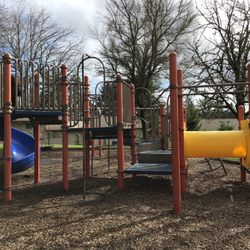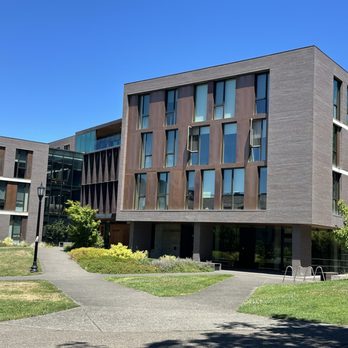
Reed College Photos
You might also consider
More like Reed College
Recommended Reviews - Reed College
Start your review...

Reviews With Photos
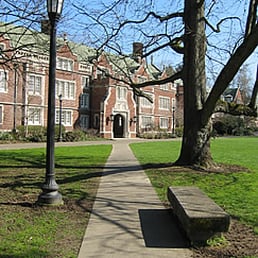
Reed College is a small (around 1300 students in total), Liberal Arts University in beautiful Portland, Oregon on the West Coast of the United States. There are no fraternities or sororities, and no competitive, organised sports, except those the students organised themselves because of interest (there was a mixed rugby team) I was at Reed quite some time ago, when I was 18-20. The following year I went on the Junior Year Abroad programme to Munich. It was short, and a long time ago. However, I've done my research, and found that Reed's ethos and atmosphere haven't changed as much as you might think in all that time. In fact, I didn't finally get my degree from Reed; I got it from Kingston University. Part time. In the evenings. And I'm not talking Oxford or Cambridge here. The Good ~~~~~~~~~~~~~~~~~~~~~~~~~~~~~~~~~~~~~~~~ We were ALL different. For once, I found liking fantasy, '70's music and reading was not bizarre. Joy!! Being smart wasn't a crime. Nor was being disillusioned with school, and indeed with systems in general. Cool! No-one TOLD you what to do! There were no grades - OK, that's not strictly true. You got grades, but they didn't tell you what they were unless (a) you asked; or (b) they were really bad (below a C). They only started giving grades, I'm told, because Reed students were having a hard time getting into grad school without them. The three rules of dorm life (at the time) were (1) No Pets; (2) No firearms; and (3) No walking on the roof. The no walking on the roof rule was because of the hugely expensive roof tiles on the old dorm block. Therefore, we all said we were going to take our dog to the roof and shoot it. Of course, no-one (to my knowledge) ever did it. The campus was LOVELY. The Cross Canyon area was simply gorgeous - a lake cum stream (which was once dammed by a beaver). There are both old, neo gothic buildings and newer, post-modern buildings. It's situated just opposite the Rhododendron Gardens. Not only were the Gardens stunning in spring, but they did free, open air Shakespeare plays, along with other events. Hmmmclubs and societies - well, I belonged to the Paul Drake fan club. This consisted of a bunch of people gathering around the telly at noon to watch Perry Mason and eat popcorn. The clubs were, as you may gatherunusual. There was a Republican Club. It had eight members. I didn't belong to that. I belonged to the MLLL (pronounced Mill) - the music listening and lending library (they still have one). This was a tiny room with pathetically broken furniture, where you could listen to music, and read Science Fiction and comic books. We had unusual clubs. Reed has an excellent academic reputation, both in liberal arts and the sciences. There are modern science and lecture facilities, and a renowned and committed staff. The Bad - or Why didn't you finish there ~~~~~~~~~~~~~~~~~~~~~~~~~~~~~~~~~~~~~~~~ It was the competition, and most of all, the POLITICS. First, let's look at competition. It wasn't like in high school. Since grades weren't publicised, that wasn't the issue. It was everything else. When did you finish your essay? How many pages? How long did you spend in the library? How many drugs did you take? What got me was the politics. One day, and I'm not making this up, there was a 'protest anything you want protest.' Of course, the unspoken caveat was 'so long as it's politically correct.' Good god. I thought about protesting constipation, but I was too stuck up (ha ha). Common sense went out the window - even I, at 18 or 19 could see that. ~~~~~~~~~~~~~~~~~~~~~~~~~~~~~~~~~~~~~~~~ My Recommendation ~~~~~~~~~~~~~~~~~~~~~~~~~~~~~~~~~~~~~~~~ I am going to repeat my disclaimer - my experience was in the mid-eighties. Not the mid-nineties or 2000. What happened to and with me may NOT happen to you or your children, nephews, nieces or whatever. It is apparent from conversations I've had with people still in Oregon, and from the alumni magazine I still get, and from the website that the atmosphere at Reed is not entirely dissimilar to its reputation and to what it was when I was there. However, not everyone is me. Given that: If you have a son or daughter (or you yourself) who is self disciplined, a bit of a rebel (in the best possible way - no cheerleaders, that kind of thing), academic, willing to work hard WITHOUT external motivation and, most importantly, basically happy within him or herself, then Reed is a great school. Academically, it is superb. The atmosphere is (was) unlike anything he or she will have experienced in high school. I'm glad I went. I'm sorry I wasn't ready for it at the time. But I wasn't. So dropping out was the best thing for me. I still get the Reed Alumni magazine, and Reed is clearly much as it was (though there are more buildings) back then. In the 'where are they now' sections, you'll find plenty of folks in far flung places saving rain forests and the like. There are odd names aplenty (you know
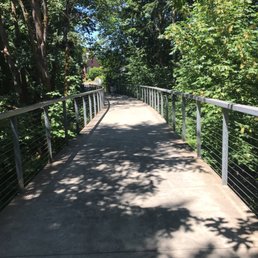
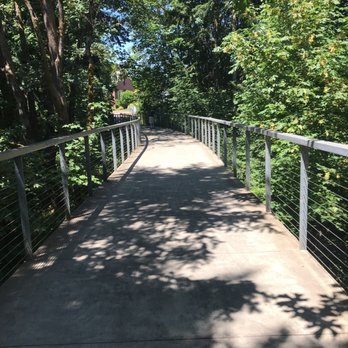
Our Summer Intercultural Institute is held here on campus annually in July. Sitka, Aspen & Bidwell dorms have AC which is a lifesaver with climate change. The campus is stunningly beautiful reminiscent of my summer at Oxford in England. The Commons food is organic and the menu varies daily; prepared by talented chefs. Wear comfortable walking shoes and your Fitbit to log your 10k steps over the suspension bridge daily.
This place is very convenient to Gigantic Brewing and Hip Chicks Do Wine it is a great place to walk your dog around if you are in the area. IF you are interested: Park in the north parking lot on Steele and then cross the pedestrian bridge and you will find an awesome open space to walk your dog. It's pretty low key, you may cross a person with their dog off leash but most dogs keep to themselves and there aren't many people who know about this area. Check it out if you can! read more
Attended a 5 day conference here. The dorms are a nightmare, they didn't clean the restrooms for 4 days and they weren't cleaned well when they did clean them. There is no ventilation in the dorms and the bathrooms are ancient with small showers. I'm fairly short and the shower heads were too short for me and there was no water pressure. The bathroom lights are on timers so are prone to turning off mid shower but the switch is outside the room so be prepared for a pitch black shower. The Vollum building also has no ventilation and seems to be filled with mold as every time I go into it I end up with bad allergies that clear up as soon as I leave the building. It would be a great setting for an episode of Grimm. read more
9 years ago
I was able to attend the Reed College Nuclear Reactor for Atlas Obscura Day. A day of discovery and learning. First of all. I had no idea there was a nuclear reactor at Reed College. The Reed College Reactor is a TRIGA Mark I reactor at the bottom of a 25-foot-deep tank. It uses zirconium hydride/uranium hydride fuel elements in a circular grid array. The uranium fuel is enriched to 20 percent uranium-235. The reactor is surrounded by a graphite ring which minimizes neutron leakage by reflecting neutrons back into the core. Second: For all those that just freaked out. Calm down! This reactor is so small that even if it lost all power to the emergency shut off protocols. AND All the water from its 25' cooling pool were to magically disappear. The reactor at Full Power still wouldn't produce enough power to cause a core meltdown. This reactor at best could power about 2 dozen light bulbs. They are using it purely for science. You can get the same radioactive results from a small reactor as you can from a big dangerous one. There are no pictures allowed. Inside or out. Especially inside. After a quick briefing about security and respect. We we're taken to a top secret bunker. A few more security protocols and a quick look into the camera, our guide opened the door. At this point, all my end of world scenarios came into play. I was relived to see all the people inside wearing street clothes. There's a whimsical painting about nuclear power on the wall inside the first security door. After making it into the second hallway, we could see the reactor core room. The hallway was full of pics from when the reactor was first in use. Very cool. We we're given a tour of both the reactor core room and the control room. The Core. Just a big ole research room with a 25' deep crystal clear pool of water kept warm by a Nuclear Reactor. We learned many things about the facility and the science of radiation. The core was brought up to full power and you could literally see the core glow with a neon blue. We also got to see a security protocol for an Emergency Shut Down of the Core called S C R A M. The term is usually cited as being an acronym for safety control rod axe man, which was supposedly coined by Enrico Fermi when the world's first nuclear reactor (CP1) was built under the spectator seating at the University of Chicago's Stagg Field. History says that the scram origin is not true but there isn't a lot of info on the first reactor beyond science notes. The tour was great. Some science was beyond me but i was able to follow along for the most part. There was a few questions that couldn't be answered for security reasons. All in all. An awesome day of discovery. I never ever thought i would ever be able to see A Nuclear Reactor Core in person. It was truly a once in a lifetime experience. read more
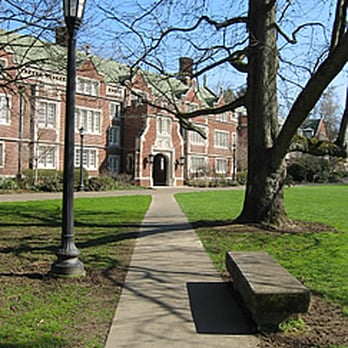
"Hey man, you got some fine college here. All the advantages: ivory walls, lecture halls, full dress balls, and you got the cruisers for the nasty stuff!" - Eddie Wilson (Eddie & The Cruisers 1983) I've been coming to Reed for over 15 years now for one reason or another. I was never a student here, but I have utilized the beautiful surroundings for many reasons over the years from shooting The Wife and my engagement photos to visiting a great friend who works here to attending the graduation of aforementioned friend. Occasionally even just to watch over the Beaver Pond. Reed never fails to impress. The grounds, the buildings, the general overall feeling of the place just oozes academia. The impressive thing is that this is a private college and they could easily be selfish and chase interlopers off the property or have heavy handed security demanding to see student ID or visitor badges, but they don't. It's like they want to share this place with all of the area. Reed College understands that it is an important part of Portland and they embrace that. read more
17 years ago
Reed College is a small (around 1300 students in total), Liberal Arts University in beautiful Portland, Oregon on the West Coast of the United States. There are no fraternities or sororities, and no competitive, organised sports, except those the students organised themselves because of interest (there was a mixed rugby team) I was at Reed quite some time ago, when I was 18-20. The following year I went on the Junior Year Abroad programme to Munich. It was short, and a long time ago. However, I've done my research, and found that Reed's ethos and atmosphere haven't changed as much as you might think in all that time. In fact, I didn't finally get my degree from Reed; I got it from Kingston University. Part time. In the evenings. And I'm not talking Oxford or Cambridge here. The Good ~~~~~~~~~~~~~~~~~~~~~~~~~~~~~~~~~~~~~~~~ We were ALL different. For once, I found liking fantasy, '70's music and reading was not bizarre. Joy!! Being smart wasn't a crime. Nor was being disillusioned with school, and indeed with systems in general. Cool! No-one TOLD you what to do! There were no grades - OK, that's not strictly true. You got grades, but they didn't tell you what they were unless (a) you asked; or (b) they were really bad (below a C). They only started giving grades, I'm told, because Reed students were having a hard time getting into grad school without them. The three rules of dorm life (at the time) were (1) No Pets; (2) No firearms; and (3) No walking on the roof. The no walking on the roof rule was because of the hugely expensive roof tiles on the old dorm block. Therefore, we all said we were going to take our dog to the roof and shoot it. Of course, no-one (to my knowledge) ever did it. The campus was LOVELY. The Cross Canyon area was simply gorgeous - a lake cum stream (which was once dammed by a beaver). There are both old, neo gothic buildings and newer, post-modern buildings. It's situated just opposite the Rhododendron Gardens. Not only were the Gardens stunning in spring, but they did free, open air Shakespeare plays, along with other events. Hmmmclubs and societies - well, I belonged to the Paul Drake fan club. This consisted of a bunch of people gathering around the telly at noon to watch Perry Mason and eat popcorn. The clubs were, as you may gatherunusual. There was a Republican Club. It had eight members. I didn't belong to that. I belonged to the MLLL (pronounced Mill) - the music listening and lending library (they still have one). This was a tiny room with pathetically broken furniture, where you could listen to music, and read Science Fiction and comic books. We had unusual clubs. Reed has an excellent academic reputation, both in liberal arts and the sciences. There are modern science and lecture facilities, and a renowned and committed staff. The Bad - or Why didn't you finish there ~~~~~~~~~~~~~~~~~~~~~~~~~~~~~~~~~~~~~~~~ It was the competition, and most of all, the POLITICS. First, let's look at competition. It wasn't like in high school. Since grades weren't publicised, that wasn't the issue. It was everything else. When did you finish your essay? How many pages? How long did you spend in the library? How many drugs did you take? What got me was the politics. One day, and I'm not making this up, there was a 'protest anything you want protest.' Of course, the unspoken caveat was 'so long as it's politically correct.' Good god. I thought about protesting constipation, but I was too stuck up (ha ha). Common sense went out the window - even I, at 18 or 19 could see that. ~~~~~~~~~~~~~~~~~~~~~~~~~~~~~~~~~~~~~~~~ My Recommendation ~~~~~~~~~~~~~~~~~~~~~~~~~~~~~~~~~~~~~~~~ I am going to repeat my disclaimer - my experience was in the mid-eighties. Not the mid-nineties or 2000. What happened to and with me may NOT happen to you or your children, nephews, nieces or whatever. It is apparent from conversations I've had with people still in Oregon, and from the alumni magazine I still get, and from the website that the atmosphere at Reed is not entirely dissimilar to its reputation and to what it was when I was there. However, not everyone is me. Given that: If you have a son or daughter (or you yourself) who is self disciplined, a bit of a rebel (in the best possible way - no cheerleaders, that kind of thing), academic, willing to work hard WITHOUT external motivation and, most importantly, basically happy within him or herself, then Reed is a great school. Academically, it is superb. The atmosphere is (was) unlike anything he or she will have experienced in high school. I'm glad I went. I'm sorry I wasn't ready for it at the time. But I wasn't. So dropping out was the best thing for me. I still get the Reed Alumni magazine, and Reed is clearly much as it was (though there are more buildings) back then. In the 'where are they now' sections, you'll find plenty of folks in far flung places saving rain forests and the like. There are odd names aplenty (you know read more
6 years ago
Pay attention to the other students who have written reviews here. Many will point out the beautiful campus and strong academics, I second those opinions. But the heart and culture of campus is different. The students are aggressive about politics, a bit entitled, there are strange ego battles over how smart you are, and dating is difficult and unsatisfying. It's expensive too. If you care about academics, you can do that at any college if you put in the effort and find the right people. Go somewhere that will support you and help you be the kind of student and person you want to be. read more
6 years ago
I have an interesting history with Reed. I initially applied to Reed as an undergraduate in 1992, and got waitlisted for admission. It was in my top ten college choices because it "fit the bill" of schools I applied to. I went with Hampshire College instead, mainly because I wanted to stay close to home on the east coast and go to college in New England. Reed was a more selective school like Amherst or Oberlin was to get into, but had a campus culture that was more like Bard, Sarah Lawrence or Hampshire's granted it just happened to be on the West Coast. In 1994, after my first year at Hampshire, I took a road trip west with some Hampshire friends to spend time in Portland for the Summer. I TOTALLY fell in love with Portland, and Oregon, and found it a relaxing and cultured place to base myself (I'm from NYC), and Portland had a pretty interesting theater & film scene, so I wanted to come back and explore it more and decided I'd take my academic leave after my second year at Hampshire and base myself in Portland for at least a year. In the Summer of 1995, after I'd finished up my second year at Hampshire, I moved out to Portland from the east coast after filing to go on academic leave for the 1995/1996 academic year from Hampshire. It was a good change of pace for me, because I'd gotten a little overworked and burnt out during my second year at Hampshire. I did a lot of work in the theater community in Portland, and did sone film projects and took classes at the Northwest Film Center in downtown Portland as well. I enjoyed living in Portland so much, I had a lot of mixed feelings about even returning back East, so I decided to re-apply to Reed as a transfer student and finish up my Bachelor's out west instead. Although I was finally accepted to Reed as a transfer student, it came with a couple of steep caveats: I'd have to have taken my second year all over again to fulfill certain Reed distribution requirements because they felt my first two years from Hampshire didn't transfer well (this is when I started to get annoyed) although I had classes with A's and B's from Amherst, SmIth & UMass/Amherst. Not to mention two years worth of glowing exceptional evaluations from my Hampshire coursework, as well as strong recommendations from Hampshire faculty. This is when I started to realize that Reed is a bit pretentious and full of itself as an academic institution, BUT, I wanted to continue to live and work in Portland, and loved my apartment in SE Portland (within commuting distance of Reed's campus; so I could've lived off-campus) and didn't want to give that up; since I'd felt my biggest complaint about Hampshire was the insularity of being forced to live on-campus for all four years (this is in fact, STILL a Hampshire requirement, exceptions are ONLY granted on a case-by-case basis if you meet certain conditions). Then, in the Winter of 1996, the financial aid award letters arrived from both Reed & Hampshire: Reed gave me the BARE minimum (worse than my financial aid package at Hampshire had been my first two years) and ALSO requiring I maintain at least one year of on-campus residency (thus losing my apartment) AND of course, take an extra year longer to get my degree. Hampshire, in contrast, upped my financial aid to nearly full tuition for my final two years, offered to help pay for a semester abroad for Field Study (I'd also just applied to a Theater Program in London for the Fall 1996 semester) & gave me a scholarship to help me pay for books and any associated expenses. Um, what would you all have done? Bye, Reed & Portland. Oh well. The saddest thing for me was that I had to give up my really cute Portland apartment. However, I was on Field Study in London (practically paying nothing to attend the British American Drama Academy) in the Fall of 1996 coming back from Oregon, and then back in Massachusetts at Hampshire by January of 1997 (and practically paying nothing to finish attending Hampshire). So, in the end, it was the right decIsion for me to make, AND I got my BA in time in four years time from Hampshire instead. Sometimes though I do engage in a bit of: "What If I'd gone to Reed.....?" read more
Our Summer Intercultural Institute is held here on campus annually in July. Sitka, Aspen & Bidwell dorms have AC which is a lifesaver with climate change. The campus is stunningly beautiful reminiscent of my summer at Oxford in England. The Commons food is organic and the menu varies daily; prepared by talented chefs. Wear comfortable walking shoes and your Fitbit to log your 10k steps over the suspension bridge daily. read more
15 years ago
I ordered the seafood cioppino and for some reason they made me read 300 pages of Bakhtin and pay a $50,000 membership fee. Place is bullshit. Never eating here again!! read more
9 years ago
I took the time to write the following review which does not violate a single Yelp requirement, yet the review did not post publicly and I wasn't notified that this would happen nor why. To Yelp moderators - please do not remove the following. If people take time to write thoughtful reviews expressing their opinions in legitimate ways, your censorship compromises the integrity of your service. Reed College is academically demanding, although insular and often depressing. A small number of Reed graduates go into medicine, law, engineering, finance. The majority go into sundry careers like computer programming, library science, freelance writing, and beer-making. But Reed is best suited for students who, out of high school, are confident they want to become academics. For anyone thinking of applying to this school, please read the Alumni Notes section of any Reed Magazine to get a flavor, and then compare with other schools. Reed's isolation and over-emphasis on intellectualism for its own sake make the place is an ivory tower. It also does little to prepare graduates for decent, well-paying jobs. Reed students who are capable, ambitious, and have significant talent and superior scores on GREs, LSATs, and MCATs, will sometimes be hindered because computer screening algorithms and admissions officers in graduate and professional schools often don't know or care that Reed has more stringent grading standards than other schools. The Reed ethos is characterized by students who have an exaggerated belief about how iconoclastic, liberal and free-thinking they are. The self-indulgent, counter-culture miasma quickly gets old. "Atheism, Communism, Free Love," after several decades now, is as stale as hard tack. Peer pressure to endorse these values and to cultivate a bohemian image also yield an irony: while Reed prides itself on being off-beat, it's not a place where one who disagrees with aspects of the Reed norm can feel comfortable. An equally good education can be obtained at a more conventional school that has more resonance with the rest of society. There are myriad alternatives for a more balanced life, for friendship, and for the development of critical thinking skills: any of the Ivy Leagues; most of the highly-ranked US News and World Report liberal arts colleges; and many state schools, some of which have liberal arts programs that try to capture the feel of life in a small college. read more
18 years ago
** Warning: Totally Biased Grad ** Be all you can be and go to Reed College. You will look upon it one day as the purest academic and intellectual experiences you've ever had. I studied at Reed from 1992-1996 as a Russian Literature major, and was amazed at the level of brilliance that surrounded me--students who were passionate to learn and teachers who were exuberant to teach! The best thing about Reed is that while most of the students are smart and cerebral, most are not the "cerebral type"--they are unconventional and diverse in their backgrounds and experience, and they have interests outside of the academic sphere. Reed is no party school and there are no fraternities or sororities. The emphasis is on learning, pure and simple, and on developing critical analysis skills for after you graduate. Reed is one of the only undergraduate schools that requires a senior year thesis project in order to graduate. It is not an "honors thesis" reserved for the top students; it is a requirement for every student. Though there are grades, they are not reported to the student unless requested. As a result of the grade de-emphasis, Reed has been untouched by the grade inflation that plagued most other schools. At Reed the average GPA is 2.9. You will work for your A or your B. The small class size at Reed is one of its best features. With the exception of one class I took while at Reed, all my classes had fewer than 20 students and most had between 6 and 10. Because there is no place to hide if you haven't done the work, students come to class prepared. The only real downside to Reed that I experienced was in terms of the racial diversity of the student body, which is unfortunately reflective of private school enrollment overall in the US. Having come from an extremely diverse public school in Boston, MA, I was admittedly surprised by this. On the other hand, I also know that Reed goes to great lengths to ensure and strengthen the diversity of its student body. Reed is quirky, and so are the people who go there. One of my favorite bits of trivia: Reed's total refusal to cooperate with U.S. News and World Report rankings. Since 1995, Reed has refused to participate in the rankings, and applications have only gone UP! Even if you don't attend, be sure to get your t-shirt emblazoned with "Communism, Atheism, Free Love," Reed's unofficial motto. Lastly, as the only undergraduate liberal arts school in the US with a student run nuclear reactor, who could resist the opportunity to study at Reed? read more
I don't really remember my time here at all, but I graduated, so I guess things went ok. Generally, people don't know where I'm talking about when I say I went to Reed. That can be embarrassing. My most embarrassing moment included when I was in grad school and talking to one of my all time academic heroes. He asked me where I went to undergrad. I said, "Reed." He asked me if that was the place in Texas. Also, I couldn't take the tv show Grimm seriously because I was like, "That isn't a murder scene, that's my creative writing class." Those are basically my Reed stories. The ones I can post here, anyway. read more
Let me begin by confessing that I am a biased alum of Reed College. For prospective students, I hope you apply to Reed College with a better idea of its reputation than I had when I applied (in quick summary, it's a good hard school where weird kids study hard in a bubble-like environment). For those of you who are Portland residents interested in what Reed has to offer its fellow citizens, here you have it. 1) there is a decent nature walk in the middle of the campus (generously called a canyon). 2) Reed Arts Week, hosted in March each year offers a great selection of (mostly free) art events. Past years have had a free photobooth on campus for the duration of the festival. 3) Frequent lectures, concerts, readings, etc. Check out the calendar at: http://www.reed.edu read more
I came here for a conference this past week and was very impressed with the facilities available. Here's my pros and cons: Pros: -beautiful, welcoming, and historic campus -good cafeteria with organic, veggie, vegan and gluten free choices -beautiful dorms -very helpful staff (I got locked out of my room when I went to the bathroom at 1am and they were there in a flash to let me get back to bed) -spotless -beautiful nature walk -full kitchen and laundry in the dorms Cons: -the dorm rooms can lock behind you even if you don't have the button set from the inside - this was a big problem for lots of folks, so always have the key -there is no reading light so if you dig that, bring one -the sheets are only top sheets so you lose the bottom sheet on the plastic mattress immediately. BYO twin bottom sheet. read more
From my brief, 30 minute experience at Reed, on a Sunday, for a wedding: Your average, small, liberal arts college. With more dread-locks. Nice lawns and trees. The Eliot Chapel was a cozy venue, though, but annoying to get up to the second floor when you're in heels. Here's a tip: the sun starts to set and it'll come through the windows in the front. To avoid blindness, don't sit up front or too far to the right on the groom's side. The bride's side's all good. read more
7 years ago
I got rejected- which is okay because my stats were ass. Lovely campus, good education, strange people. Not an big fan of the over liberal hype but ey- it's okay. They're desserts are ASS- stay away from that evil vegan sh*t. Otherwise a great school. A little dirty and overrun by students. read more
8 years ago
I am thoroughly disgusted with the way the 'community safety' officers at this campus behave. They have repeatedly and aggressively come after me and my service dog. Tonight they went too far. They repeatedly and intentionally attempted to distract my service dog. Which is federally illegal... and I told them so. It was clearly making my dog uncomfortable so we immediately began to leave. After I had completely left the property, I was basically surrounded and completely harassed. An SUV pulled over. The man who was intentionally distracting my ADA certified service animal began screaming at me to 'Get off their property!' even though by that time I was already across the street in the church parking lot. He continued to yell at me. I felt horrifically harassed. I guarantee I will be in their offices for a while to come. read more
11 years ago
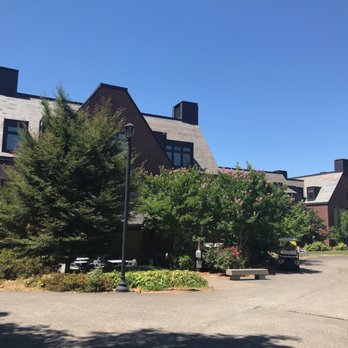
Oxford, England anyone? This beautiful, serene campus tucked away from the Portland city center is the perfect setting for our Summer Intercultural Institute. 10 days here was not enough. Sitka dorm is English architecture of new construction with superb AC for this Texas girl. I will be returning annually and wish I could have sent my niece Erica here. read more
6 years ago
Aleina Aliwarga has litty lecture notes. What a helpful gal (or guy, we don't assume gender in these parts)
13 years ago
I think a defining moment of my Reed experience took place post-college, that summer after graduation when I went into the career services office and started flipping through the binder of available jobs. Retail Clerk, "The Leather Store," $5.50/hour. Prison Guard, Clackamus County, $25,000/year. Sandwich maker, Woodstock Wine & Deli (part-time). A year later I worked as a secretary at Smith College, in MA and got to see their job listings, which were for actual, career-building jobs all over the country. To be fair to Reed, I think they may have stepped up their game a little since the 90's. But at the time I went there, jobs weren't the focus--getting into grad school was. And while it was lovely to focus on the life of the mind for four years, I spent the next five learning how to type and file things, while applying for entry-level jobs I was no longer qualified to do since I wasn't a "recent" graduate from a college anyone had ever heard of. This makes me sound bitter, and I'm not. Reed was fantastic, for the learning and the people. But there are other fantastic liberal arts schools that keep their heads out of the clouds. read more
I am biased, but I love Reed. It's a miracle to find a little piece of history west of the Mississippi, especially when your looking from the eyes of a Californian. Reed's campus is very welcoming, and when I was there this weekend, there was a moving exhibition on the lawn, with white flags signifying the Iraqis who died vs. the Americans who died. It was powerful, thoughtful, and creative which tends to define the Reed student. As far as the buildings, they make you feel like you are back east, which make you feel like you are actually in Cambridge, England which is very romantic. The dining hall which I ate at in Sept/Oct. on my last visit was surprisingly delish. It hit the spot and even though I wouldn't send you out from off campus to go there, but if you are on campus, I think it's safe to eat the food, which is more than I can say for a LOT of other schools. The students seemed authentic in their enjoyment of their studies, as well as their ability to have fun, so a nice balance. I would say that this school is a special spot for special people, but again, I am biased. read more
I've lived on campus at Reed for 4 years now. I'll be leaving soon, which makes me a bit sad. This is a great place for a stroll (with or without a canine companion) or a bike ride. Campus is very pretty (go to the Canyon!) and surprisingly insulated. The community is very welcoming. You should pay us a visit if you're in the area. I'm biased as a student/soon-to-be-alumna, but really - it's a beautiful campus, not to mention a great place to go to school. read more
14 years ago
I moved to Oregon 38 years ago to go to Reed, well actually my sister got accepted there and I helped her move here, but whatever. I grew roots in SE Portland and have walked my dogs on the Reed campus for many years. I have never been made to feel unwelcome anywhere on campus, we are really lucky to have Reed in our neighborhood. The canyon is an awesome peaceful place to walk and renew your inner peace. The chamber orchestra concerts are a treat too. read more
13 years ago
If you live for the life of the mind, if you believe in the redemptive power of Art, if you like to learn for the love of it, this is a good place to be. I graduated in '73 with a German Lit major; when I went on to graduate school in psychology, I found I was head and shoulders above my classmates because I had learned to think, to find patterns (and test whether they held up), to wonder what else was going on at the same time as X. Oh, and don't forget working from original source materials. I'm not saying I was particularly happy there, but at that time of my life I don't think much happiness was possible. It was exhilarating, intense, hard, FUN. read more
8 years ago
learned a lot but got really sad in the process
10 years ago
Beware of Reed's advertising that the cost of Tuition, room and board are based on your parents income. That maybe so, but they also make admission decisions based on your parents income read more
15 years ago
I am a Reed grad from the 70's. Reed College is not for everyone. Portland is overcast and rainy 9 months of the year. Reed is not a very social place, but fits you if you like to study and hang out in the coffee shop. It can be a depressing place. If you've been accepted somewhere else, give it serious thought unless you want something quirky that's very intellectual and academic. read more
More info about Reed College
3203 SE Woodstock Blvd
Portland, OR 97202
Eastmoreland, Southeast Portland
Directions
(503) 771-1112
Call Now
Visit Website
http://www.reed.edu
Hours
What time does Reed College open?
What time does Reed College close?
Other Amenities
Does Reed College have free WiFi?
Yes, Reed College has free WiFi.
Ask the Community - Reed College
Review Highlights - Reed College
“This beautiful, serene campus tucked away from the Portland city center is the perfect setting for our Summer Intercultural Institute.”
Mentioned in 2 reviews
You might also consider

Why does Yelp recommend reviews?
101 reviews that are not currently recommended
The reviews below are not factored into the business's overall star rating.
13 years ago
A single individual's legitimate review, below, is repeatedly flagged for filtering by the Reed College admissions office -- rings too true for them, I guess... pathetic! I graduated from Reed in the mid-90's. I found the College strange, insular and depressing, although academically rigorous. Many Reed graduates pursue PhDs and become successful academics. Others go into alternative medicine, computer programming, library science, and beer-making. These are fine vocations but there is a lack of spectrum. It's not a place known for graduates who also start businesses, invent things, go into politics, lead organizations, or stand out socially in other ways. Of course, there are some that do, but far fewer than one would expect given the high quality of the education. This is problematic: if you have the privilege to attend an elite school, do something that leaves a mark on the world, or at least try -- there's simply too much emphasis on how "intellectual" Reed is! The situation owes itself as much to the pool of self-selected students as to the marketing and culture historically promulgated by the administration. I've read the Reed College alumni magazine for years. The alumni notes are underwhelming when compared with those of Oberlin, Swarthmore, Harvard. Ask a Reedie to name a famous graduate, he or she will be unable to mention anyone other than Steve Jobs. But Mr. Jobs doesn't count -- he dropped out after 6 months. That said, Reed does promote serious engagement in ideas and has a demanding curriculum. Grades are de-emphasized, which outsiders often confuse with the notion that there are no grades at all. The school doesn't disseminate report cards, but students do receive grades which appear on transcripts. With the exception of a single A-, I received a B in every class I took. And I worked my butt off. The prioritization of scholarship over grades is laudatory, but Reed is too self-congratulatory about this, and about how iconoclastic and liberal and free-thinking it believes itself to be. There's a pervasive, studied, non-ironic, self-indulgent, counter-culture miasma. Sometimes it's all a bit much. Reed prides itself on being "different," but it's not a place where someone who's different from the Reed norm can easily feel comfortable. In this way, it's not very tolerant of diversity. The lack of grade-inflation, although noble in a way, can put graduates at a tremendous competitive disadvantage when they attempt to gain entry into graduate or professional schools. Even if a graduate has high scores on GMATs, LSATs, MCATs, and so on, admissions officers do not know or care that Reed has different standards in terms of grade assignments. There was no shortage of pot, alcohol, and hard drugs (especially during Renn Fayre). Reed provided a tolerant atmosphere for me to try some of this. There was also lots of admiring talk about designer drugs (in awed tones, some referred to "Bromo" -- a strong and scary, mind-altering substance that a Reed student had supposedly invented in a chemistry lab). On campus, there was exceedingly little conversation about contemporary societal issues or much linkage with the wider Portland community -- the place is incredibly inward-looking. Fortunately, campus is pretty to look at - green, ivy-covered, even stately. Unfortunately, it's also a bit run down. I walked through the grounds a couple years ago and saw neglect - broken basement windows, cobwebs, peeling paint, and litter. There have been spates of student suicides during Reed's history. I don't know whether this is a bigger problem than at other liberal-arts colleges, but it's hard not to wonder about the influence of perpetual cloudiness, near-constant drizzle, low skies, prolonged winter darkness, recreational drugs, interminable pressure to study, insularity, and the number of socially awkward kids who enroll. Without question, I got a very good education at Reed. I would have been happier, however, and received an equally good education if I had attended a more conventional school where there was a bit more sunshine. There are many fine schools with better opportunities for a more balanced life (any of the Ivy Leagues; most of the highly-ranked US News and World Report liberal arts colleges; and even lots of big state schools, many of which have liberal arts programs that try to capture the feel of life in a small college -- if this is what one wants). Many of these observations reflect personal experience, predilections, and the nature of my adolescence. They also reflect the Reed of a specific era - perhaps the place has changed. While I had happy times, adventures, and great friends at Reed, somehow these just don't figure as prominently in my memory as how forlorn and angst-ridden I felt. I've gone on to have a wonderful family, and a fulfilling and successful career. But most telling is that I would not encourage any of my own children to attend Reed -- or even visit it. read more
13 years ago
A single individual's legitimate review, below, is repeatedly flagged for filtering by the Reed College admissions office -- rings too true for them, I guess... pathetic! I graduated from Reed in the mid-90's. I found the College strange, insular and depressing, although academically rigorous. Many Reed graduates pursue PhDs and become successful academics. Others go into alternative medicine, computer programming, library science, and beer-making. These are fine vocations but there is a lack of spectrum. It's not a place known for graduates who also start businesses, invent things, go into politics, lead organizations, or stand out socially in other ways. Of course, there are some that do, but far fewer than one would expect given the high quality of the education. This is problematic: if you have the privilege to attend an elite school, do something that leaves a mark on the world, or at least try -- there's simply too much emphasis on how "intellectual" Reed is! The situation owes itself as much to the pool of self-selected students as to the marketing and culture historically promulgated by the administration. I've read the Reed College alumni magazine for years. The alumni notes are underwhelming when compared with those of Oberlin, Swarthmore, Harvard. Ask a Reedie to name a famous graduate, he or she will be unable to mention anyone other than Steve Jobs. But Mr. Jobs doesn't count -- he dropped out after 6 months. That said, Reed does promote serious engagement in ideas and has a demanding curriculum. Grades are de-emphasized, which outsiders often confuse with the notion that there are no grades at all. The school doesn't disseminate report cards, but students do receive grades which appear on transcripts. With the exception of a single A-, I received a B in every class I took. And I worked my butt off. The prioritization of scholarship over grades is laudatory, but Reed is too self-congratulatory about this, and about how iconoclastic and liberal and free-thinking it believes itself to be. There's a pervasive, studied, non-ironic, self-indulgent, counter-culture miasma. Sometimes it's all a bit much. Reed prides itself on being "different," but it's not a place where someone who's different from the Reed norm can easily feel comfortable. In this way, it's not very tolerant of diversity. The lack of grade-inflation, although noble in a way, can put graduates at a tremendous competitive disadvantage when they attempt to gain entry into graduate or professional schools. Even if a graduate has high scores on GMATs, LSATs, MCATs, and so on, admissions officers do not know or care that Reed has different standards in terms of grade assignments. There was no shortage of pot, alcohol, and hard drugs (especially during Renn Fayre). Reed provided a tolerant atmosphere for me to try some of this. There was also lots of admiring talk about designer drugs (in awed tones, some referred to "Bromo" -- a strong and scary, mind-altering substance that a Reed student had supposedly invented in a chemistry lab). On campus, there was exceedingly little conversation about contemporary societal issues or much linkage with the wider Portland community -- the place is incredibly inward-looking. Fortunately, campus is pretty to look at - green, ivy-covered, even stately. Unfortunately, it's also a bit run down. I walked through the grounds a couple years ago and saw neglect - broken basement windows, cobwebs, peeling paint, and litter. There have been spates of student suicides during Reed's history. I don't know whether this is a bigger problem than at other liberal-arts colleges, but it's hard not to wonder about the influence of perpetual cloudiness, near-constant drizzle, low skies, prolonged winter darkness, recreational drugs, interminable pressure to study, insularity, and the number of socially awkward kids who enroll. Without question, I got a very good education at Reed. I would have been happier, however, and received an equally good education if I had attended a more conventional school where there was a bit more sunshine. There are many fine schools with better opportunities for a more balanced life (any of the Ivy Leagues; most of the highly-ranked US News and World Report liberal arts colleges; and even lots of big state schools, many of which have liberal arts programs that try to capture the feel of life in a small college -- if this is what one wants). Many of these observations reflect personal experience, predilections, and the nature of my adolescence. They also reflect the Reed of a specific era - perhaps the place has changed. While I had happy times, adventures, and great friends at Reed, somehow these just don't figure as prominently in my memory as how forlorn and angst-ridden I felt. I've gone on to have a wonderful family, and a fulfilling and successful career. But most telling is that I would not encourage any of my own children to attend Reed -- or even visit it. read more
13 years ago
I'm a Reed graduate. The College is insular and depressing, although academically demanding. Take it to heart: Reed is not for everyone. A very small number of Reed graduates become doctors, lawyers, engineers. The vast majority go into sundry careers like alternative medicine, computer programming, library science, freelance writing, and beer-making. But Reed is best suited for students who, coming out of high school, are confident they want to become academics. These are fine vocations but a critical part of the spectrum is missing. Reed is not known for graduates who start businesses, invent things, go into politics, or lead organizations. Ask a Reedie to name a prominent alumnus, he or she - and even the admissions office - are likely to mention, and only mention, Steve Jobs. But Mr. Jobs doesn't count -- he dropped out in less than 6 months over forty years ago. To reiterate, for a century a large number of students have had the privilege of attending this expensive and elite school, yet only a minuscule number have attained even minor renown. This by itself is a lousy metric of educational value, but it does bespeak Reed's over-emphasis on intellectualism for its own sake. The place is an ivory tower. Missing is the vibrancy of real-world engagement and service to society. The Greeks and Romans are fine, but Reed makes little room for developing leadership skills, understanding and wrestling with contemporary problems, learning from prominent experts, and interacting with local and national interest groups. It also does little to prepare graduates uninterested in graduate school for decent, well-paying jobs. For what it emphasizes - the life of the mind - Reed does well and promotes a sense of purity about it. The usually-cited example is that while grades are conferred and appear on transcripts, the school does not disseminate report cards or divulge grades to students unless they ask to see them. Reed also eschews grade inflation. For example, I worked very hard to receive a B in almost every class I took. But such virtuousness must be celebrated on an island isolated from the rest of humanity. Rather than not mattering at all, grades actually mean a great deal because Reed is supposedly more rigorous and intellectually honest than other schools. Unfortunately, this situation seriously disadvantages its graduates. Even if Reed students are capable, ambitious, and have significant talent and superior scores on GREs, LSATs, and MCATs, computer screening algorithms and admissions officers in graduate and professional schools simply don't know or care that Reed has more stringent grading standards than other schools. The prioritization of scholarship over grades, fraternities, and team sports has merit, but Reed students are generally too extreme and self-congratulatory about this, and about how iconoclastic and liberal and free-thinking they believe themselves to be. The self-indulgent, counter-culture miasma quickly gets old. Peer pressure to endorse these values and to cultivate a bohemian image also yield an irony: while Reed prides itself on being "different," it's not a place where one who disagrees with aspects of the Reed norm can easily feel comfortable. In fact, rampant political correctness notwithstanding, Reed is intolerant of many kinds of diversity. A stereotype about Reed was absolutely true: there was no shortage of pot, alcohol, and hard drugs. In awed tones, some spoke of "Bromo," a strong and scary, mind-altering substance that a Reed student had supposedly invented in a chemistry lab. Reed provided an accepting atmosphere to try some of this. Finally, there have been spates of student suicides during Reed's history. Whether this is a bigger problem than at other liberal-arts colleges I don't know, but one wonders about the influence of near-constant drizzle, low skies, small spaces, prolonged winter darkness, recreational drugs, interminable pressure to study, and the number of socially awkward kids who enroll. I don't absolutely regret attending Reed but I would have been happier and received an equally good education if I had attended a more conventional school with a bit more sunshine and a bit more resonance with the rest of society. There are myriad alternatives for a more balanced life, for friendship, and for the development of critical thinking skills: any of the Ivy Leagues; most of the highly-ranked US News and World Report liberal arts colleges; and even many state schools, some of which have liberal arts programs that try to capture the feel of life in a small college. Some of these observations reflect personal experience, predilections, and the nature of my adolescence. Perhaps Reed has changed. I've gone on to have a wonderful family and a fulfilling and successful career. But as much as I benefited from, I also had to work hard to overcome my Reed experience. Most telling is that I would not encourage my own children to attend Reed -- or even visit it. read more
13 years ago
'm a Reed graduate. The College is insular and depressing, although academically demanding. Take it to heart: Reed is not for everyone. A very small number of Reed graduates become doctors, lawyers, engineers. The vast majority go into sundry careers like alternative medicine, computer programming, library science, freelance writing, and beer-making. But Reed is best suited for students who, coming out of high school, are confident they want to become academics. These are fine vocations but a critical part of the spectrum is missing. Reed is not known for graduates who start businesses, invent things, go into politics, or lead organizations. Ask a Reedie to name a prominent alumnus, he or she - and even the admissions office - are likely to mention, and only mention, Steve Jobs. But Mr. Jobs doesn't count -- he dropped out in less than 6 months over forty years ago. To reiterate, for a century a large number of students have had the privilege of attending this expensive and elite school, yet only a minuscule number have attained even minor renown. This by itself is a lousy metric of educational value, but it does bespeak Reed's over-emphasis on intellectualism for its own sake. The place is an ivory tower. Missing is the vibrancy of real-world engagement and service to society. The Greeks and Romans are fine, but Reed makes little room for developing leadership skills, understanding and wrestling with contemporary problems, learning from prominent experts, and interacting with local and national interest groups. It also does little to prepare graduates uninterested in graduate school for decent, well-paying jobs. For what it emphasizes - the life of the mind - Reed does well and promotes a sense of purity about it. The usually-cited example is that while grades are conferred and appear on transcripts, the school does not disseminate report cards or divulge grades to students unless they ask to see them. Reed also eschews grade inflation. For example, I worked very hard to receive a B in almost every class I took. But such virtuousness must be celebrated on an island isolated from the rest of humanity. Rather than not mattering at all, grades actually mean a great deal because Reed is supposedly more rigorous and intellectually honest than other schools. Unfortunately, this situation seriously disadvantages its graduates. Even if Reed students are capable, ambitious, and have significant talent and superior scores on GREs, LSATs, and MCATs, computer screening algorithms and admissions officers in graduate and professional schools simply don't know or care that Reed has more stringent grading standards than other schools. The prioritization of scholarship over grades, fraternities, and team sports has merit, but Reed students are generally too extreme and self-congratulatory about this, and about how iconoclastic and liberal and free-thinking they believe themselves to be. The self-indulgent, counter-culture miasma quickly gets old. Peer pressure to endorse these values and to cultivate a bohemian image also yield an irony: while Reed prides itself on being "different," it's not a place where one who disagrees with aspects of the Reed norm can easily feel comfortable. In fact, rampant political correctness notwithstanding, Reed is intolerant of many kinds of diversity. A stereotype about Reed was absolutely true: there was no shortage of pot, alcohol, and hard drugs. In awed tones, some spoke of "Bromo," a strong and scary, mind-altering substance that a Reed student had supposedly invented in a chemistry lab. Reed provided an accepting atmosphere to try some of this. Finally, there have been spates of student suicides during Reed's history. Whether this is a bigger problem than at other liberal-arts colleges I don't know, but one wonders about the influence of near-constant drizzle, low skies, small spaces, prolonged winter darkness, recreational drugs, interminable pressure to study, and the number of socially awkward kids who enroll. I don't absolutely regret attending Reed but I would have been happier and received an equally good education if I had attended a more conventional school with a bit more sunshine and a bit more resonance with the rest of society. There are myriad alternatives for a more balanced life, for friendship, and for the development of critical thinking skills: any of the Ivy Leagues; most of the highly-ranked US News and World Report liberal arts colleges; and even many state schools, some of which have liberal arts programs that try to capture the feel of life in a small college. Some of these observations reflect personal experience, predilections, and the nature of my adolescence. Perhaps Reed has changed. I've gone on to have a wonderful family and a fulfilling and successful career. But as much as I benefited from, I also had to work hard to overcome my Reed experience. Most telling is that I would not encourage my own children to attend Reed -- or even visit it. read more
13 years ago
I'm a Reed graduate. The College is insular and depressing, although academically demanding. Take it to heart: Reed is not for everyone. A small number of Reed graduates become doctors, lawyers, engineers. The vast majority go into sundry careers like alternative medicine, computer programming, library science, freelance writing, and beer-making. But Reed is best suited for students who, out of high school, are confident they want to become academics. These are fine vocations but a critical part of the spectrum is missing. Reed is not known for graduates who start businesses, invent things, go into politics, or lead organizations. Just read the Alumni Notes section of any Reed Magazine to get a flavor. Or ask a Reedie to name a prominent alumnus. He or she - and even the admissions office - is likely to mention, and only mention, Steve Jobs. But Mr. Jobs doesn't count -- he dropped out in less than 6 months over forty years ago. To reiterate, for a century a large number of students have had the privilege of attending this expensive and elite school, yet only a minuscule number have attained even minor renown. This by itself is a lousy metric of educational value, but it does bespeak Reed's over-emphasis on intellectualism for its own sake. The place is an ivory tower. Missing is the vibrancy of real-world engagement and service to society. The Greeks and Romans are fine, but Reed makes little room for developing leadership skills, understanding and wrestling with contemporary problems, learning from prominent experts, and interacting with local and national interest groups. It also does little to prepare graduates uninterested in graduate school for decent, well-paying jobs. For what it emphasizes - the mind - Reed does well and promotes a sense of purity about it. The well-worn example is that while grades are conferred and appear on transcripts, the school does not disseminate report cards or divulge grades to students unless they ask to see them. Reed also eschews grade inflation. For example, I worked hard to receive a B in almost every class I took. But such virtuousness must be celebrated on an island isolated from the rest of humanity. Rather than not mattering at all, grades actually mean a great deal because Reed is supposedly more rigorous and intellectually honest than other schools. Unfortunately, this situation seriously disadvantages its graduates. Even if Reed students are capable, ambitious, and have significant talent and superior scores on GREs, LSATs, and MCATs, computer screening algorithms and admissions officers in graduate and professional schools simply don't know or care that Reed has more stringent grading standards than other schools. The prioritization of scholarship over grades, fraternities, and team sports has merit, but Reed students are generally too extreme and self-congratulatory about this, and about how iconoclastic and liberal and free-thinking they believe themselves to be. The self-indulgent, counter-culture miasma quickly gets old. Peer pressure to endorse these values and to cultivate a bohemian image also yield an irony: while Reed prides itself on being "different," it's not a place where one who disagrees with aspects of the Reed norm can feel comfortable. In fact, rampant political correctness notwithstanding, Reed is intolerant of many kinds of diversity. A stereotype about Reed was true: there was plenty of pot, alcohol, and hard drugs. In awed tones, some spoke of "Bromo," a strong and scary, mind-altering substance that a Reed student had supposedly invented in a chemistry lab. Reed provided an accepting atmosphere to try some of this. Finally, there have been spates of student suicides during Reed's history. Whether this is a bigger problem than at other liberal-arts colleges I don't know, but one wonders about the influence of near-constant drizzle, low skies, small spaces, prolonged winter darkness, recreational drugs, interminable pressure to study, and the number of socially awkward kids who enroll. I don't regret attending Reed yet I would have been happier and received an equally good education if I had attended a more conventional school with more sunshine and more resonance with the rest of society. There are myriad alternatives for a more balanced life, for friendship, and for the development of critical thinking skills: any of the Ivy Leagues; most of the highly-ranked US News and World Report liberal arts colleges; and even many state schools, some of which have liberal arts programs that try to capture the feel of life in a small college. Some of these observations reflect personal experience, predilections, and the nature of my adolescence. Perhaps Reed has changed. I've gone on to have a wonderful family and a fulfilling and successful career. But as much as I benefited from, I also had to work hard to overcome my Reed experience. Most telling is that I would not encourage my own children to attend Reed -- or even visit it. read more
13 years ago
This legitimate and thoughtful review of one individual is repeatedly flagged for filtering by the Reed College admissions office -- pathetic! I graduated from Reed in the mid-90's. I found the College strange, insular and depressing, although academically rigorous. Quite a few Reed graduates pursue PhDs and become successful academics. Others go into alternative medicine, computer programming, library science, and beer-making. These are fine vocations but there is a lack of spectrum. It's not a place known for graduates who also start businesses, invent things, go into politics, lead organizations, or stand out socially in other ways. Of course, there are some that do, but far fewer than one would expect given the high quality of the education. This is problematic: if you have the privilege to attend an elite school, do something that leaves a mark on the world, or at least try -- there's simply too much emphasis on how "intellectual" Reed is! The situation owes itself as much to the pool of self-selected students as to the marketing and culture historically promulgated by the administration. I've read the Reed College alumni magazine for years. The alumni notes are underwhelming when compared with those of Oberlin, Swarthmore, Harvard. Ask a Reedie to name a famous graduate, he or she will be unable to mention anyone other than Steve Jobs. But Mr. Jobs doesn't count -- he dropped out after 6 months. That said, Reed does promote serious engagement in ideas and has a demanding curriculum. Grades are de-emphasized, which outsiders sometimes confuse with the notion that there are no grades at all. The school doesn't disseminate report cards, but students do receive grades which appear on transcripts. With the exception of a single A-, I received a B in every class I took. And I worked my butt off. The prioritization of scholarship over grades is laudatory, but Reed is too self-congratulatory about this, and about how iconoclastic and liberal and free-thinking it believes itself to be. There's a pervasive, studied, non-ironic, self-indulgent, counter-culture miasma. Sometimes it's all a bit much. Reed prides itself on being "different," but it's not a place where someone who's different from the Reed norm can easily feel comfortable. In this way, it's not very tolerant of diversity. The lack of grade-inflation, although noble in a way, can put graduates at a tremendous competitive disadvantage when they attempt to gain entry into graduate or professional schools. Even if a graduate has high scores on GMATs, LSATs, MCATs, and so on, admissions officers do not know or care that Reed has different standards in terms of grade assignments. There was no shortage of pot, alcohol, and hard drugs (especially during Renn Fayre). Reed provided a tolerant atmosphere for me to try some of this. There was also lots of admiring talk about designer drugs (in awed tones, some referred to "Bromo" -- a strong and scary, mind-altering substance that a Reed student had supposedly invented in a chemistry lab). On campus, there was exceedingly little conversation about contemporary societal issues or much linkage with the wider Portland community -- the place is incredibly inward-looking. Fortunately, campus is pretty to look at - green, ivy-covered, even stately. Unfortunately, it's also a bit run down. I walked through the grounds a couple years ago and saw neglect - broken basement windows, cobwebs, peeling paint, and litter. There have been spates of student suicides during Reed's history. I don't know whether this is a bigger problem than at other liberal-arts colleges, but it's hard not to wonder about the influence of perpetual cloudiness, near-constant drizzle, low skies, prolonged winter darkness, recreational drugs, interminable pressure to study, insularity, and the number of socially awkward kids who enroll. Without question, I got a very good education at Reed. I would have been happier, however, and received an equally good education if I had attended a more conventional school where there was a bit more sunshine. There are many fine schools with better opportunities for a more balanced life (any of the Ivy Leagues; most of the highly-ranked US News and World Report liberal arts colleges; and even lots of big state schools, many of which have liberal arts programs that try to capture the feel of life in a small college -- if this is what one wants). Many of these observations reflect personal experience, values, predilections, and the nature of my adolescence. They also reflect the Reed of a specific era - perhaps the place has changed. While I had happy times, adventures, and great friends at Reed, somehow these just don't figure as prominently in my memory as how forlorn and angst-ridden I felt. I've gone on to have a wonderful family, and a fulfilling and successful career. But most telling is that I would not encourage any of my own children to attend Reed -- or even visit it. read more
13 years ago
This legitimate and thoughtful review of one individual is repeatedly flagged for filtering by the Reed College admissions office -- pathetic! I graduated from Reed in the mid-90's. I found the College strange, insular and depressing, although academically rigorous. Quite a few Reed graduates pursue PhDs and become successful academics. Others go into alternative medicine, computer programming, library science, and beer-making. These are fine vocations but there is a lack of spectrum. It's not a place known for graduates who also start businesses, invent things, go into politics, lead organizations, or stand out socially in other ways. Of course, there are some that do, but far fewer than one would expect given the high quality of the education. This is problematic: if you have the privilege to attend an elite school, do something that leaves a mark on the world, or at least try -- there's simply too much emphasis on how "intellectual" Reed is! The situation owes itself as much to the pool of self-selected students as to the marketing and culture historically promulgated by the administration. I've read the Reed College alumni magazine for years. The alumni notes are underwhelming when compared with those of Oberlin, Swarthmore, Harvard. Ask a Reedie to name a famous graduate, he or she will be unable to mention anyone other than Steve Jobs. But Mr. Jobs doesn't count -- he dropped out after 6 months. That said, Reed does promote serious engagement in ideas and has a demanding curriculum. Grades are de-emphasized, which outsiders sometimes confuse with the notion that there are no grades at all. The school doesn't disseminate report cards, but students do receive grades which appear on transcripts. With the exception of a single A-, I received a B in every class I took. And I worked my butt off. The prioritization of scholarship over grades is laudatory, but Reed is too self-congratulatory about this, and about how iconoclastic and liberal and free-thinking it believes itself to be. There's a pervasive, studied, non-ironic, self-indulgent, counter-culture miasma. Sometimes it's all a bit much. Reed prides itself on being "different," but it's not a place where someone who's different from the Reed norm can easily feel comfortable. In this way, it's not very tolerant of diversity. The lack of grade-inflation, although noble in a way, can put graduates at a tremendous competitive disadvantage when they attempt to gain entry into graduate or professional schools. Even if a graduate has high scores on GMATs, LSATs, MCATs, and so on, admissions officers do not know or care that Reed has different standards in terms of grade assignments. There was no shortage of pot, alcohol, and hard drugs (especially during Renn Fayre). Reed provided a tolerant atmosphere for me to try some of this. There was also lots of admiring talk about designer drugs (in awed tones, some referred to "Bromo" -- a strong and scary, mind-altering substance that a Reed student had supposedly invented in a chemistry lab). On campus, there was exceedingly little conversation about contemporary societal issues or much linkage with the wider Portland community -- the place is incredibly inward-looking. Fortunately, campus is pretty to look at - green, ivy-covered, even stately. Unfortunately, it's also a bit run down. I walked through the grounds a couple years ago and saw neglect - broken basement windows, cobwebs, peeling paint, and litter. There have been spates of student suicides during Reed's history. I don't know whether this is a bigger problem than at other liberal-arts colleges, but it's hard not to wonder about the influence of perpetual cloudiness, near-constant drizzle, low skies, prolonged winter darkness, recreational drugs, interminable pressure to study, insularity, and the number of socially awkward kids who enroll. Without question, I got a very good education at Reed. I would have been happier, however, and received an equally good education if I had attended a more conventional school where there was a bit more sunshine. There are many fine schools with better opportunities for a more balanced life (any of the Ivy Leagues; most of the highly-ranked US News and World Report liberal arts colleges; and even lots of big state schools, many of which have liberal arts programs that try to capture the feel of life in a small college -- if this is what one wants). Many of these observations reflect personal experience, values, predilections, and the nature of my adolescence. They also reflect the Reed of a specific era - perhaps the place has changed. While I had happy times, adventures, and great friends at Reed, somehow these just don't figure as prominently in my memory as how forlorn and angst-ridden I felt. I've gone on to have a wonderful family, and a fulfilling and successful career. But most telling is that I would not encourage any of my own children to attend Reed -- or even visit it. read more
13 years ago
A single individual's legitimate review, below, is repeatedly flagged for filtering by the Reed College admissions office -- rings too true for them, I guess... I graduated from Reed in the mid-90's. I found the College strange, insular and depressing, although academically rigorous. Many Reed graduates pursue PhDs and become successful academics. Others go into alternative medicine, computer programming, library science, and beer-making. These are fine vocations but there is a lack of spectrum. It's not a place known for graduates who also start businesses, invent things, go into politics, lead organizations, or stand out socially in other ways. Of course, there are some that do, but far fewer than one would expect given the high quality of the education. This is problematic: if you have the privilege to attend an elite school, do something that leaves a mark on the world, or at least try -- there's simply too much emphasis on how "intellectual" Reed is! The situation owes itself as much to the pool of self-selected students as to the marketing and culture historically promulgated by the administration. I've read the Reed College alumni magazine for years. The alumni notes are underwhelming when compared with those of Oberlin, Swarthmore, Harvard. Ask a Reedie to name a famous graduate, he or she will be unable to mention anyone other than Steve Jobs. But Mr. Jobs doesn't count -- he dropped out after 6 months. That said, Reed does promote serious engagement in ideas and has a demanding curriculum. Grades are de-emphasized, which outsiders often confuse with the notion that there are no grades at all. The school doesn't disseminate report cards, but students do receive grades which appear on transcripts. With the exception of a single A-, I received a B in every class I took. And I worked my butt off. The prioritization of scholarship over grades is laudatory, but Reed is too self-congratulatory about this, and about how iconoclastic and liberal and free-thinking it believes itself to be. There's a pervasive, studied, non-ironic, self-indulgent, counter-culture miasma. Sometimes it's all a bit much. Reed prides itself on being "different," but it's not a place where someone who's different from the Reed norm can easily feel comfortable. In this way, it's not very tolerant of diversity. The lack of grade-inflation, although noble in a way, can put graduates at a tremendous competitive disadvantage when they attempt to gain entry into graduate or professional schools. Even if a graduate has high scores on GMATs, LSATs, MCATs, and so on, admissions officers do not know or care that Reed has different standards in terms of grade assignments. There was no shortage of pot, alcohol, and hard drugs (especially during Renn Fayre). Reed provided a tolerant atmosphere for me to try some of this. There was also lots of admiring talk about designer drugs (in awed tones, some referred to "Bromo" -- a strong and scary, mind-altering substance that a Reed student had supposedly invented in a chemistry lab). On campus, there was exceedingly little conversation about contemporary societal issues or much linkage with the wider Portland community -- the place is incredibly inward-looking. Fortunately, campus is pretty to look at - green, ivy-covered, even stately. Unfortunately, it's also a bit run down. I walked through the grounds a couple years ago and saw neglect - broken basement windows, cobwebs, peeling paint, and litter. There have been spates of student suicides during Reed's history. I don't know whether this is a bigger problem than at other liberal-arts colleges, but it's hard not to wonder about the influence of perpetual cloudiness, near-constant drizzle, low skies, prolonged winter darkness, recreational drugs, interminable pressure to study, insularity, and the number of socially awkward kids who enroll. Without question, I got a very good education at Reed. I would have been happier, however, and received an equally good education if I had attended a more conventional school where there was a bit more sunshine. There are many fine schools with better opportunities for a more balanced life (any of the Ivy Leagues; most of the highly-ranked US News and World Report liberal arts colleges; and even lots of big state schools, many of which have liberal arts programs that try to capture the feel of life in a small college -- if this is what one wants). Many of these observations reflect personal experience, predilections, and the nature of my adolescence. They also reflect the Reed of a specific era - perhaps the place has changed. While I had happy times, adventures, and great friends at Reed, somehow these just don't figure as prominently in my memory as how forlorn and angst-ridden I felt. I've gone on to have a wonderful family, and a fulfilling and successful career. But most telling is that I would not encourage any of my own children to attend Reed -- or even visit it. read more
13 years ago
A single individual's legitimate review, below, is repeatedly flagged for filtering by the Reed College admissions office -- rings too true for them, I guess... I graduated from Reed in the mid-90's. I found the College strange, insular and depressing, although academically rigorous. Many Reed graduates pursue PhDs and become successful academics. Others go into alternative medicine, computer programming, library science, and beer-making. These are fine vocations but there is a lack of spectrum. It's not a place known for graduates who also start businesses, invent things, go into politics, lead organizations, or stand out socially in other ways. Of course, there are some that do, but far fewer than one would expect given the high quality of the education. This is problematic: if you have the privilege to attend an elite school, do something that leaves a mark on the world, or at least try -- there's simply too much emphasis on how "intellectual" Reed is! The situation owes itself as much to the pool of self-selected students as to the marketing and culture historically promulgated by the administration. I've read the Reed College alumni magazine for years. The alumni notes are underwhelming when compared with those of Oberlin, Swarthmore, Harvard. Ask a Reedie to name a famous graduate, he or she will be unable to mention anyone other than Steve Jobs. But Mr. Jobs doesn't count -- he dropped out after 6 months. That said, Reed does promote serious engagement in ideas and has a demanding curriculum. Grades are de-emphasized, which outsiders often confuse with the notion that there are no grades at all. The school doesn't disseminate report cards, but students do receive grades which appear on transcripts. With the exception of a single A-, I received a B in every class I took. And I worked my butt off. The prioritization of scholarship over grades is laudatory, but Reed is too self-congratulatory about this, and about how iconoclastic and liberal and free-thinking it believes itself to be. There's a pervasive, studied, non-ironic, self-indulgent, counter-culture miasma. Sometimes it's all a bit much. Reed prides itself on being "different," but it's not a place where someone who's different from the Reed norm can easily feel comfortable. In this way, it's not very tolerant of diversity. The lack of grade-inflation, although noble in a way, can put graduates at a tremendous competitive disadvantage when they attempt to gain entry into graduate or professional schools. Even if a graduate has high scores on GMATs, LSATs, MCATs, and so on, admissions officers do not know or care that Reed has different standards in terms of grade assignments. There was no shortage of pot, alcohol, and hard drugs (especially during Renn Fayre). Reed provided a tolerant atmosphere for me to try some of this. There was also lots of admiring talk about designer drugs (in awed tones, some referred to "Bromo" -- a strong and scary, mind-altering substance that a Reed student had supposedly invented in a chemistry lab). On campus, there was exceedingly little conversation about contemporary societal issues or much linkage with the wider Portland community -- the place is incredibly inward-looking. Fortunately, campus is pretty to look at - green, ivy-covered, even stately. Unfortunately, it's also a bit run down. I walked through the grounds a couple years ago and saw neglect - broken basement windows, cobwebs, peeling paint, and litter. There have been spates of student suicides during Reed's history. I don't know whether this is a bigger problem than at other liberal-arts colleges, but it's hard not to wonder about the influence of perpetual cloudiness, near-constant drizzle, low skies, prolonged winter darkness, recreational drugs, interminable pressure to study, insularity, and the number of socially awkward kids who enroll. Without question, I got a very good education at Reed. I would have been happier, however, and received an equally good education if I had attended a more conventional school where there was a bit more sunshine. There are many fine schools with better opportunities for a more balanced life (any of the Ivy Leagues; most of the highly-ranked US News and World Report liberal arts colleges; and even lots of big state schools, many of which have liberal arts programs that try to capture the feel of life in a small college -- if this is what one wants). Many of these observations reflect personal experience, predilections, and the nature of my adolescence. They also reflect the Reed of a specific era - perhaps the place has changed. While I had happy times, adventures, and great friends at Reed, somehow these just don't figure as prominently in my memory as how forlorn and angst-ridden I felt. I've gone on to have a wonderful family, and a fulfilling and successful career. But most telling is that I would not encourage any of my own children to attend Reed -- or even visit it. read more
13 years ago
A single individual's legitimate review, below, is repeatedly flagged for filtering by the Reed College admissions office -- rings too true for them, I guess... I graduated from Reed in the mid-90's. I found the College strange, insular and depressing, although academically rigorous. Many Reed graduates pursue PhDs and become successful academics. Others go into alternative medicine, computer programming, library science, and beer-making. These are fine vocations but there is a lack of spectrum. It's not a place known for graduates who also start businesses, invent things, go into politics, lead organizations, or stand out socially in other ways. Of course, there are some that do, but far fewer than one would expect given the high quality of the education. This is problematic: if you have the privilege to attend an elite school, do something that leaves a mark on the world, or at least try -- there's simply too much emphasis on how "intellectual" Reed is! The situation owes itself as much to the pool of self-selected students as to the marketing and culture historically promulgated by the administration. I've read the Reed College alumni magazine for years. The alumni notes are underwhelming when compared with those of Oberlin, Swarthmore, Harvard. Ask a Reedie to name a famous graduate, he or she will be unable to mention anyone other than Steve Jobs. But Mr. Jobs doesn't count -- he dropped out after 6 months. That said, Reed does promote serious engagement in ideas and has a demanding curriculum. Grades are de-emphasized, which outsiders often confuse with the notion that there are no grades at all. The school doesn't disseminate report cards, but students do receive grades which appear on transcripts. With the exception of a single A-, I received a B in every class I took. And I worked my butt off. The prioritization of scholarship over grades is laudatory, but Reed is too self-congratulatory about this, and about how iconoclastic and liberal and free-thinking it believes itself to be. There's a pervasive, studied, non-ironic, self-indulgent, counter-culture miasma. Sometimes it's all a bit much. Reed prides itself on being "different," but it's not a place where someone who's different from the Reed norm can easily feel comfortable. In this way, it's not very tolerant of diversity. The lack of grade-inflation, although noble in a way, can put graduates at a tremendous competitive disadvantage when they attempt to gain entry into graduate or professional schools. Even if a graduate has high scores on GMATs, LSATs, MCATs, and so on, admissions officers do not know or care that Reed has different standards in terms of grade assignments. There was no shortage of pot, alcohol, and hard drugs (especially during Renn Fayre). Reed provided a tolerant atmosphere for me to try some of this. There was also lots of admiring talk about designer drugs (in awed tones, some referred to "Bromo" -- a strong and scary, mind-altering substance that a Reed student had supposedly invented in a chemistry lab). On campus, there was exceedingly little conversation about contemporary societal issues or much linkage with the wider Portland community -- the place is incredibly inward-looking. Fortunately, campus is pretty to look at - green, ivy-covered, even stately. Unfortunately, it's also a bit run down. I walked through the grounds a couple years ago and saw neglect - broken basement windows, cobwebs, peeling paint, and litter. There have been spates of student suicides during Reed's history. I don't know whether this is a bigger problem than at other liberal-arts colleges, but it's hard not to wonder about the influence of perpetual cloudiness, near-constant drizzle, low skies, prolonged winter darkness, recreational drugs, interminable pressure to study, insularity, and the number of socially awkward kids who enroll. Without question, I got a very good education at Reed. I would have been happier, however, and received an equally good education if I had attended a more conventional school where there was a bit more sunshine. There are many fine schools with better opportunities for a more balanced life (any of the Ivy Leagues; most of the highly-ranked US News and World Report liberal arts colleges; and even lots of big state schools, many of which have liberal arts programs that try to capture the feel of life in a small college -- if this is what one wants). Many of these observations reflect personal experience, predilections, and the nature of my adolescence. They also reflect the Reed of a specific era - perhaps the place has changed. While I had happy times, adventures, and great friends at Reed, somehow these just don't figure as prominently in my memory as how forlorn and angst-ridden I felt. I've gone on to have a wonderful family, and a fulfilling and successful career. But most telling is that I would not encourage any of my own children to attend Reed -- or even visit it. read more
13 years ago
A single individual's legitimate review, below, is repeatedly flagged for filtering by the Reed College admissions office -- rings too true for them, I guess... I graduated from Reed in the mid-90's. I found the College strange, insular and depressing, although academically rigorous. Many Reed graduates pursue PhDs and become successful academics. Others go into alternative medicine, computer programming, library science, and beer-making. These are fine vocations but there is a lack of spectrum. It's not a place known for graduates who also start businesses, invent things, go into politics, lead organizations, or stand out socially in other ways. Of course, there are some that do, but far fewer than one would expect given the high quality of the education. This is problematic: if you have the privilege to attend an elite school, do something that leaves a mark on the world, or at least try -- there's simply too much emphasis on how "intellectual" Reed is! The situation owes itself as much to the pool of self-selected students as to the marketing and culture historically promulgated by the administration. I've read the Reed College alumni magazine for years. The alumni notes are underwhelming when compared with those of Oberlin, Swarthmore, Harvard. Ask a Reedie to name a famous graduate, he or she will be unable to mention anyone other than Steve Jobs. But Mr. Jobs doesn't count -- he dropped out after 6 months. That said, Reed does promote serious engagement in ideas and has a demanding curriculum. Grades are de-emphasized, which outsiders often confuse with the notion that there are no grades at all. The school doesn't disseminate report cards, but students do receive grades which appear on transcripts. With the exception of a single A-, I received a B in every class I took. And I worked my butt off. The prioritization of scholarship over grades is laudatory, but Reed is too self-congratulatory about this, and about how iconoclastic and liberal and free-thinking it believes itself to be. There's a pervasive, studied, non-ironic, self-indulgent, counter-culture miasma. Sometimes it's all a bit much. Reed prides itself on being "different," but it's not a place where someone who's different from the Reed norm can easily feel comfortable. In this way, it's not very tolerant of diversity. The lack of grade-inflation, although noble in a way, can put graduates at a tremendous competitive disadvantage when they attempt to gain entry into graduate or professional schools. Even if a graduate has high scores on GMATs, LSATs, MCATs, and so on, admissions officers do not know or care that Reed has different standards in terms of grade assignments. There was no shortage of pot, alcohol, and hard drugs (especially during Renn Fayre). Reed provided a tolerant atmosphere for me to try some of this. There was also lots of admiring talk about designer drugs (in awed tones, some referred to "Bromo" -- a strong and scary, mind-altering substance that a Reed student had supposedly invented in a chemistry lab). On campus, there was exceedingly little conversation about contemporary societal issues or much linkage with the wider Portland community -- the place is incredibly inward-looking. Fortunately, campus is pretty to look at - green, ivy-covered, even stately. Unfortunately, it's also a bit run down. I walked through the grounds a couple years ago and saw neglect - broken basement windows, cobwebs, peeling paint, and litter. There have been spates of student suicides during Reed's history. I don't know whether this is a bigger problem than at other liberal-arts colleges, but it's hard not to wonder about the influence of perpetual cloudiness, near-constant drizzle, low skies, prolonged winter darkness, recreational drugs, interminable pressure to study, insularity, and the number of socially awkward kids who enroll. Without question, I got a very good education at Reed. I would have been happier, however, and received an equally good education if I had attended a more conventional school where there was a bit more sunshine. There are many fine schools with better opportunities for a more balanced life (any of the Ivy Leagues; most of the highly-ranked US News and World Report liberal arts colleges; and even lots of big state schools, many of which have liberal arts programs that try to capture the feel of life in a small college -- if this is what one wants). Many of these observations reflect personal experience, predilections, and the nature of my adolescence. They also reflect the Reed of a specific era - perhaps the place has changed. While I had happy times, adventures, and great friends at Reed, somehow these just don't figure as prominently in my memory as how forlorn and angst-ridden I felt. I've gone on to have a wonderful family, and a fulfilling and successful career. But most telling is that I would not encourage any of my own children to attend Reed -- or even visit it. read more
13 years ago
I'm a Reed graduate. The College is strange, insular and depressing, although academically demanding. Take it to heart: Reed is not for everyone. Reed is best suited for students who want to become academics and know this with a high degree of certainty coming out of high school. A very small number of Reed graduates become doctors, lawyers, engineers. A vast majority go into sundry careers like alternative medicine, computer programming, library science, freelance writing, and beer-making. These are fine vocations but a critical part of the spectrum is missing. Reed is not known for graduates who start businesses, invent things, go into politics, or lead organizations. Ask a Reedie to name a prominent alumnus, he or she - and even the admissions office - will immediately mention, and only mention, Steve Jobs. But Mr. Jobs doesn't count -- he dropped out in less than 6 months over forty years ago. To reiterate, for a century a large number of students have had the privilege of attending this elite school, yet only a miniscule number have attained even minor renown. This by itself is a lousy metric of educational value, but it does bespeak Reed's over-emphasis on intellectualism for its own sake. The place is an ivory tower. Missing is an ethos of real-world application and service to society -- the development of leadership skills, seeking to understand and solve contemporary problems, engaging with local and national interest groups. This is a major deficit in a college education. For what it emphasizes - the life of the mind - Reed does well and tries to promote a sense of purity about this. The usually-cited example is that while grades are conferred and appear on transcripts, the school does not disseminate report cards or divulge grades to students unless they ask. Reed also touts its avoidance of grade-inflation. For example, I worked extremely hard to receive a B in almost every class I took. Without question, these would have been A's in most other places. But this virtuousness must be celebrated on an island isolated from the rest of humanity. Rather than not mattering at all, grades actually mean more at Reed than at other schools because Reed is supposedly more rigorous and intellectually honest. Unfortunately, this situation can put its graduates at a disadvantage when they seek entry into graduate and professional schools. Even if students are capable, ambitious, and have significant talent and superior scores on GREs, LSATs, MCATs, and so on, admissions officers and computer algorithms simply don't know or care that Reed has much more stringent standards in terms of grade assignments. The prioritization of scholarship over grades, fraternities, and team sports has merit, but Reed is much too extreme and self-congratulatory about this, and about how iconoclastic and liberal and free-thinking it believes itself to be. This self-indulgent, counter-culture miasma is wearying. Peer pressure to endorse these values and to cultivate an associated bohemian image also yields an irony: while Reed prides itself on being "different," it's not a place where one who disagrees with aspects of the Reed norm can easily feel comfortable. In fact, political correctness notwithstanding, Reed is not tolerant of many kinds of diversity. A stereotype about Reed was absolutely true: there was no shortage of pot, alcohol, and hard drugs. In awed tones, some spoke of "Bromo," a strong and scary, mind-altering substance that a Reed student had supposedly invented in a chemistry lab. Reed provided an accepting atmosphere to try some of this. Finally, there have been spates of student suicides during Reed's history. Whether this is a bigger problem than at other liberal-arts colleges I don't know, but one wonders about the influence of near-constant drizzle, low skies, small spaces, prolonged winter darkness, recreational drugs, interminable pressure to study, and the number of socially awkward kids who enroll. I don't absolutely regret attending Reed but I would have been happier and received an equally good education if I had attended a more conventional school with a bit more sunshine and a bit more resonance with the rest of society. There are myriad alternatives for a more balanced life, for friendship, and for the development of critical thinking skills: any of the Ivy Leagues; most of the highly-ranked US News and World Report liberal arts colleges; and even many state schools, some of which have liberal arts programs that try to capture the feel of life in a small college. Some of the observations above reflect personal experience, predilections, and the nature of my adolescence. Perhaps Reed has changed. I've gone on to have a wonderful family and a fulfilling and successful career. But as much as I benefited from, I also had to work hard to overcome my Reed experience. Most telling is that I would not encourage any of my own children to attend Reed -- or even visit it. read more
13 years ago
I'm a Reed graduate. The College is strange, insular and depressing, although academically demanding. Take it to heart: Reed is not for everyone. Reed is best suited for students who want to become academics and know this with a high degree of certainty coming out of high school. A very small number of Reed graduates become doctors, lawyers, engineers. A vast majority go into sundry careers like alternative medicine, computer programming, library science, freelance writing, and beer-making. These are fine vocations but a critical part of the spectrum is missing. Reed is not known for graduates who start businesses, invent things, go into politics, or lead organizations. Ask a Reedie to name a prominent alumnus, he or she - and even the admissions office - will immediately mention, and only mention, Steve Jobs. But Mr. Jobs doesn't count -- he dropped out in less than 6 months over forty years ago. To reiterate, for a century a large number of students have had the privilege of attending this elite school, yet only a miniscule number have attained even minor renown. This by itself is a lousy metric of educational value, but it does bespeak Reed's over-emphasis on intellectualism for its own sake. The place is an ivory tower. Missing is an ethos of real-world application and service to society -- the development of leadership skills, seeking to understand and solve contemporary problems, engaging with local and national interest groups. This is a major deficit in a college education. For what it emphasizes - the life of the mind - Reed does well and tries to promote a sense of purity about this. The usually-cited example is that while grades are conferred and appear on transcripts, the school does not disseminate report cards or divulge grades to students unless they ask. Reed also touts its avoidance of grade-inflation. For example, I worked extremely hard to receive a B in almost every class I took. Without question, these would have been A's in most other places. But this virtuousness must be celebrated on an island isolated from the rest of humanity. Rather than not mattering at all, grades actually mean more at Reed than at other schools because Reed is supposedly more rigorous and intellectually honest. Unfortunately, this situation can put its graduates at a disadvantage when they seek entry into graduate and professional schools. Even if students are capable, ambitious, and have significant talent and superior scores on GREs, LSATs, MCATs, and so on, admissions officers and computer algorithms simply don't know or care that Reed has much more stringent standards in terms of grade assignments. The prioritization of scholarship over grades, fraternities, and team sports has merit, but Reed is much too extreme and self-congratulatory about this, and about how iconoclastic and liberal and free-thinking it believes itself to be. This self-indulgent, counter-culture miasma is wearying. Peer pressure to endorse these values and to cultivate an associated bohemian image also yields an irony: while Reed prides itself on being "different," it's not a place where one who disagrees with aspects of the Reed norm can easily feel comfortable. In fact, political correctness notwithstanding, Reed is not tolerant of many kinds of diversity. A stereotype about Reed was absolutely true: there was no shortage of pot, alcohol, and hard drugs. In awed tones, some spoke of "Bromo," a strong and scary, mind-altering substance that a Reed student had supposedly invented in a chemistry lab. Reed provided an accepting atmosphere to try some of this. Finally, there have been spates of student suicides during Reed's history. Whether this is a bigger problem than at other liberal-arts colleges I don't know, but one wonders about the influence of near-constant drizzle, low skies, small spaces, prolonged winter darkness, recreational drugs, interminable pressure to study, and the number of socially awkward kids who enroll. I don't absolutely regret attending Reed but I would have been happier and received an equally good education if I had attended a more conventional school with a bit more sunshine and a bit more resonance with the rest of society. There are myriad alternatives for a more balanced life, for friendship, and for the development of critical thinking skills: any of the Ivy Leagues; most of the highly-ranked US News and World Report liberal arts colleges; and even many state schools, some of which have liberal arts programs that try to capture the feel of life in a small college. Some of the observations above reflect personal experience, predilections, and the nature of my adolescence. Perhaps Reed has changed. I've gone on to have a wonderful family and a fulfilling and successful career. But as much as I benefited from, I also had to work hard to overcome my Reed experience. Most telling is that I would not encourage any of my own children to attend Reed -- or even visit it. read more
13 years ago
I'm a Reed graduate who found the College strange, insular and depressing, although academically demanding. Take it to heart: Reed is not for everyone. The most recognized category of Reed graduates are those who earn PhDs and become academics. It is for these students that Reed is best suited. A much smaller number of Reed graduates become doctors, lawyers, engineers. A majority go into sundry careers like alternative medicine, computer programming, library science, freelance writing, and beer-making. These are fine vocations but a critical part of the spectrum is missing. Reed is not known for graduates who start businesses, invent things, go into politics, or lead organizations. Ask a Reedie to name a prominent alumnus, he or she - and even the admissions office - will immediately mention, and only mention, Steve Jobs. But Mr. Jobs doesn't count -- he dropped out in less than 6 months. Over many decades a large number of students have had the privilege of attending this elite school, yet only a miniscule number have attained even minor renown. This by itself is a lousy metric of educational value, of course, but it does bespeak Reed's single-minded over-emphasis on intellectualism for its own sake. The place is an ivory tower. Missing is an ethos of real-world application and service to society -- the development of leadership skills, getting one's hands dirty, seeking to understand and solve contemporary problems, engaging in local and national interest groups. This is a major deficit in a college education. For what it emphasizes - the life of the mind - Reed does well. And it tries to promote a sense of purity about this. For example, students receive grades that appear on transcripts, but the school doesn't disseminate report cards. Reed also strives to avoid grade-inflation. With the exception of a single A-, I received a B in every class I took. And I worked extremely hard. But this situation actually amplifies the importance of grades: these mean more at Reed than at competitor schools because Reed is supposedly more rigorous and intellectually honest. Unfortunately, noble though it might seem at first glance, this can put its graduates at a disadvantage when they seek entry into graduate and professional schools. Even if students are capable, ambitious, and have significant talent and superior scores on GREs, LSATs, MCATs, and so on, admissions officers and computer algorithms don't know or care that Reed has much more stringent standards in terms of grade assignments. Thus, again, Reed is virtuous but on an island isolated from the rest of humanity. Certainly, the prioritization of scholarship over grades, fraternities, and team sports has merit, but Reed is too self-congratulatory about this, and about how iconoclastic and liberal and free-thinking it believes itself to be. There's a pervasive, self-indulgent, counter-culture miasma. It's all a bit much. Peer pressure to endorse these values and to cultivate an associated bohemian image present another irony: while Reed prides itself on being "different," it's not a place where one who disagrees with aspects of the Reed norm can easily feel comfortable. In fact, political correctness notwithstanding, Reed is not tolerant of many kinds of diversity. One stereotype about Reed was absolutely true: there was no shortage of pot, alcohol, and hard drugs. In awed tones, some spoke of "Bromo," a strong and scary, mind-altering substance that a Reed student had supposedly invented in a chemistry lab. Reed provided an accepting atmosphere to try some of this. Finally, there have been spates of student suicides during Reed's history. Whether this is a bigger problem than at other liberal-arts colleges I don't know, but one wonders about the influence of near-constant drizzle, low skies, prolonged winter darkness, recreational drugs, interminable pressure to study, and the number of socially awkward kids who enroll. I don't absolutely regret attending Reed but I would have been happier and received an equally good education if I had attended a more conventional school with a bit more sunshine and a bit more resonance with the rest of society. There are myriad opportunities for a more balanced life, socialization and friendship, and the development of critical thinking skills: any of the Ivy Leagues; most of the highly-ranked US News and World Report liberal arts colleges; and even many big state schools, some of which have liberal arts programs that try to capture the feel of life in a small college. Some of the observations above reflect personal experience, predilections, and the nature of my adolescence. Perhaps Reed has changed. I've gone on to have a wonderful family, and a fulfilling and successful career. But as much as I benefited from, I also had to work very hard to overcome my Reed experience. Most telling is that I would not encourage any of my own children to attend Reed -- or even visit it. read more
13 years ago
I'm a Reed graduate. The College is insular and depressing, although academically demanding. Take it to heart: Reed is not for everyone. A very small number of Reed graduates become doctors, lawyers, engineers. The vast majority go into sundry careers like alternative medicine, computer programming, library science, freelance writing, and beer-making. But Reed is best suited for students who, coming out of high school, are confident they want to become academics. These are fine vocations but a critical part of the spectrum is missing. Reed is not known for graduates who start businesses, invent things, go into politics, or lead organizations. Ask a Reedie to name a prominent alumnus, he or she - and even the admissions office - are likely to mention, and only mention, Steve Jobs. But Mr. Jobs doesn't count -- he dropped out in less than 6 months over forty years ago. To reiterate, for a century a large number of students have had the privilege of attending this elite school, yet only a minuscule number have attained even minor renown. This by itself is a lousy metric of educational value, but it does bespeak Reed's over-emphasis on intellectualism for its own sake. The place is an ivory tower. Missing is the vibrancy of real-world engagement and service to society. The Greeks and Romans are fine, but Reed makes little room for developing leadership skills, understanding and wrestling with contemporary problems, learning from prominent experts, and interacting with local and national interest groups. It also does little to prepare graduates uninterested in graduate school for decent, well-paying jobs. For what it emphasizes - the life of the mind - Reed does well and tries to promote a sense of purity. The usually-cited example is that while grades are conferred and appear on transcripts, the school does not disseminate report cards or divulge grades to students unless they ask. Reed also eschews grade inflation. For example, I worked extremely hard to receive a B in almost every class I took. But such virtuousness must be celebrated on an island isolated from the rest of humanity. Rather than not mattering at all, grades actually mean more at Reed because Reed is supposedly more rigorous and intellectually honest than other schools. Unfortunately, this situation puts its graduates at a disadvantage. Even if Reed students are capable, ambitious, and have significant talent and superior scores on GREs, LSATs, MCATs, and so on, computer screening algorithms and admissions officers in graduate and professional schools simply don't know or care that Reed has much more stringent grading standards than other schools. The prioritization of scholarship over grades, fraternities, and team sports has merit, but Reed is too extreme and self-congratulatory about this, and about how iconoclastic and liberal and free-thinking it believes itself to be. The self-indulgent, counter-culture miasma quickly gets old. Peer pressure to endorse these values and to cultivate a bohemian image also yield an irony: while Reed prides itself on being "different," it's not a place where one who disagrees with aspects of the Reed norm can easily feel comfortable. In fact, rampant political correctness notwithstanding, Reed is intolerant of many kinds of diversity. A stereotype about Reed was absolutely true: there was no shortage of pot, alcohol, and hard drugs. In awed tones, some spoke of "Bromo," a strong and scary, mind-altering substance that a Reed student had supposedly invented in a chemistry lab. Reed provided an accepting atmosphere to try some of this. Finally, there have been spates of student suicides during Reed's history. Whether this is a bigger problem than at other liberal-arts colleges I don't know, but one wonders about the influence of near-constant drizzle, low skies, small spaces, prolonged winter darkness, recreational drugs, interminable pressure to study, and the number of socially awkward kids who enroll. I don't absolutely regret attending Reed but I would have been happier and received an equally good education if I had attended a more conventional school with a bit more sunshine and a bit more resonance with the rest of society. There are myriad alternatives for a more balanced life, for friendship, and for the development of critical thinking skills: any of the Ivy Leagues; most of the highly-ranked US News and World Report liberal arts colleges; and even many state schools, some of which have liberal arts programs that try to capture the feel of life in a small college. Some of the observations above reflect personal experience, predilections, and the nature of my adolescence. Perhaps Reed has changed. I've gone on to have a wonderful family and a fulfilling and successful career. But as much as I benefited from, I also had to work hard to overcome my Reed experience. Most telling is that I would not encourage any of my own children to attend Reed -- or even visit it. read more
13 years ago
I'm a Reed graduate. The College is insular and depressing, although academically demanding. Take it to heart: Reed is not for everyone. A very small number of Reed graduates become doctors, lawyers, engineers. The vast majority go into sundry careers like alternative medicine, computer programming, library science, freelance writing, and beer-making. But Reed is best suited for students who, coming out of high school, are confident they want to become academics. These are fine vocations but a critical part of the spectrum is missing. Reed is not known for graduates who start businesses, invent things, go into politics, or lead organizations. Ask a Reedie to name a prominent alumnus, he or she - and even the admissions office - are likely to mention, and only mention, Steve Jobs. But Mr. Jobs doesn't count -- he dropped out in less than 6 months over forty years ago. To reiterate, for a century a large number of students have had the privilege of attending this elite school, yet only a minuscule number have attained even minor renown. This by itself is a lousy metric of educational value, but it does bespeak Reed's over-emphasis on intellectualism for its own sake. The place is an ivory tower. Missing is the vibrancy of real-world engagement and service to society. The Greeks and Romans are fine, but Reed makes little room for developing leadership skills, understanding and wrestling with contemporary problems, learning from prominent experts, and interacting with local and national interest groups. It also does little to prepare graduates uninterested in graduate school for decent, well-paying jobs. For what it emphasizes - the life of the mind - Reed does well and tries to promote a sense of purity. The usually-cited example is that while grades are conferred and appear on transcripts, the school does not disseminate report cards or divulge grades to students unless they ask. Reed also eschews grade inflation. For example, I worked extremely hard to receive a B in almost every class I took. But such virtuousness must be celebrated on an island isolated from the rest of humanity. Rather than not mattering at all, grades actually mean more at Reed because Reed is supposedly more rigorous and intellectually honest than other schools. Unfortunately, this situation puts its graduates at a disadvantage. Even if Reed students are capable, ambitious, and have significant talent and superior scores on GREs, LSATs, MCATs, and so on, computer screening algorithms and admissions officers in graduate and professional schools simply don't know or care that Reed has much more stringent grading standards than other schools. The prioritization of scholarship over grades, fraternities, and team sports has merit, but Reed is too extreme and self-congratulatory about this, and about how iconoclastic and liberal and free-thinking it believes itself to be. The self-indulgent, counter-culture miasma quickly gets old. Peer pressure to endorse these values and to cultivate a bohemian image also yield an irony: while Reed prides itself on being "different," it's not a place where one who disagrees with aspects of the Reed norm can easily feel comfortable. In fact, rampant political correctness notwithstanding, Reed is intolerant of many kinds of diversity. A stereotype about Reed was absolutely true: there was no shortage of pot, alcohol, and hard drugs. In awed tones, some spoke of "Bromo," a strong and scary, mind-altering substance that a Reed student had supposedly invented in a chemistry lab. Reed provided an accepting atmosphere to try some of this. Finally, there have been spates of student suicides during Reed's history. Whether this is a bigger problem than at other liberal-arts colleges I don't know, but one wonders about the influence of near-constant drizzle, low skies, small spaces, prolonged winter darkness, recreational drugs, interminable pressure to study, and the number of socially awkward kids who enroll. I don't absolutely regret attending Reed but I would have been happier and received an equally good education if I had attended a more conventional school with a bit more sunshine and a bit more resonance with the rest of society. There are myriad alternatives for a more balanced life, for friendship, and for the development of critical thinking skills: any of the Ivy Leagues; most of the highly-ranked US News and World Report liberal arts colleges; and even many state schools, some of which have liberal arts programs that try to capture the feel of life in a small college. Some of the observations above reflect personal experience, predilections, and the nature of my adolescence. Perhaps Reed has changed. I've gone on to have a wonderful family and a fulfilling and successful career. But as much as I benefited from, I also had to work hard to overcome my Reed experience. Most telling is that I would not encourage any of my own children to attend Reed -- or even visit it. read more
13 years ago
I'm a Reed graduate. I found the College strange, insular and depressing, although academically rigorous. I've read the Reed College alumni magazine for years. The alumni notes are underwhelming when compared with those of Oberlin, Swarthmore, Harvard. Ask a Reedie to name a famous graduate, he or she will be unable to mention anyone other than Steve Jobs. But Mr. Jobs doesn't count -- he dropped out after 6 months. Many Reed graduates pursue PhDs and become successful academics. A very small number become doctors, lawyers, engineers. Others go into alternative medicine, computer programming, library science, and beer-making. These are fine vocations but there is a lack of spectrum. It's not a place known for graduates who also start businesses, invent things, go into politics, lead organizations, or stand out socially in other ways. Of course, there are some that do, but far fewer than one would expect given the quality of the education. This is problematic. If you have the privilege to attend an elite school, do something that leaves a mark on the world, or at least try -- there's simply too much emphasis on how "intellectual" Reed is! The situation owes itself to the pool of self-selected students and to the marketing historically promulgated by the administration. That said, Reed does promote serious engagement in ideas and has a demanding curriculum. Grades are de-emphasized, which is sometimes confused with the notion that there are no grades at all. The school doesn't disseminate report cards, but students do receive grades which appear on transcripts. With the exception of a single A-, I received a B in every class I took. And I worked my butt off. The lack of grade-inflation, although noble in a way, can put graduates at a tremendous competitive disadvantage when they attempt to gain entry into graduate and professional schools. Even if a graduate has high scores on GMATs, LSATs, MCATs, and so on, admissions officers do not know or care that Reed has different standards in terms of grade assignments. And again, the prioritization of scholarship over grades is laudatory, but Reed is too self-congratulatory about this, and about how iconoclastic and liberal and free-thinking it believes itself to be. There's a pervasive, studied, self-indulgent, counter-culture miasma. Sometimes it's all a bit much. There's tremendous peer pressure to endorse this perspective and the associated image. Yet, ironically, while Reed prides itself on being "different" in these ways, it's not a place where someone who's different from or disagrees with the Reed norm can easily feel comfortable. In this way, it's not very tolerant of diversity. There was no shortage of pot, alcohol, and hard drugs. Reed provided an accepting atmosphere for me to try some of this. There was also lots of admiring talk about designer drugs (in awed tones, some spoke of "Bromo" -- a strong and scary, mind-altering substance that a Reed student had supposedly invented in a chemistry lab). On campus, there was exceedingly little conversation about contemporary societal issues or much linkage with the wider Portland community -- the place is incredibly isolated and inward-looking. Fortunately, campus is pretty to look at - green, ivy-covered, even stately. Unfortunately, it's also a bit run down. I walked through the grounds a couple years ago and saw neglect - broken basement windows, cobwebs, peeling paint, and litter. There have been spates of student suicides during Reed's history. I don't know whether this is a bigger problem than at other liberal-arts colleges, but it's hard not to wonder about the influence of perpetual cloudiness, near-constant drizzle, low skies, prolonged winter darkness, recreational drugs, interminable pressure to study, insularity, and the number of socially awkward kids who enroll. Without question, I got a very good education at Reed. I would have been happier, however, and received an equally good education if I had attended a more conventional school where there was a bit more sunshine. There are many fine schools with better opportunities for a more balanced life (any of the Ivy Leagues; most of the highly-ranked US News and World Report liberal arts colleges; and even lots of big state schools, many of which have liberal arts programs that try to capture the feel of life in a small college -- if this is what one wants). Many of these observations reflect personal experience, predilections, and the nature of my adolescence. They also reflect the Reed of a specific era - perhaps the place has changed. While I had happy times, adventures, and great friends at Reed, somehow these just don't figure as prominently in my memory as how forlorn and angst-ridden I felt. I've gone on to have a wonderful family, and a fulfilling and successful career. But most telling is that I would not encourage any of my own children to attend Reed -- or even visit it. read more
13 years ago
I am a Reed graduate. I found the College strange, insular and depressing, although academically rigorous. I've read the Reed College alumni magazine for years. The alumni notes are underwhelming when compared with those of Oberlin, Swarthmore, Harvard. Ask a Reedie to name a famous graduate, he or she will be unable to mention anyone other than Steve Jobs. But Mr. Jobs doesn't count -- he dropped out after 6 months. Many Reed graduates pursue PhDs and become successful academics. A very small number become doctors, lawyers, engineers. Others go into alternative medicine, computer programming, library science, and beer-making. These are fine vocations but there is a lack of spectrum. It's not a place known for graduates who also start businesses, invent things, go into politics, lead organizations, or stand out socially in other ways. Of course, there are some that do, but far fewer than one would expect given the high quality of the education. This is problematic. If you have the privilege to attend an elite school, do something that leaves a mark on the world, or at least try -- there's simply too much emphasis on how "intellectual" Reed is! The situation owes itself as much to the pool of self-selected students as to the marketing and culture historically promulgated by the administration. That said, Reed does promote serious engagement in ideas and has a demanding curriculum. Grades are de-emphasized, which is sometimes confused with the notion that there are no grades at all. The school doesn't disseminate report cards, but students do receive grades which appear on transcripts. With the exception of a single A-, I received a B in every class I took. And I worked my butt off. The lack of grade-inflation, although noble in a way, can put graduates at a tremendous competitive disadvantage when they attempt to gain entry into graduate and professional schools. Even if a graduate has high scores on GMATs, LSATs, MCATs, and so on, admissions officers do not know or care that Reed has different standards in terms of grade assignments. And again, the prioritization of scholarship over grades is laudatory, but Reed is too self-congratulatory about this, and about how iconoclastic and liberal and free-thinking it believes itself to be. There's a pervasive, studied, self-indulgent, counter-culture miasma. Sometimes it's all a bit much. There's tremendous peer pressure to endorse this perspective and the associated image. Yet, ironically, while Reed prides itself on being "different," it's not a place where someone who's different from the Reed norm can easily feel comfortable. In this way, it's not very tolerant of diversity. There was no shortage of pot, alcohol, and hard drugs. Reed provided an accepting atmosphere for me to try some of this. There was also lots of admiring talk about designer drugs (in awed tones, some spoke of "Bromo" -- a strong and scary, mind-altering substance that a Reed student had supposedly invented in a chemistry lab). On campus, there was exceedingly little conversation about contemporary societal issues or much linkage with the wider Portland community -- the place is incredibly isolated and inward-looking. Fortunately, campus is pretty to look at - green, ivy-covered, even stately. Unfortunately, it's also a bit run down. I walked through the grounds a couple years ago and saw neglect - broken basement windows, cobwebs, peeling paint, and litter. There have been spates of student suicides during Reed's history. I don't know whether this is a bigger problem than at other liberal-arts colleges, but it's hard not to wonder about the influence of perpetual cloudiness, near-constant drizzle, low skies, prolonged winter darkness, recreational drugs, interminable pressure to study, insularity, and the number of socially awkward kids who enroll. Without question, I got a very good education at Reed. I would have been happier, however, and received an equally good education if I had attended a more conventional school where there was a bit more sunshine. There are many fine schools with better opportunities for a more balanced life (any of the Ivy Leagues; most of the highly-ranked US News and World Report liberal arts colleges; and even lots of big state schools, many of which have liberal arts programs that try to capture the feel of life in a small college -- if this is what one wants). Many of these observations reflect personal experience, predilections, and the nature of my adolescence. They also reflect the Reed of a specific era - perhaps the place has changed. While I had happy times, adventures, and great friends at Reed, somehow these just don't figure as prominently in my memory as how forlorn and angst-ridden I felt. I've gone on to have a wonderful family, and a fulfilling and successful career. But most telling is that I would not encourage any of my own children to attend Reed -- or even visit it. read more
12 years ago
I'm a Reed graduate. The College is academically demanding, although insular and depressing. Take it to heart: Reed is not for everyone. A small number of Reed graduates go into medicine, law, engineering, finance. The majority go into sundry careers like computer programming, beer-making, library science, and freelance writing. But Reed is best suited for students who, out of high school, are confident they want to become academics. Over a century a large number of students have had the privilege of attending this expensive and elite school yet, in comparison with its peer institutions, only a minuscule percentage have attained significant prominence or even minor renown, even in academia. And Reed is not known for graduates who start businesses, invent things, go into politics, or lead organizations. Just read the Alumni Notes section of any Reed Magazine to get a flavor. Fame is a lousy metric of educational value (there are talented, successful and happy Reed graduates), but the paucity of major stand-outs after a 100 years does bespeak Reed's isolation and over-emphasis on intellectualism for its own sake. The place is an ivory tower. The Greeks and Romans have their place, but the vibrancy of real-world engagement is missing. Reed makes little room for developing leadership skills, understanding and wrestling with contemporary problems, learning from prominent experts, and interacting with local and national interest groups. It also does little to prepare graduates for decent, well-paying jobs. For what it emphasizes - the life of the mind - Reed does well and promotes a sense of purity about it. The well-worn example is that while grades are conferred and appear on transcripts, the school does not disseminate report cards or divulge grades to students unless they ask to see them. Reed also eschews grade inflation. For example, I worked hard to receive a B in almost every class I took. But this principled and contradictory orientation to grades (not important enough to report because they distract from education yet of such great importance that they must not be devalued) seriously disadvantages its graduates. In looking at life beyond college, Reed students who are capable, ambitious, and have significant talent and superior scores on GREs, LSATs, and MCATs, will face computer screening algorithms and admissions officers in graduate and professional schools who don't know or care that Reed has more stringent grading standards than other schools. Reed's prioritization of scholarship over grades, fraternities, and team sports has merit, but the college ethos is characterized by students who are too extreme and self-congratulatory about this, and who have an exaggerated belief about how iconoclastic and liberal and free-thinking they are. The self-indulgent, counter-culture miasma quickly gets old. "Communism, Atheism, And Free Love," after several decades, is as stale as hard tack. Peer pressure to endorse these values and to cultivate a bohemian image also yield an irony: while Reed prides itself on being off-beat, it's not a place where one who disagrees with aspects of the Reed norm can feel comfortable. In fact, rampant political correctness notwithstanding, Reed is not very self-critical and is intolerant of many kinds of diversity. A stereotype about Reed is true: there is plenty of marijuana, alcohol, and hard drugs. In my day, students spoke of "Bromo," a strong and scary, mind-altering substance that a Reed student had supposedly invented in a chemistry lab. Reed provided an accepting atmosphere to try all of this. Finally, there have been spates of student suicides during Reed's history. Whether this is a bigger problem than at other liberal-arts colleges I don't know, but one wonders about the influence of near-constant drizzle, low skies, prolonged winter darkness, small spaces, recreational drugs, unrelenting pressure to study, and a sizable number of socially awkward students. I don't completely regret attending Reed but I would have been happier and received an equally good education if I had attended a more conventional school with more sunshine and more resonance with the rest of society. There are myriad alternatives for a more balanced life, for friendship, and for the development of critical thinking skills: any of the Ivy Leagues; most of the highly-ranked US News and World Report liberal arts colleges; and also many state schools, some of which have liberal arts programs that try to capture the feel of life in a small college. Some of these observations reflect personal experience, predilections, and the nature of my adolescence. Perhaps Reed has changed. I've gone on to have a wonderful family and a fulfilling and successful career. But as much as I benefited from, I also had to work hard to overcome my Reed experience. Most telling is that I would not encourage my own children to attend Reed -- or even visit it. read more
12 years ago
I'm a Reed graduate. The College is academically demanding, although insular and depressing. Take it to heart: Reed is not for everyone. A small number of Reed graduates go into medicine, law, engineering, finance. The majority go into sundry careers like computer programming, beer-making, library science, and freelance writing. But Reed is best suited for students who, out of high school, are confident they want to become academics. Over a century a large number of students have had the privilege of attending this expensive and elite school yet, in comparison with its peer institutions, only a minuscule percentage have attained significant prominence or even minor renown, even in academia. And Reed is not known for graduates who start businesses, invent things, go into politics, or lead organizations. Just read the Alumni Notes section of any Reed Magazine to get a flavor. Fame is a lousy metric of educational value (there are talented, successful and happy Reed graduates), but the paucity of major stand-outs after a 100 years does bespeak Reed's isolation and over-emphasis on intellectualism for its own sake. The place is an ivory tower. The Greeks and Romans have their place, but the vibrancy of real-world engagement is missing. Reed makes little room for developing leadership skills, understanding and wrestling with contemporary problems, learning from prominent experts, and interacting with local and national interest groups. It also does little to prepare graduates for decent, well-paying jobs. For what it emphasizes - the life of the mind - Reed does well and promotes a sense of purity about it. The well-worn example is that while grades are conferred and appear on transcripts, the school does not disseminate report cards or divulge grades to students unless they ask to see them. Reed also eschews grade inflation. For example, I worked hard to receive a B in almost every class I took. But this principled and contradictory orientation to grades (not important enough to report because they distract from education yet of such great importance that they must not be devalued) seriously disadvantages its graduates. In looking at life beyond college, Reed students who are capable, ambitious, and have significant talent and superior scores on GREs, LSATs, and MCATs, will face computer screening algorithms and admissions officers in graduate and professional schools who don't know or care that Reed has more stringent grading standards than other schools. Reed's prioritization of scholarship over grades, fraternities, and team sports has merit, but the college ethos is characterized by students who are too extreme and self-congratulatory about this, and who have an exaggerated belief about how iconoclastic and liberal and free-thinking they are. The self-indulgent, counter-culture miasma quickly gets old. "Communism, Atheism, And Free Love," after several decades, is as stale as hard tack. Peer pressure to endorse these values and to cultivate a bohemian image also yield an irony: while Reed prides itself on being off-beat, it's not a place where one who disagrees with aspects of the Reed norm can feel comfortable. In fact, rampant political correctness notwithstanding, Reed is not very self-critical and is intolerant of many kinds of diversity. A stereotype about Reed is true: there is plenty of marijuana, alcohol, and hard drugs. In my day, students spoke of "Bromo," a strong and scary, mind-altering substance that a Reed student had supposedly invented in a chemistry lab. Reed provided an accepting atmosphere to try all of this. Finally, there have been spates of student suicides during Reed's history. Whether this is a bigger problem than at other liberal-arts colleges I don't know, but one wonders about the influence of near-constant drizzle, low skies, prolonged winter darkness, small spaces, recreational drugs, unrelenting pressure to study, and a sizable number of socially awkward students. I don't completely regret attending Reed but I would have been happier and received an equally good education if I had attended a more conventional school with more sunshine and more resonance with the rest of society. There are myriad alternatives for a more balanced life, for friendship, and for the development of critical thinking skills: any of the Ivy Leagues; most of the highly-ranked US News and World Report liberal arts colleges; and also many state schools, some of which have liberal arts programs that try to capture the feel of life in a small college. Some of these observations reflect personal experience, predilections, and the nature of my adolescence. Perhaps Reed has changed. I've gone on to have a wonderful family and a fulfilling and successful career. But as much as I benefited from, I also had to work hard to overcome my Reed experience. Most telling is that I would not encourage my own children to attend Reed -- or even visit it. read more
Reed College - collegeuniv - Updated May 2026
Browse Nearby
BEST of Portland, Oregon Coffee near Reed College
BEST of Portland, Oregon Restaurants near Reed College
BEST of Portland, Oregon Things to Do near Reed College
BEST of Portland, Oregon Breakfast near Reed College
BEST of Portland, Oregon Running Track near Reed College
BEST of Portland, Oregon Bookstore near Reed College
Browse Brands
Related Searches in Portland, OR
Affordable Art Space Rentals in Portland, Oregon
Attend a Ceramics Class in Portland, Oregon
Best Art Lessons and Classes in Portland, Oregon
Best Drawing Classes Available in Portland, Oregon
Best Places to Study in Portland, Oregon
Best Religious Schools and Education in Portland, Oregon
Browse Catholic Schools Available in Portland, Oregon
Browse Middle Schools & High Schools in Portland, Oregon
Browse Private Tutors Available in Portland, Oregon
Compare Top Fashion Schools Available in Portland, Oregon
Complete Your Cna Training in Portland, Oregon
Creative Artist Studio Space in Portland, Oregon
Creative Kids Painting Options to Try in Portland, Oregon
Discover Colleges & Universities in Portland, Oregon
Discover Engaging Workshops in Portland, Oregon
Discover Leading Specialty Schools Located in Portland, Oregon
Drawing Class for Kids Near Portland, Oregon
Effective Tutoring Programs Offered in Portland, Oregon
Elementary Schools With Best Reviews in Portland, Oregon
Enjoy Fun Paint & Sip Events in Portland, Oregon
Enroll Kids in Acting Classes in Portland, Oregon
Enroll in Top Beauty School Programs in Portland, Oregon
Enroll in a Music School Near Portland, Oregon
Enroll in a Reputable English School in Portland, Oregon
Explore After School Programs Available in Portland, Oregon
Explore Art Classes Available in Portland, Oregon
Explore Art Schools Available in Portland, Oregon
Explore CPR Classes Available in Portland, Oregon
Explore Charter Schools With Great Reviews in Portland, Oregon
Explore Cooking Schools Available in Portland, Oregon
Explore Creative Craft Classes in Portland, Oregon
Explore Dance Schools for All Levels in Portland, Oregon
Explore Education Options in Portland, Oregon
Explore Glass Blowing Classes in Portland, Oregon
Explore Language Schools Near Portland, Oregon
Explore Leading Cosmetology Schools in Portland, Oregon
Explore Nursing Schools Available in Portland, Oregon
Explore Photography Classes Available in Portland, Oregon
Explore Popular Classes Available in Portland, Oregon
Explore Preschools Available in Portland, Oregon
Explore Private Elementary Schools Near Portland, Oregon
Explore Sewing Classes for All Levels in Portland, Oregon
Explore Special Education Services in Portland, Oregon
Explore Summer Camps for All Ages in Portland, Oregon
Explore Top Art Galleries Located in Portland, Oregon
Explore Top Colleges in Portland, Oregon Today
Explore Top Schools in Portland, Oregon
Explore Trade Schools and Courses in Portland, Oregon
Service Offerings Nearby
People found Reed College by searching for…
Cheerleading in Portland, Oregon
Community College in Portland, Oregon
Private Study Rooms in Portland, Oregon
Pottery Classes in Portland, Oregon
Painting Classes in Portland, Oregon
Ceramics Studio in Portland, Oregon
Art Classes Kids in Portland, Oregon
Book Clubs in Portland, Oregon
Running Track in Portland, Oregon
Catholic Schools in Portland, Oregon
Writing Classes in Portland, Oregon
Beauty School in Portland, Oregon
Ceramics Class in Portland, Oregon
Pottery Supplies in Portland, Oregon
Christian Private School in Portland, Oregon
Drawing Class in Portland, Oregon
Kids Painting in Portland, Oregon
Bookstore Cafe in Portland, Oregon
Middle Schools & High Schools in Portland, Oregon
Dental Schools in Portland, Oregon
Trending Searches in Portland, OR
24 Hour Library near Reed College
Botanical Gardens near Reed College
Bounce House Rentals near Reed College
Cherry Picking near Reed College
Colleges & Universities near Reed College
Garage Sales near Reed College
Kids Activities & Camps near Reed College
Needlepoint Stores near Reed College
Nurseries & Gardening near Reed College
Oil Painting Classes near Reed College
Outdoor Furniture Stores near Reed College
Party Equipment Rentals near Reed College
Performing Arts near Reed College
Pick Your Own Farms near Reed College
Places To Study near Reed College
Pottery Studio near Reed College
Private Study Rooms near Reed College
Running Track near Reed College
Stained Glass Supplies near Reed College
Strawberry Picking near Reed College
Summer Camps near Reed College
Table And Chair Rentals near Reed College
Browse Articles
People who viewed Reed College also viewed
Lewis & Clark College
22 reviews
Southwest Portland
Pacific Northwest College of Art
10 reviews
Pearl District
Lincoln High School
5 reviews
Goose Hollow, Southwest Portland
University Of Oregon
4 reviews
Concordia, Northeast Portland
Carrington College
25 reviews
Hazelwood
The American Barista & Coffee Workshops
8 reviews
Industrial District, Central Eastside, Buckman
Clackamas Community College
13 reviews
St Mary's Academy
7 reviews
Downtown, Southwest Portland
Grant High School at Marshall Campus
5 reviews
Grant Park, Northeast Portland
Ethos Music Center
11 reviews
Humboldt, North Portland, Northeast Portland