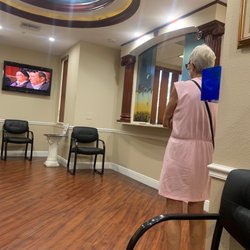
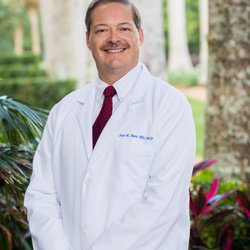
My wife and I, both senior residents of Naples in our 80s, are long-time patients of Dr. Ralph Rodriguez at Internal Medicine Partners. Without any explanation or prior notice, we were unexpectedly dismissed from his practice. On April 17, 2025, we visited Dr. Rodriguez's office to schedule our regular appointments, only to be handed identical letters stating that our patient-provider relationship was terminated immediately and without recourse. No transition period, no guidance, no referral to another provider--just an abrupt end to medical care.
The consequences have been deeply concerning. My wife, who has been treated for high blood pressure by Dr. Rodriguez for years, experienced a dangerous spike in blood pressure upon reading his letter. This spike was medically documented by another physician soon after, confirming the distress and health risk caused by this sudden termination. Abruptly cutting off a patient with an ongoing medical condition--without explanation, warning, or transition--is medically and ethically indefensible.
Florida law and medical ethics demand that physicians refrain from patient abandonment. The American Medical Association Code of Ethics (Opinion 1.1.5) states: "Physicians must notify the patient in advance and provide sufficient time for the patient to find another provider." Immediate termination without cause or alternative arrangements can constitute patient neglect, especially when ongoing medical care is required.
Standard ethical guidelines mandate at least 30 days' notice to ensure continuity of care, yet this basic duty was completely ignored. Dr. Rodriguez's actions display a blatant disregard for patient dignity and well-being, particularly for senior patients who rely on long-term care.
Due to this unacceptable behavior, we have filed a formal complaint with the Florida Board of Medicine. This pattern of abrupt, unexplained dismissals must be examined by regulatory authorities to protect patients from similar mistreatment.
This review is provided solely to inform others so they can make a fully informed decision when considering this practice for long-term care. read more