
Quartieri Spagnoli Photos

Recommended Reviews - Quartieri Spagnoli
Start your review...


Located between the Centro Storico (historic center) and Vomero Hill (raised section of town where Castel Sant Elmo is located), for many years Quartieri Spagnoli (Spanish Neighborhood) was known as a less than desirable, dangerous neighborhood. The name comes from the 16th century Spanish occupation where their soldiers lived, linked to crime and prostitution. However in recent years, the area has been re-evaluated and recognized as a part of the cultural heritage of the city, a place where the narrow alleys, laundry hanging above the streets, and local food scene represent the gritty and soulful heartbeat of Naples. One of the best places to experience this is at Pignasecca, an open air market named after "dry pine," arising from the folktale that this location was once a pine forest inhabited by magpies in the 1500s. Here there's a breadth of stalls from fresh seafood, meat and produce, to baked goods. prepared food, apparel and accessories. Street food options include cuoppo, a paper cup or often cone of fried seafood, vegetables, and/or other items, pizza a portafoglio literally "wallet pizza" because of it's smaller size and it comes folded in a piece of wax or straw paper, served piping hot, known as a local snack food, and Neapolitan tripe--stewed tender commonly prepared alla pizzaiola (with tomatoes, garlic, oregano) or stewed with beans. Other highlights of the neighborhood include murals by local street artists many featuring and dedicated to Antonio De Curtis, stage name Totó, an Italian actor, comedian, screenwriter known as "the prince of laughter," soccer star Diego Armando Maradona, and other famous Neapolitans. read more
More info about Quartieri Spagnoli
80142 Naples
Italy
Centro Storico
Directions
Hours
Food & Alcohol
Outdoor Amenities
Other Amenities


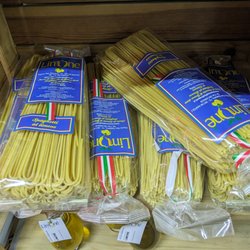


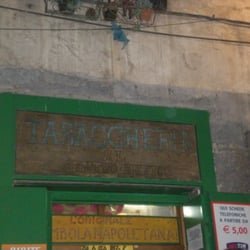


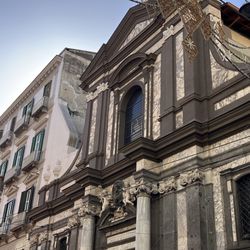









Quartieri Spagnoli - nightlife - Updated July 2026
Browse Brands
Browse Articles
People who viewed Quartieri Spagnoli also viewed

Via dei Tribunali
4 reviews
Centro Storico

Largo San Martino in Vomero
1 review
Vomero

Positano
14 reviews

Maschio Angioino - Castel Nuovo
29 reviews
Plebiscito/Centro

Scavi di Pompei
130 reviews

Teatro di San Carlo
14 reviews
Plebiscito/Centro
€€€

Murales San Gennaro di Jorit Agoch
2 reviews
Centro Storico

Caffè Mexico
7 reviews
Vomero
€

Caffé Mexico
3 reviews
Vomero
€

Cocoloco
2 reviews
€