We visited the Boboli Gardens and the Palazzo Pitti on our first afternoon in Florence, and what…read morewith the Duomo views and the Medici glamor, it was a nice introduction to the city.
The palace was originally commissioned in 1458 by a Florentine banker named Pitti. The Medicis picked it up in 1549, and it remained a ruling class residence until 1919, when it was gifted to the nation and turned into a museum. It's a giant place, literally palatial, with a kind of forbidding, fortress-like aesthetic. Seems like a weird place to live, but what do I know.
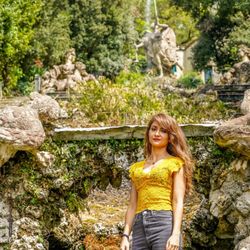
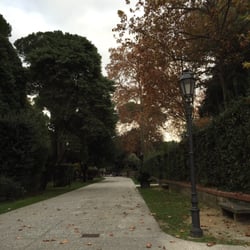
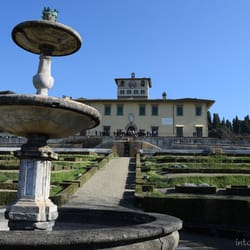
We walked in on a Wednesday afternoon, and neither the gardens nor the museum were crowded. We started with the Boboli Gardens, which were quite attractive, even in mid-November with nothing in bloom. It felt like a large, inclined park, pleasant to walk, with impressive fountains and tremendous views. There was an empty amphitheater and an ancient Egyptian obelisk. Tons of old statues, including a fenced-off 17th century work called "The Abundance," where we saw a weird lady sneak in to molest the base. We wandered up the garden's main axis and reached the Giardino del Cavaliere, an intricately landscaped walled garden with truly fantastic views.
We spent about an hour in the gardens and another hour in the Palatine Gallery, Palazzo Pitti's primary museum space. The gallery contains over 500 paintings, most of them from the Renaissance, a collection that once belonged to the Medicis and their successors. I'm sure we would've gotten more out of the visit had we taken a guided tour, but we did pretty well walking through those endless rooms on our own.
We had a good time at the Palazzo Pitti and would recommend it to anyone visiting Florence. Less mandatory than the Uffizi or the Accademia, but a great place to absorb the lavish splendor of the Medicis.