Old Fort Niagara Photos


More like Old Fort Niagara
Recommended Reviews - Old Fort Niagara
Start your review...


Reviews With Photos


Admission is $20 for an adult. I feel like the fee should be like $10-15. It's a cool place to visit. A lot of history. It's not super crowded so you won't have to worry about people's heads photo bombing your pictures. The drive here was very straight forward. You can spend 3-4 hours here. They do some have demonstrations here. Employees were very nice.


It's just a stone's throw from the Visitor's Center. After your long walk around the historic grounds of Old Fort Niagara, you can walk past your car and out of the parking lot, and you're almost there when you see the very short fence surrounding the solemn cemetery. Even a slow walk of about 4mins and you will be at the cemetery entrance. Many of the grave markers are unreadable, while others still can be read. It's obvious this solemn area hasn't been cared for well in the past, BUT also remember that this area gets a lot of extreme rain, ice and snow. Please keep your pets on leash BUT out of the area. Too many dog walkers in the state park use the park's grounds as a bathroom and I would recommend pets be kept outside the cemetery. It's not the pet's responsibility BUT the owners' job to clean up, and not just clean then throw your poop bag in a "hidden spot" as many do. Please keep your walks and visit respectful. This isn't a spot for parties or talking loud. Respect their Fight, Battles and Sacrifices please. Thank you for helping to keep the cemetery clean, quiet and to remain a place of Love, Sacrifice, Honor and - most of all - of Respect and Remembrance.


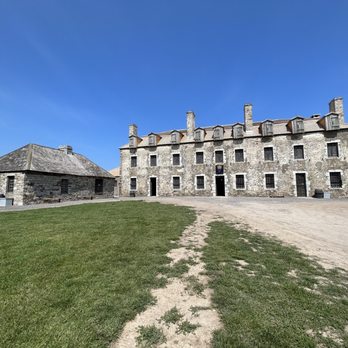
Beautiful, historic place worth visiting! Located on the Niagara River. Learned a lot from the tour guide. The fort was occupied by three nations: France, Great Britain, and the United States. Loved seeing the cannon ball and being able to visit this historic landmark on vacation.


Great place to learn history. If it's sunny, bring a hat or sunscreen because its a lot of outdoor walking. A shuttle can get you there or you will need a car as it's not near transit.


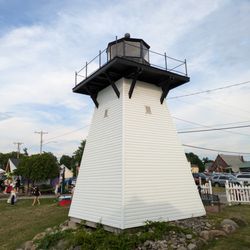
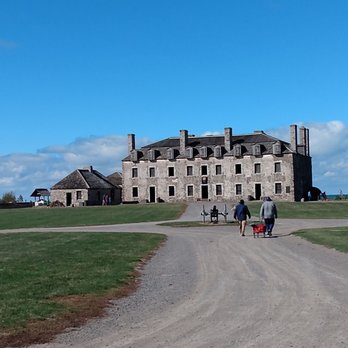
The second activity of the second day of our Western New York family vacation (Day 2, Venue 2) was the Fort Niagara State Park in general, and Old Fort Niagara in specific. Operated since 1927 by a not-for-profit dedicated to the historic preservation of the site and providing interpretive programming, we were very excited to spend the afternoon exploring this living history museum! Taking up 250 acres of the state park's 504 acres, Old Fort Niagara is comprised of a modern museum and visitor center, the 1872 Fort Niagara Lighthouse, the North and South Redoubts which were built by the British in the 1770s, the Powder Magazine which was built by the French in 1757 for storing up to 50 tons of gunpowder, the Hot Shot Furnace built by the Americans in 1843 to heat cannon balls red hot, the Bake House built by the British in 1762 to replace the French-built original from the 1740s which was destroyed by fire, the long stone Provisions Storehouse built by the British in 1762 to hold 7000 barrels of food, the Gate of Five Nations rebuilt in 1930 to the same specifications as the French-made 1756 gate named in honour of the nations of the Haudenosaunee Confederacy, the Dauphin Battery of cannons covering both the gate and the lower river, and the crown jewel of the fort, the French Castle. Built by the French in 1726 and called La Maison a Machicoulis, the three-story 'castle' is reputed to be the oldest building in the Great Lakes Basin. The history of the fort is deep and rich, with the area originally controlled by the Seneca people of the Iroquois League, until the French built their first wooden fort there in 1679 in order to better manage the fur trade. Controlling the mouth of the Niagara River where it empties in to Lake Ontario, the strategic site was expanded many times until it was captured by the British in 1759 during the French and Indian War. A Loyalist base in New York during the American Revolution, the fort was technically ceded to the United States in 1783, but the British retained control of it until the Jay Treaty was signed thirteen years later. During the War of 1812, the British re-captured the fort during a daring nighttime raid, and held it until the war's end. Soldiers were trained on-site for the Spanish-American War and World War I, and it served as a POW camp for 1200 German soldiers captured during World War II. While the US Army deactivated the fort in 1963, the Coast Guard continues to operate on the riverbank bottomland below the fort. As a family, we absolutely loved this historic site, and really appreciated the generations of work that went into restoring it. We found the museum to be modern and thoughtfully designed, the grounds well kept, and the historic buildings well documented with an uncommon eye for detail which impressed even our history buffs. We especially liked the vivid descriptions of the lives of the common soldiers stationed at the fort across the eras, French, British, and American. Likewise the passion and infectious enthusiasm of the reenactors really made the site come alive. I mean, who else is going to wear a wool uniform in the heat and humidity of a mid-summer afternoon?! Overall our family had a wonderful time exploring Old Fort Niagara and we would be delighted to return in order to delve deeper into its rich history!


My families' goal is to go to every state park that NY has to offer. Touring this one allowed us to check off one more! It was so awesome to see everything that was preserved and maintained throughout history. I loved reading and listening about our history as a nation. While we were there we even got to see a musket demonstration. So cool to watch! I definitely want to come back here when the kid is older to learn more and spend more time in the museum!
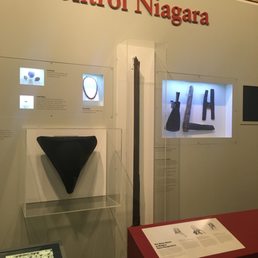

We came in the winter and really enjoyed our visit. You have to drive through the state park to get to the fort but we didn't have to pay the park entrance since it was late December. The fort has its own parking lot, and you enter through the visitors center. There are bathrooms, the admission desk, and a gift shop as soon as you enter. There's a AAA discount that saves you $1/ticket. In the visitors center building you can learn about the history of the fort, see the giant historic flag, watch the 15 minute video that plays every hour, and there was a special exhibit featuring the artwork of a former POW at the fort. We spent 45 minutes in this building. Outside, you can enter several of the historic buildings but some of them were closed for the winter. You can also enjoy some nice views of the Niagara river and Lake Ontario as well as musket demonstrations. Overall we had a pretty good experience, and found it very interesting! Suggested areas for improvement would be to fix the interactive stations that were non-functional (there were a few), and perhaps offer a discounted admission during the off-season since we weren't able to experience the entire fort.

Really interesting historical site that is incredibly well preserved/restored on a beautiful setting on the Niagara River and Lake Ontario w/ views of Toronto on a clear day. Even on a summer Sunday, we were pleasantly surprised by the small crowds - this seems like a hidden gem. Worth a trip to the area, and certainly worth a stop if visiting Niagara Falls and other area attractions. Tip: there is very little food available, so plan to pack a picnic meal or bring snacks...you might stay longer than planned.


Visited the Fort on a Sunday afternoon. To get there, we drove through the state park first, paid our $8 admission to it, but you receive a credit at the Fort when you pay for the Fort admission ($13 a person). Parking is free. The first thing you might want to do is go through the small museum, read some of the story boards, and watch the short video (under 15 minutes) about the wars and how this Fort was used and defended itself. Next, walk out to the Fort and enjoy the old building where soldiers stayed. There's also a cross, kitchen, and a couple of towers to checkout. A good amount of walking and it is very interested. There was staff there firing muskets every 15 minutes. Also, don't forget to enter Door #5 to see a topography of the fort and other interesting items. Lastly, there's the gunpowder room to see. All in all, an excellent outing that is very historical.

This fort played a pivotal role in the history of colonial America, and is an extremely rare example of large-scale, 18th-century military architecture in the U.S. It's a must-see for any history lover. Besides the impressive buildings, the historical reenactors really know their stuff and dress in authentic period costumes -- and they're quite funny to boot. There's also an excellent small museum with a huge, lovingly restored American flag from the War of 1812. If you're in Niagara to see the falls, it's very easy to get here and is definitely worth the trip!


This is a historic landmark worth visiting. This place makes a great day trip, date, or day out with kids. Very educational, and your $15 admission fee helps preserve a piece of history which we should be very proud of.


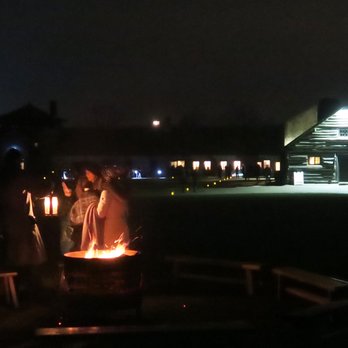
I don't remember when I had first heard about 'Castle by Candlelight' but I wanted to visit Old Fort Niagara on one of the rare evenings and, finally, I eagerly did it a few nights ago. Although the night was chilly, it wasn't bone-tingling and there was no wind. It was still and beautiful. The grounds and building interiors were illuminated by candlelight. Folks were dressed up in costumes of the period. Food was being made by the heat of wood fires, old-timey craft-making engaged children, and I wandered through it all like a ghost caught in time. It was wonderful. I hadn't prepared for the evening by bringing the right camera so I crossed my fingers as I took my photos. Fortunately, some turned out okay so I got some memories. For some families, they got more memories because they make this a yearly ritual. This event isn't widely known but locals are tuned in: by the time I left, the parking lots were filled to capacity and lines of people were streaming in under the light of the night sky.


This Old fort (play off this old house) is like a time capsule. From the stone archways to coast of arms, this fort has it all. Embankments round out the design and include cannons. What I like about this Fort in particular is that there a substantial museum that you go through before the fort. Most places I've been to have a video and an exhibit, but this museum contains multiple exhibits!


Old Fort Niagara was amazing. There were people dressed in the time period outfits and shot muskets and cannons. The dirt is amazingly well preserved and maintained. It is larger than I expected and has a beautiful location right in the river. It was worth the price and worth the trip. There is also a museum which is also quite fascinating. If you any kind of fan of history, you have to swing by. Note: Some of the pics have a yellowish haze because of the huge fires in Canada at the time. read more

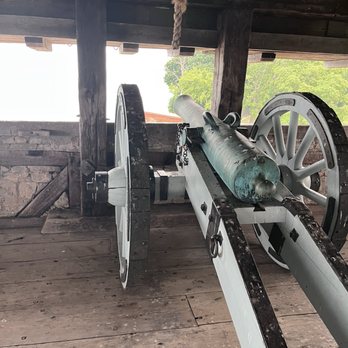
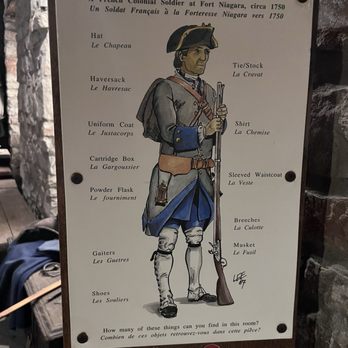
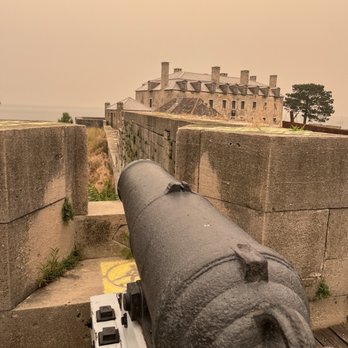


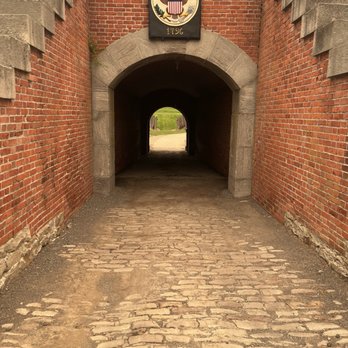


This is a nice visit for history buffs. The grounds are well maintained and the views are beautiful. It is a little pricey for admission but I do understand the need for funds to help with the upkeep/fundraising. There are several buildings with informative displays and many pieces of history to look at. There is a lot of walking so be warned, especially on a hot sunny day. There are cannon and musket demonstrations as well. read more


Admission is $20 for an adult. I feel like the fee should be like $10-15. It's a cool place to visit. A lot of history. It's not super crowded so you won't have to worry about people's heads photo bombing your pictures. The drive here was very straight forward. You can spend 3-4 hours here. They do some have demonstrations here. Employees were very nice. read more


It's just a stone's throw from the Visitor's Center. After your long walk around the historic grounds of Old Fort Niagara, you can walk past your car and out of the parking lot, and you're almost there when you see the very short fence surrounding the solemn cemetery. Even a slow walk of about 4mins and you will be at the cemetery entrance. Many of the grave markers are unreadable, while others still can be read. It's obvious this solemn area hasn't been cared for well in the past, BUT also remember that this area gets a lot of extreme rain, ice and snow. Please keep your pets on leash BUT out of the area. Too many dog walkers in the state park use the park's grounds as a bathroom and I would recommend pets be kept outside the cemetery. It's not the pet's responsibility BUT the owners' job to clean up, and not just clean then throw your poop bag in a "hidden spot" as many do. Please keep your walks and visit respectful. This isn't a spot for parties or talking loud. Respect their Fight, Battles and Sacrifices please. Thank you for helping to keep the cemetery clean, quiet and to remain a place of Love, Sacrifice, Honor and - most of all - of Respect and Remembrance. read more

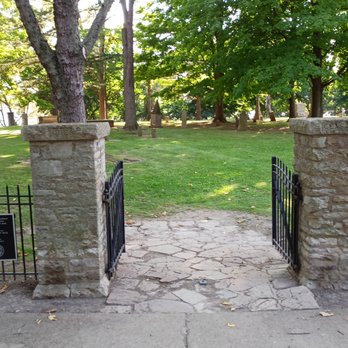


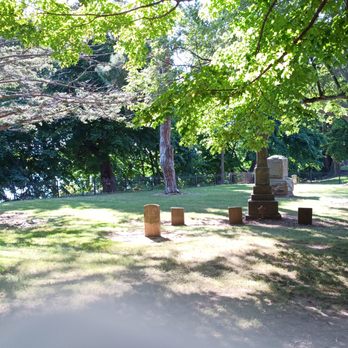

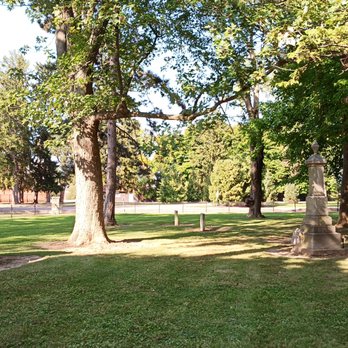


Beautiful, historic place worth visiting! Located on the Niagara River. Learned a lot from the tour guide. The fort was occupied by three nations: France, Great Britain, and the United States. Loved seeing the cannon ball and being able to visit this historic landmark on vacation. read more


2 years ago
Great place to learn history. If it's sunny, bring a hat or sunscreen because its a lot of outdoor walking. A shuttle can get you there or you will need a car as it's not near transit. read more


4 years ago
The second activity of the second day of our Western New York family vacation (Day 2, Venue 2) was the Fort Niagara State Park in general, and Old Fort Niagara in specific. Operated since 1927 by a not-for-profit dedicated to the historic preservation of the site and providing interpretive programming, we were very excited to spend the afternoon exploring this living history museum! Taking up 250 acres of the state park's 504 acres, Old Fort Niagara is comprised of a modern museum and visitor center, the 1872 Fort Niagara Lighthouse, the North and South Redoubts which were built by the British in the 1770s, the Powder Magazine which was built by the French in 1757 for storing up to 50 tons of gunpowder, the Hot Shot Furnace built by the Americans in 1843 to heat cannon balls red hot, the Bake House built by the British in 1762 to replace the French-built original from the 1740s which was destroyed by fire, the long stone Provisions Storehouse built by the British in 1762 to hold 7000 barrels of food, the Gate of Five Nations rebuilt in 1930 to the same specifications as the French-made 1756 gate named in honour of the nations of the Haudenosaunee Confederacy, the Dauphin Battery of cannons covering both the gate and the lower river, and the crown jewel of the fort, the French Castle. Built by the French in 1726 and called La Maison a Machicoulis, the three-story 'castle' is reputed to be the oldest building in the Great Lakes Basin. The history of the fort is deep and rich, with the area originally controlled by the Seneca people of the Iroquois League, until the French built their first wooden fort there in 1679 in order to better manage the fur trade. Controlling the mouth of the Niagara River where it empties in to Lake Ontario, the strategic site was expanded many times until it was captured by the British in 1759 during the French and Indian War. A Loyalist base in New York during the American Revolution, the fort was technically ceded to the United States in 1783, but the British retained control of it until the Jay Treaty was signed thirteen years later. During the War of 1812, the British re-captured the fort during a daring nighttime raid, and held it until the war's end. Soldiers were trained on-site for the Spanish-American War and World War I, and it served as a POW camp for 1200 German soldiers captured during World War II. While the US Army deactivated the fort in 1963, the Coast Guard continues to operate on the riverbank bottomland below the fort. As a family, we absolutely loved this historic site, and really appreciated the generations of work that went into restoring it. We found the museum to be modern and thoughtfully designed, the grounds well kept, and the historic buildings well documented with an uncommon eye for detail which impressed even our history buffs. We especially liked the vivid descriptions of the lives of the common soldiers stationed at the fort across the eras, French, British, and American. Likewise the passion and infectious enthusiasm of the reenactors really made the site come alive. I mean, who else is going to wear a wool uniform in the heat and humidity of a mid-summer afternoon?! Overall our family had a wonderful time exploring Old Fort Niagara and we would be delighted to return in order to delve deeper into its rich history! read more


My families' goal is to go to every state park that NY has to offer. Touring this one allowed us to check off one more! It was so awesome to see everything that was preserved and maintained throughout history. I loved reading and listening about our history as a nation. While we were there we even got to see a musket demonstration. So cool to watch! I definitely want to come back here when the kid is older to learn more and spend more time in the museum! read more


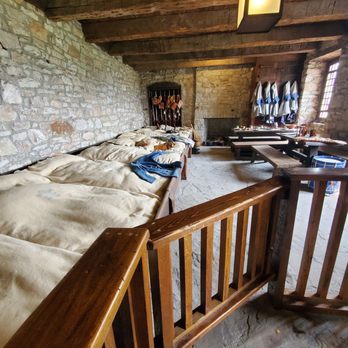


We came in the winter and really enjoyed our visit. You have to drive through the state park to get to the fort but we didn't have to pay the park entrance since it was late December. The fort has its own parking lot, and you enter through the visitors center. There are bathrooms, the admission desk, and a gift shop as soon as you enter. There's a AAA discount that saves you $1/ticket. In the visitors center building you can learn about the history of the fort, see the giant historic flag, watch the 15 minute video that plays every hour, and there was a special exhibit featuring the artwork of a former POW at the fort. We spent 45 minutes in this building. Outside, you can enter several of the historic buildings but some of them were closed for the winter. You can also enjoy some nice views of the Niagara river and Lake Ontario as well as musket demonstrations. Overall we had a pretty good experience, and found it very interesting! Suggested areas for improvement would be to fix the interactive stations that were non-functional (there were a few), and perhaps offer a discounted admission during the off-season since we weren't able to experience the entire fort. read more


Really interesting historical site that is incredibly well preserved/restored on a beautiful setting on the Niagara River and Lake Ontario w/ views of Toronto on a clear day. Even on a summer Sunday, we were pleasantly surprised by the small crowds - this seems like a hidden gem. Worth a trip to the area, and certainly worth a stop if visiting Niagara Falls and other area attractions. Tip: there is very little food available, so plan to pack a picnic meal or bring snacks...you might stay longer than planned. read more
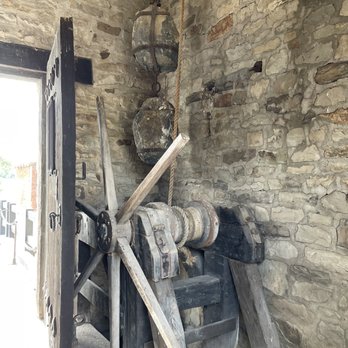


Visited the Fort on a Sunday afternoon. To get there, we drove through the state park first, paid our $8 admission to it, but you receive a credit at the Fort when you pay for the Fort admission ($13 a person). Parking is free. The first thing you might want to do is go through the small museum, read some of the story boards, and watch the short video (under 15 minutes) about the wars and how this Fort was used and defended itself. Next, walk out to the Fort and enjoy the old building where soldiers stayed. There's also a cross, kitchen, and a couple of towers to checkout. A good amount of walking and it is very interested. There was staff there firing muskets every 15 minutes. Also, don't forget to enter Door #5 to see a topography of the fort and other interesting items. Lastly, there's the gunpowder room to see. All in all, an excellent outing that is very historical. read more


2 years ago
This fort played a pivotal role in the history of colonial America, and is an extremely rare example of large-scale, 18th-century military architecture in the U.S. It's a must-see for any history lover. Besides the impressive buildings, the historical reenactors really know their stuff and dress in authentic period costumes -- and they're quite funny to boot. There's also an excellent small museum with a huge, lovingly restored American flag from the War of 1812. If you're in Niagara to see the falls, it's very easy to get here and is definitely worth the trip! read more


This is a historic landmark worth visiting. This place makes a great day trip, date, or day out with kids. Very educational, and your $15 admission fee helps preserve a piece of history which we should be very proud of. read more


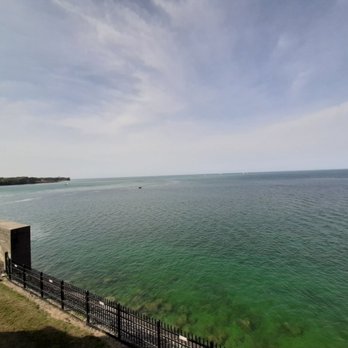

I don't remember when I had first heard about 'Castle by Candlelight' but I wanted to visit Old Fort Niagara on one of the rare evenings and, finally, I eagerly did it a few nights ago. Although the night was chilly, it wasn't bone-tingling and there was no wind. It was still and beautiful. The grounds and building interiors were illuminated by candlelight. Folks were dressed up in costumes of the period. Food was being made by the heat of wood fires, old-timey craft-making engaged children, and I wandered through it all like a ghost caught in time. It was wonderful. I hadn't prepared for the evening by bringing the right camera so I crossed my fingers as I took my photos. Fortunately, some turned out okay so I got some memories. For some families, they got more memories because they make this a yearly ritual. This event isn't widely known but locals are tuned in: by the time I left, the parking lots were filled to capacity and lines of people were streaming in under the light of the night sky. read more



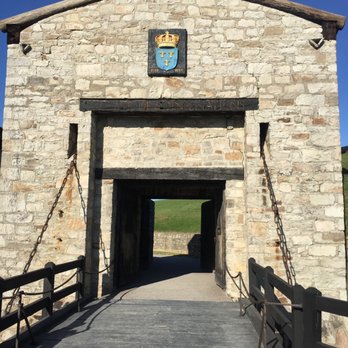
This Old fort (play off this old house) is like a time capsule. From the stone archways to coast of arms, this fort has it all. Embankments round out the design and include cannons. What I like about this Fort in particular is that there a substantial museum that you go through before the fort. Most places I've been to have a video and an exhibit, but this museum contains multiple exhibits! read more






6 years ago
Wonderful experience visiting for the afternoon. We went columbus day weekend and we're pleasantly surprised that they were hosting educational events and reenactments of the time. read more



9 years ago
There are a lot of tourist trap places you could visit in the Niagara area as a whole. But if you want a real authentic experience even if you're not a huge history person then Old Fort Niagara should be a no doubt about it stop. The history of Old Fort Niagara spans more than 300 years. This in and of itself is not that terribly interesting but what is interesting is that the fort was occupied at different times by France, Great Britain and the United States. The French established the first trading post here in the 1670's. The impressive French Castle was built in 1726 and even though it was initially called A House of Peace and was supposedly only built as a trading post it's no doubt what it's true purpose was, a military fort. The fort served to help control access to the Great Lakes and the westward route to the heartland of the new world. During the French and Indian War the British take control of the fort in 1759. They eventually lose it to the United States in 1796 but the British route the US out during the War of 1812 only for it to be returned to the US in 1815 via the Treaty of Ghent. Since that time the fort was modernized for the Civil War as the North was afraid that a British alliance with the South would lead to fighting along the Canadian border. The fort was then used as a training center for troops during the Spanish American War & WWI. Too small to be a WWII training base the fort was used as a reception center for recruits and eventually housed German and Austrian prisoners of war. Fort Niagara was declared surplus at the end 1945, and many of the buildings were converted to temporary housing for veterans. Plans to convert the New Fort to a park were developed in the late 1940s, but the Korean War intervened and Fort Niagara was reoccupied in 1950. Anti-aircraft troops were stationed there from 1952 until the last military units were withdrawn in 1963. Even today there is still technically a military presence at the fort with the Coast Guard station that is located below the fort along the Niagara River. What this all equals out to is a fantastic experience as over the years many renovations have been done and aside of the main fort (The French Castle) there are several other well preserved building and structures at the site which give you a very authentic feel to what it would have been like to be stationed here in the 18th and 19th century. If you go: There are all sorts of special events going on here year round. The organization that runs the fort does a great job trying to get people to come this far north off the beaten tourist path. You have tons of school group activities from daytime programs, overnight programs to various annual encampments to daily in season musket demonstrations-hourly guided tours-18th century cooking demonstrations-their small lighthouse is open-mortar firing demonstrations plus a whole lot more. www.oldfortniagara.org/daily-programs www.oldfortniagara.org/calendar/list/current_page,1/per_page,10 The fort is open daily year round from 9-5 except for July & August when it's 9-7. Admission is a little steep at Adults: $12.00, Children (6 to 12 years old): $8.00 and Children (5 and under): FREE. Being a member of AAA, a senior citizen or member of the military only knocks a dollar off the price. If there is one downside to coming here it would sort of be the price but honestly the price is very understandable when you see the condition of the buildings and how they are displayed plus all of the daily programming. As much as I'm an advocate for the NPS, if this were run by the NPS it would be a shadow of what it currently is and likely would be a comparative mess. (The view isn't half bad either. Being able to see Toronto with at least some detail with the naked eye was an unexpected surprise.) read more


7 years ago
My guy loves history so while visiting Niagara Falls, we drove across the US border up to Old Fort Niagara. It was interesting and I liked it. There's lots to see and walk though and go up inside. And there's a great view of Lake Ontario too. I learned a lot. I loved the fur trader building & we learned about all the animals that were trapped back in the day & their furs traded. Worth a visit! read more


"Old Fart Niagara" is definitely for the young, hip cannonball-shooting crowd! Oh, by the way, the little ones fart as much as the old ones. All the rifles, bayonets and gun powder seen were more fun than the most violent video game. What an amazing place to visit commented a fourth grader after the school field trip was underway. After studying the colonial era in their social studies unit, a visit to this historic landmark was perfect. This is a must-see place in Western New York! read more


3 years ago


"Old Fart Niagara" is a tourist attraction that only miserable elderly people tend to visit. Hence the name. In fact I'm just kidding. If younger people (or most people for that matter) skip this place on their travels, then its to their own detriment, because it's lovely up here... and haunting. I've been in midwinter and in midsummer and it's much, much, much nicer in the latter. When it's cold it's absolutely horrendous here, it's like being in Siberia. You're right next to the lake and it's pitch black from 5pm onwards and you have never felt cold like this in your life. Summer is another experience entirely. It smells lovely here and you can see Toronto right across the water on a clear day. The Old Fort is clearly haunted. Come and see for yourself. From the moment you step inside (especially when it's dark, late, and closed, and you sneak inside, not that I ever would, nor would my brother, hehee), you know that you're dealing with a haunted ghostly place. It's known as OFN to its friends. I'm writing this update to add the pix to the review, and also to say that they also have tons of soccer fields here, which I used to play on regularly in Summer and Fall back in the day. It's a lovely location to play, even though it's out of the way if you live closer to Buffalo. If you're in WNY and have never been to OFN, make sure you come. And if you don't like it, send me a message titled "Oh F*** No." read more


I'm historic fort buff. If there is an old fort to be seen, I see it. Old Fort Niagara is one of the most outstanding; by far one of the best. The fact that it started as a French fort is overwhelmingly evident by in its design. French forts always seem to have more charm than do British, Spanish or American forts which might be the reason the French lost most of them, but that is beside the point. The location of this fort overlooking the water and the beauty of the ground are top notch. I don't know if it was such a great site for a fort, but it is a wonderful site for tourists. The best time to go is on the 4th of July when you find a lot of the Americans dressing up as British and French soldiers as well as Indian warriors. To my surprise, the Americans do a pretty good job of it too. Touring the replica encampments and visiting with everyone is total fun hoot. It's all very realistic right down to when they fire off those cannons during the battle reenactment, shaking the ground with the booming of the blasts which consequently sets off all the burglar alarms in the parked cars. That is if they had parked cars during the French and Indian War. read more


2 years ago

Old Fort Niagara is definitely worth the drive up to Youngstown. The fort is on the grounds of Fort Niagara State Park, where you can find a pool, beach, picnic area, boat launch and sports fields. You can easily visit the Old Fort and then make a day in the state park. Old Fort Niagara sits at the end of the Niagara River where it meets Lake Ontario. The views are beautiful and on a clear day you can see Toronto in the distance. Upon entering, there is a museum and a video to introduce you to the history of the area. Then you follow the path to the fort itself. There is staff available for guided tours or questions, or you can just take a self-guided tour of the fort. There is usually a soldier in period garb ready to do a musket firing demonstration and often the castle has demonstrations too. On my recent visit, the demonstration was about the fur trade and how important it was to the area. This is a great place to visit during these strange pandemic times, since most of it is outdoors. The towers are well ventilated just due to their openness. The museum and theater were not crowded and therefore felt safe too. read more

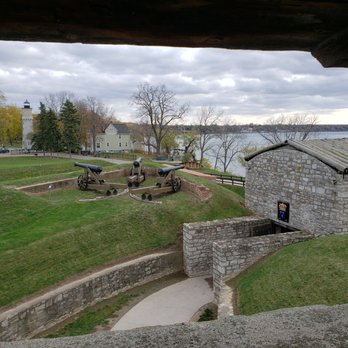


Great historical landmarks preserved to perfection. All staff/workers were very nice. Just wished the demonstration of the soldier was longer. Other than that, everybody was accommodating to visitors's questions. Great place to visit if you like looking at historical landmarks! read more


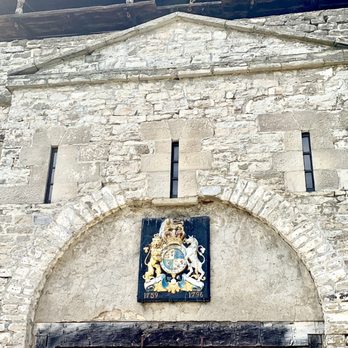


8 years ago

6 years ago
After seeing Niagara Falls, we drove 12 miles on the Niagara Scenic Parkway to Old Fort Niagara, located on Lake Ontario. What a wonderful surprise! It is located within a state park and we paid $8.00 to enter the park, and then $15/adult and I believe under 12 was free, to tour the fort. My husband and I (and even my 10 year old grandson) found the fort quite interesting, and the setting on Lake Ontario was impressive. The park guides were knowledgeable and personable. The icing on the cake was the gigantic pool located within the park! The pool would probably hold 200 people, and because it was a Tuesday and the end of the Summer (and 2020!), there were only about 20 people swimming! Very nice, recently built bath house with clean dressing rooms, showers, etc. I never expected it and was glad we had our suits in the car! No charge to swim either, although someone mentioned it's usually $3.00 a person. Water was immaculate, as well as the entire facility. Afterwards, we sat on a picnic table and watched monarch butterflies while pondering the vastness of Lake Ontario. This was a great find and really gets you away from the tourist atmosphere of Niagara Falls in about 20 minutes. There were some other smaller parks on the ride back to the Niagara Falls area. Whirlpool Park, and Devils Hole offered hiking, and also scenic overlooks that were definitely worth stopping for! read more
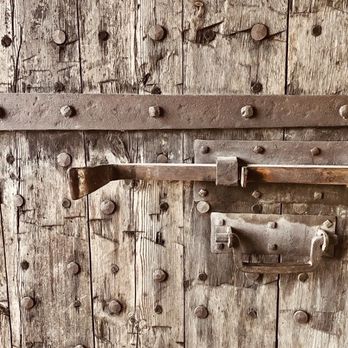


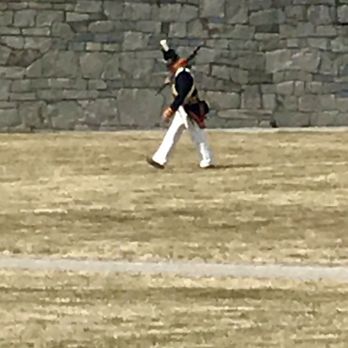


10 years ago
I'm not a military history buff, but I like visiting old forts, wandering through the buildings and passageways and taking in the higher ground views. If you're visiting Niagara Falls, Old Fort Niagara is worth a drive up from downtown Niagara Falls. Old Fort Niagara was first a French fort, then a British fort, and finally an American fort. You can see both French and British elements throughout the fort. The visitor center has a huge American flag from 1812 on display. There were only self-guided tours when I visited, but I often prefer that, so I can stop longer at places that interest me. The front desk staff member kindly started the video for us, since no one was already watching it. The fort is nicely maintained. The walking surfaces can be uneven in places, and the interiors of some of the buildings were quite cold, but much of the fort is open to the public. If it's clear enough, you can see Toronto across the water in the distance. There are hourly musket firing demonstrations, given by an employee in a British infantry uniform. It would have been neat if there were more activities like this going on, but we still enjoyed our hour and a half visit. If anyone in your party is a member of AAA, everyone in the group gets a $1 off admission. read more


9 years ago
History buff? If yes, this place is for you. Staff are amazingly knowledgable with fantastic stories. They are all eager to share the history of this beautiful d Fort. This is a must do if in the area or looking for a bit of adventure. read more


13 years ago
Another place that I think it deserves more reviews than it should have been. This place is filled with history and preserved site with great scenery since 1700s!! This is the site where the actual war happened. It is only 15 mins away north of the niagara fall. And the admission as I remember is around $6. Forgot to mention this is a visit about 5 months ago, went there during spring time. It is gorgeous! Grass is green, sky is blue, with the rustic colors of the old fort. Do not missed demonstration of firing musket. Its quite educational and it takes you back in time with this landmark on how things were. It is a hugh space to go thru. Save about a good 1 to 2 hours to really enjoy this place but sitting on edge of the walls amd look out to the lake ontario. Enjoy the air of history! read more


10 years ago
I am not expecting myself to enjoy the place but I DID. We were here early windy Saturday fall morning. We were given only an hour to explore the place on our own by our tour guide. If you are a history buff- the allotted time wont be enough to enjoy the whole entirety but we tried to see the best of it. It's a walk to enter the Old Fort from the admission gate but gave us a good opportunity to enjoy the view of the lakes. Too bad it was not a clear day during our visit to see the beautiful city of Toronto across the waters. At the fort entry, we were welcome by an actor dressed up as British soldier and entertained us with "firing his rifle musket" demonstration. He was so friendly and welcomed the tourists who wanted a photo taken with him. And we continued to explire the expansive fort. There were actors dressed in -18th to 19th time and acted us our hosts and guides. We transport from one to another old and original buildings where the British, US, French and Native American soldiers used to live. The museum exhibits artifacts during the era that's very informational. It was nice to step back in time. I heard that during summertime , reenactments, fairs , festivals are part of the park's activities. They offer simple and reasonable amount snacks in one of the historic buildings. Restrooms are clean. The grounds are huge where children will definitely own the space. Good view of the surrounding lakes. A nice stop-over place when in the neck of the woods. read more
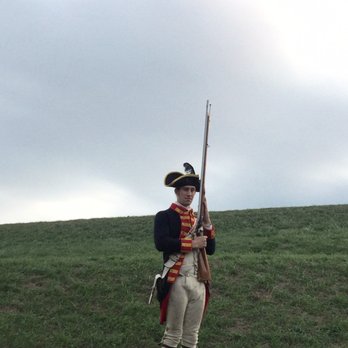


5 years ago


Stepping into Old Fort of Niagara is definitely taking a step into history. All the buildings are original, and most of the items inside are restored. Every hour they do the Musket shoot. When we visited a French Soldier came out and talked about his uniform and weapons. Then he fired a shot from the Musket. Very cool and interesting. You have to pay to get into the Old Fort, but the State Park is free access. All kinds of sport activities to do during the summer months. I'm sure they have different war activities, didn't have anything this time. Old Fort sits facing Lake Ontario. You can see a little of Canada and Toronto on the other side. Will definitely visit this place again some day! It was worth a trip! read more


5 years ago
Page 1 of 3
More info about Old Fort Niagara
Ask the Community - Old Fort Niagara
I'm disabled. Are there benches or places to rest while walking around the fort?
While much of the fort is flat, there are many other areas/sights available by steps, mounds and hills. Coming out of the visitors' center, you can use a ramp to get to the grounds, then abt 20min to the entrance of the fort, then another 15min roll…
How much is admission for an adult?
From the Ft Niagara website: General Admission Adults: $15.00…