
Old Beijing Photos


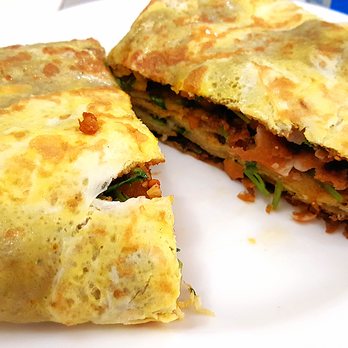


OLD BEIJING ATMOSPHERE
What's the vibe?


Recommended Reviews - Old Beijing
Start your review...


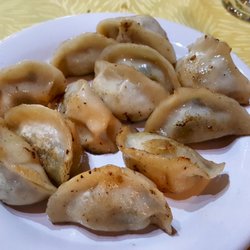
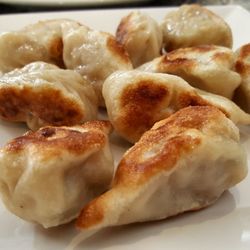
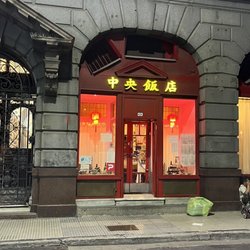
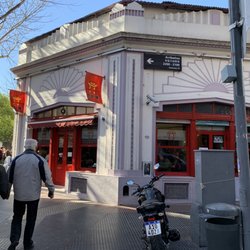
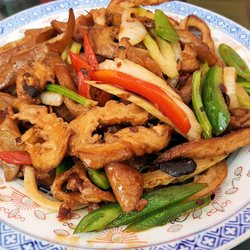
New Chinese restaurant opened for less than 2 months. So new that there are no signs outside! Great entrees, but menu is hand written in Chinese. My favorites include the tomato egg soup, stir fry egg plants, sauté lettuce, and Kung pao chicken. All goes really well with rice. I got the life story from the mom and pop of this restaurant. Food comes out slow since only pop is the cook while the wife monitors out front, but I've learned that for the Argentinan culture, meals last a long time. read more


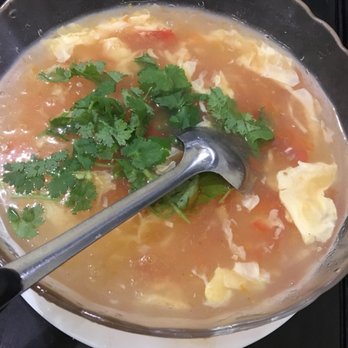
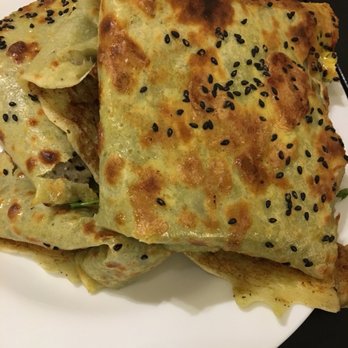

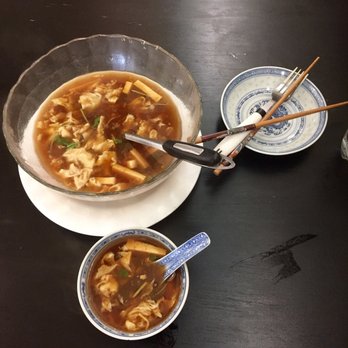
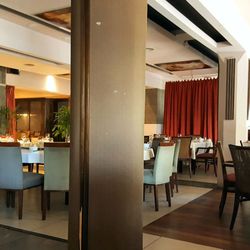
Old Beijing: wow! What can I say the reviews and the food did not disappoint. They actually had hot and sour soup that tasted good. First, you never see that on a menu out here and 2nd if you so it's a weak attempt. I'm not saying it's the best I ever had; however it was a good attempt and they brought me a quite sizable bowl. I think it could have easily been shared between 4 people. The place is small maybe 9 tables and seemed to be run by an elderly Asian couple. Sweet as can be and she cooked up a heck of a kung pao Chicken. The best Asian food I've had since I left the states. Easily a 5 star rating by any standards. If you're in the mood for Chinese food I'd aim to get over to Old Beijing. Huge bowl of soup, main course with rice $700 pesos. read more

8 years ago
If we were talking purely the food, this would be five stars, it's excellent. But the attitude of "for you non-Chinese people, we have fried rice or stir fry noodles", and declining to translate any of the menu from Chinese into Spanish, is off-putting. They did warm up a bit after we asked about a few dishes that we'd hoped they'd have, and they did have one, and something similar to another, but it was like pulling teeth to order what ought to be a simple meal. Given that the son, at least, speaks fluent Spanish, it would be easy for them to translate the menu and treat non-Chinese customers like they were welcome. read more


8 years ago

8 years ago

8 years ago
More info about Old Beijing
Esmeralda 877
C1007ABI Buenos Aires
Argentina
Retiro
Directions
Hours
Food & Alcohol
Outdoor Amenities
Other Amenities













Why does Yelp recommend reviews?
1 review that is not currently recommended
The reviews below are not factored into the business's overall star rating.

7 years ago


