Oktoberfest Photos


Recommended Reviews - Oktoberfest
Start your review...


Reviews With Photos
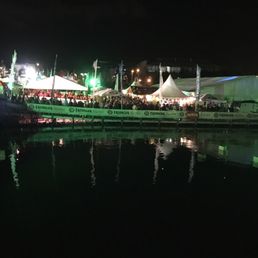

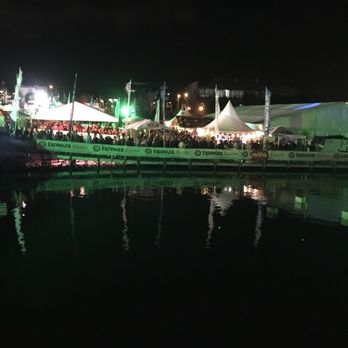
I came at the worst time possible; a Saturday night around 9 pm and this place was was crowded as a concert, and the queue extended all the way around the main area and back up to the Luas stop with an estimated wait for what seemed like over three hours. You would think there was a Rihanna signing event or something. Food was mostly sausages, fried pizza, chocolate pretzels, crepes and a Haribo booth which was pretty mediocre. The beer prices were somewhat steep, but food prices were not too bad. They also had a water station near the beer booth which I've honestly never seen before. Although this is a German event, I expected the even to be more 'German' in terms of atmosphere but it didn't seem too different from Temple Bar, and the whole place was extremely crowded. However, I did like the lively atmosphere and if it weren't for the massive queue, it would have been great to get into the main area. The one odd thing I noticed was that lots of people (at least 20-30) were coming out, but the guy at the guy wasn't letting any more in so I didn't really get how one eventually gets in. We had drinks in Ely and stayed for 3 hours until 12pm, and there was still a pretty big queue so we gave up even trying. Overall: It could have been better, but the lively atmosphere was probably the best thing. Price: 3/5 (drinks are expensive, but entry is free) Atmosphere: 4/5 (night) Food: 1/5 Drinks: 4/5


11 years ago
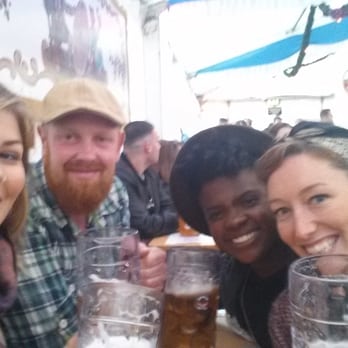
I love all things German so always make an effort to get down to Oktoberfest and soak up a bit of the atmosphere...except this year there was a bit more of an 'Irish Festival' vibe, not exactly what I was looking for! We got down there around half six on a Saturday and didn't have to queue to get in. We also got seats at the edge of one of the tables really quickly, which was handy as it would have been awkward standing with the volume of people moving through. We got the obligatory pints of Erdinger which were fine, but at €6.50 a pop you would expect them to be full, which they weren't. I then went in search of some proper German Bratwurst. A lot of the stalls were selling hot dogs with frankfurters but if you want a proper bratwurst there's one stall beside the entrance (looks like a wooden cabin) and you can get a really tasty hot dog here for €5.50, not bad given the size of the portion. They also had some other dishes here like fried potatoes with saurkraut and these looked really good too. After a while we tried some gourmet popcorn with melted marshmallow (€4) and a cinnamon pretzel (€2.50) from two of the stalls and both were really tasty. We hung around for a couple of hours but at around half nine we decided to move on as things were getting a bit messy. While I love the food and drink associated with Oktoberfest, I'm not really a fan of the 'Irish Festival' vibe and that's what was on offer down here, becoming progressively more present as the night went on. Also, we saw three ambulances arrive during our time there and given the fact thay we were down there quite early this was quite concerning. I will go back to Oktoberfest next year but I'll be heading down early and leaving early! read more

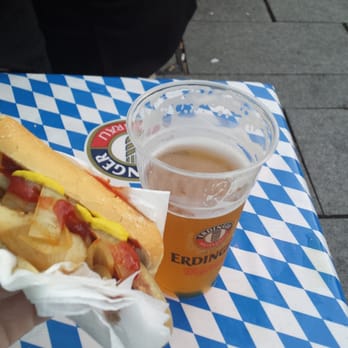


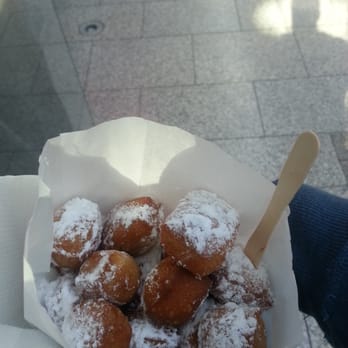
Just reviewing the food here. I have been before in previous years for the beer but haven't made it this year. And being honest I don't miss it much!! Overpriced and a very pale impersonation of an actual German style beer festival. I was at a great little hob festival in a wee place in Belgium called Poperinge and it was 10 times the fun that Dublins one is. The food though. I went for the wurst with fried onions and a sweet mustard topping and shared some sauteed potatoes with a mate. Filling and pretty tasty. Followed this the the doughballs. And again while tasty, they felt like they had been sitting out for quite a while. So this place is a yearly tradition that I'll probably not bother to keep any longer!! read more


I came at the worst time possible; a Saturday night around 9 pm and this place was was crowded as a concert, and the queue extended all the way around the main area and back up to the Luas stop with an estimated wait for what seemed like over three hours. You would think there was a Rihanna signing event or something. Food was mostly sausages, fried pizza, chocolate pretzels, crepes and a Haribo booth which was pretty mediocre. The beer prices were somewhat steep, but food prices were not too bad. They also had a water station near the beer booth which I've honestly never seen before. Although this is a German event, I expected the even to be more 'German' in terms of atmosphere but it didn't seem too different from Temple Bar, and the whole place was extremely crowded. However, I did like the lively atmosphere and if it weren't for the massive queue, it would have been great to get into the main area. The one odd thing I noticed was that lots of people (at least 20-30) were coming out, but the guy at the guy wasn't letting any more in so I didn't really get how one eventually gets in. We had drinks in Ely and stayed for 3 hours until 12pm, and there was still a pretty big queue so we gave up even trying. Overall: It could have been better, but the lively atmosphere was probably the best thing. Price: 3/5 (drinks are expensive, but entry is free) Atmosphere: 4/5 (night) Food: 1/5 Drinks: 4/5 read more

10 years ago

9 years ago

I love Oktoberfest on the docks. I met my fiance here 5 years ago so it holds a lil special place in my heart. Plus I LOVE BEER! Especially German beer. The atmosphere is always electric and the food is tasty. the only down side is the price. Its quite overpriced but worth it for a good day out. read more