O'Connell Street Photos



Recommended Reviews - O'Connell Street
Start your review...


Reviews With Photos


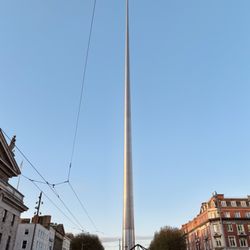
Shop on O'Connell Street O September 2023 Hotel was minutes from O'Connell Street. O'Connell Street is Dublin's main thoroughfare and it houses numerous sculptures, monuments, shops and historic buildings. One of the widest streets in Europe, it is home to The Spire (Monument of Light), a large needle-like monument that stands 120m (394ft) high and is the city's most visible landmark. Notable statues include those of political leader Daniel O'Connell, Sir John Gray, James Larkin and Charles Stewart Parnell. The General Post Office (GPO) building is where the Proclamation of the Republic was read and it is at the heart of Ireland's struggle for independence. The GPO served as command HQ for the rebels during the 1916 Easter Rising, and has become the focal point for all kinds of protests, parades and remembrances, as well as home to the interactive GPO Witness History visitor center.


At the River Liffey, the busy O'Connell Street Bridge brings you to this monument to Daniel O'Connell, the 19th century nationalist leader. The man has quite a history for Ireland nationalism and participated heavily in politics. The statue has the usual pigeon poop on the statesman's head and not much of an adornment or explanation of who, why or when. But they did name the street after him.


I love this place! Even if it is very touristic, there is an atmosphere that make you know you're in Dublin. According to the hour, you can feel if it's time to go shopping, eating, drinking... This street never sleep! A perfect landmark to know if you just arrive in Dublin thanks to the Spire. Les Champs Elysées of Dublin, that's where you have to go first if you want to visit Dublin!


4 months ago
O'Connell Street is a large, busy street with lots of people, buses and trams, beautiful buildings, and lots of stores. It is a little grittier than Grafton Street and felt a little less safe. The 1916 uprising memorial Museum is here. There is a cool Dublin sign that lights up at night. It had lots of small convenience stores. It also intersex with another street that had lots of shopping with brand-name stores, chemist, and restaurants. read more


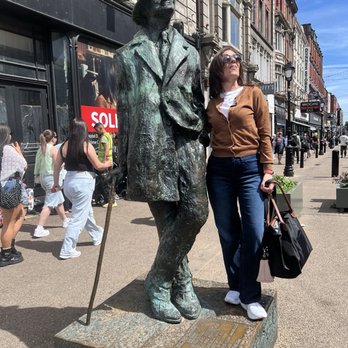
The wife and I were on a guided tour along O'Connell Street. Stood at the historic River Liffey (O'Connell Bridge) in Dublin and took in the views. Aside from the tranquil river is the well detailed Daniel O'Connell brass and granite 40 foot tall statue. The main conversation in the street was the pigeon poop dripping from his head from live pigeons (see pic). The street is a main tourist rich neighborhood with eateries and landmarks. Noticed several active Yelpers also taking advantage of this picturesque iconic area. read more


Shop on O'Connell Street O September 2023 Hotel was minutes from O'Connell Street. O'Connell Street is Dublin's main thoroughfare and it houses numerous sculptures, monuments, shops and historic buildings. One of the widest streets in Europe, it is home to The Spire (Monument of Light), a large needle-like monument that stands 120m (394ft) high and is the city's most visible landmark. Notable statues include those of political leader Daniel O'Connell, Sir John Gray, James Larkin and Charles Stewart Parnell. The General Post Office (GPO) building is where the Proclamation of the Republic was read and it is at the heart of Ireland's struggle for independence. The GPO served as command HQ for the rebels during the 1916 Easter Rising, and has become the focal point for all kinds of protests, parades and remembrances, as well as home to the interactive GPO Witness History visitor center. read more


At the River Liffey, the busy O'Connell Street Bridge brings you to this monument to Daniel O'Connell, the 19th century nationalist leader. The man has quite a history for Ireland nationalism and participated heavily in politics. The statue has the usual pigeon poop on the statesman's head and not much of an adornment or explanation of who, why or when. But they did name the street after him. read more


12 years ago

13 years ago
I love this place! Even if it is very touristic, there is an atmosphere that make you know you're in Dublin. According to the hour, you can feel if it's time to go shopping, eating, drinking... This street never sleep! A perfect landmark to know if you just arrive in Dublin thanks to the Spire. Les Champs Elysées of Dublin, that's where you have to go first if you want to visit Dublin! read more


13 years ago

17 years ago

17 years ago
Even though the Spire is a bit of an eyesore right in the middle of O'Connell Street, the street itself is one of the oldest in Dublin and it's beautiful. There are statues at both ends of the Street and since the city council redid the street, you have a big sidewalk right down the middle, which is sometimes used to exhibit some more modern statues. Along O'Connell Street you can find the GPO, which has historical significance and used to house the Post Office as well- hence the name. It's a great place for shopping as well, with Clery's Department store right on O'Connell Street and Henry Street just around the corner. It's a pretty busy street, but worth checking out when you're doing the touristy thing. read more


14 years ago


More info about O'Connell Street


















Why does Yelp recommend reviews?
1 review that is not currently recommended
The reviews below are not factored into the business's overall star rating.

14 years ago


