Mission Connection Photos


More like Mission Connection
Recommended Reviews - Mission Connection
Start your review...



7 months ago
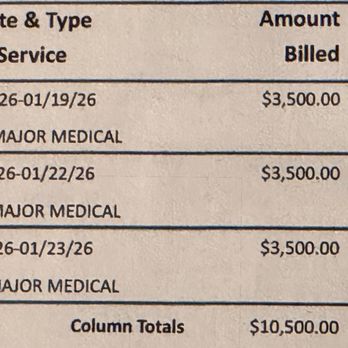
$3,500 per day. $10,500 per week. For a virtual IOP program. I'm sharing my experience as a warning to others considering IOP options for themselves or their loved ones. Looking back, there were early signs I overlooked. I received frequent calls over a two-week period, and at one point was addressed as a "valued customer." That wording, in a mental health setting, stood out to me and in hindsight did not feel appropriate. (See attached screenshots.) Two months into the program -- which was conducted entirely virtually -- I received a letter from my insurance explaining my benefits. Two things immediately caught my attention. First, my insurance had only authorized 30 visits, yet I had already been attending for about two months. When I contacted my insurance, they confirmed they had only received claims for 3 visits, even though it was already March. This delay meant I could have continued attending without realizing I was close to my coverage limit. Second, I saw the billing amount: $3,500 per day -- about $10,500 per week as their standard rate. (See attached.) At that point, I immediately contacted AMFM and requested to be discharged. I was told someone from finance would reach out. When I spoke with "Beth," I remained professional despite my concerns, but the interaction felt more confrontational than helpful. During the call, I was told verbatim that "we are a business and we can bill any amount we want." I acknowledged that, but it raised a larger concern for me: a business can set its pricing, but those choices still reflect its priorities. Before that call, I had already contacted another facility offering a similar virtual IOP program and was quoted approximately $1,000 per week out-of-pocket, or about $12,000 for the full program, which made the difference in pricing even more concerning. In my experience, the level of care did not reflect the pricing. It was often difficult to reach someone through their main line, there was no clear point of contact, and responses could take days or even a week, despite claims of ongoing support. Personally, I did not feel I was gaining meaningful value from the program, even though I genuinely wanted to. What concerned me most was the financial risk. Based on my attendance, I was already around my 27th visit and scheduled for more. Given the billing rate and delayed claim submissions, I could have unknowingly gone over my limit and been personally responsible for $10,500 per week. For those considering this program, I strongly encourage you to ask detailed questions about billing and how claims are submitted before starting. Mental health care should feel safe, transparent, and supportive -- not something that leaves you questioning your care or worrying about unexpected financial risk. I hope sharing this helps others choose a program that truly puts patients first. read more


Business owner information

Mission C.
Thank you for taking the time to share your experience. We’re sorry…
More info about Mission Connection
6990 E Green Lake Way N
Ste G
Seattle, WA 98115
Greenlake
Directions
(360) 515-4865
Call Now
Visit Website
https://missionconnectionhealthcare.com
Hours
Payment methods
Other Amenities
From the Business