Kingsley Plantation
Kingsley Plantation Photos


You might also consider


More like Kingsley Plantation
Recommended Reviews - Kingsley Plantation
Start your review...


Reviews With Photos


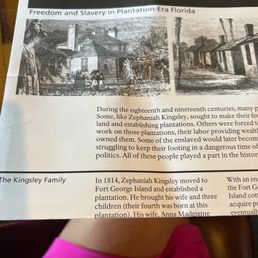
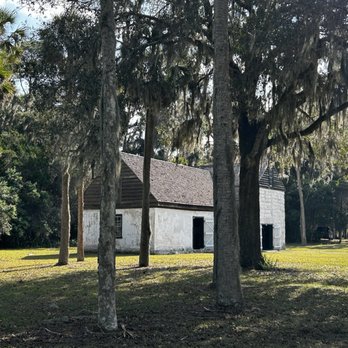
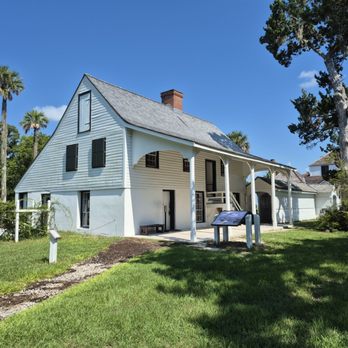
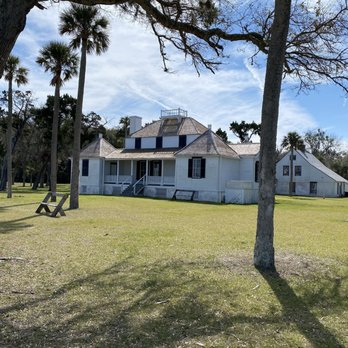
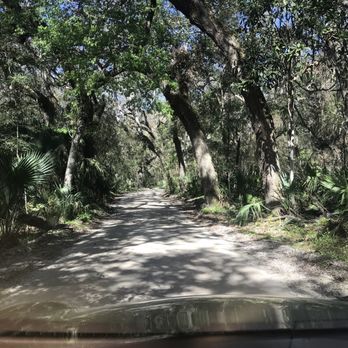
This National Park is free to visit while they preserve our history and educate those who wish to know. Hours are Wednesday - Sunday, 9:00am - 4:30pm. You will find more information on the National Park website (nps.gov). The drive in seemed long. The last stretch is a beautiful, single lane, dirt road. There were some difficult, rutted areas so plan to drive slowly for a couple of miles or so. A class C camper van made it all the way. So can you. We did pass one car along the way. It was fine. You're already going slow just move over a bit. The entrance to the park is on the right at the end of this long dirt tract. Turn in through the gates and drive past the slave quarters toward the main house. There is a dirt parking lot that will fit at least a couple dozen cars. Head toward the house first. The free audio tour found on the NPS.gov website begins at the waterside. That is the 'front yard' of the property. The river was their way of getting to and from the property, which probably explains the narrow dirt road. In any event, you will find the free audio tour here: https://www.nps.gov/timu/learn/photosmultimedia/audio-tour.htm There is a visitor center/gift shop to the left of the main house. Entrance on the water side of the building. Here you can sign in, get a map of the property, buy a gift, souvenir or bottle of water and chat with a National Park ranger. The restrooms are in this building, just past the visitor center. If you follow the waterside path away from the house (left as you look at the river), it will lead to a dock. It was a nice, short walk under the cool trees. The main house was not accessible during our visit as it is undergoing preservation. The kitchen and Anna Kinsley's apartment were open during our visit. Enslaved from Senegal, Mr. Kingsley married Anna in the tradition of her country. He also married several other enslaved women; 'sister wives' to Ma'am Anna. She was his primary wife, ran the plantation in his absence and was later given her freedom. From that point she began purchasing her own property, including slaves. A very interesting history. In the garden area near the kitchen are a series of information boards describing the process of making indigo: the dye used to make fabric blue. This was a difficult process that ultimately shortened the lives of many enslaved persons while making a lot of money for the plantation. The audio tour and the information boards around the property are full of interesting information. Plan plenty of time to read them all and get a real idea of what life on this plantation was like. I recommend you wear sunscreen, a hat and bring plenty of drinking water and maybe some snacks. Who doesn't like snacks? There is plenty of open space for the young one's to run around here as this is a mostly outdoor experience. While mom and dad read, the kids can play. After exploring the house area, walk back up the road toward the slave quarters. The audio tour offers much information on the people who lived and worked here as well as the process of 'tabby' used to build these cabins. There were a couple of signs warning to watch for snakes in the wooded area around the cabins. To me, it felt like this is the heart of the plantation. I found this stop to be very interesting and educational. Although much of the original land is no longer part of the plantation, by listening to the audio tour you get a good idea of how many people lived and worked here, how the day to day operations worked, what type of environment they lived in and so on. Definitely recommend this for the whole family.


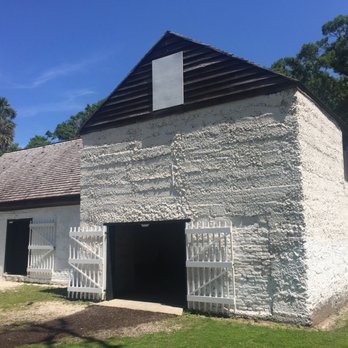
I have mixed feelings about this place. I have been wanting to tour this for a very long time. I expected as a national park that it would have ranger tours anytime you arrived. That is joy the case. There is one ranger on property and when she is on a break -the main house is locked. We went on a Saturday and expected more staff: there is another one working the gift shop. There is nothing inside the house so there is not much to see. What is interesting is the way this house was constructed. The interior Willy wow you 10 min tops to walk thru if your read anything. The ranger sits outside on the porch to answer questions. If you want a tour you have to call ahead according to the sign. The slave quarters have very very bad mosquitos so you can't really walk thru to see the ruins. The barn is in excellent shape and has great displays of what it was used for on property. There is a garden, a well and other signage to tell you some history of what is was like to live there as a slaves and the owners. In the parlor there is redundant information to read about the wife/owner of the property. It is dad costing to learn what Africans tribe she was front and who her descendants are but all of this is information available on line. In all you will need about 30 minutes to see this property. The gift shop has an impressive selection of African/southern history books and wares to buy. Any book lover would find I creole books not found anywhere else about the era from the African American perspective. Bathrooms are located at the gift shop. My favorite thing was the Park Ranger dolls with dark skin fabric for sale. And they were girls!


Driving here requires some warnings: the nearby state park apparently causes enormous traffic backups on busy days, so beware that. Once I got off the main road, I hit a fork where I could choose a dirt road or it continued with pavement. I chose the latter, but that one deteriorated rapidly in quality, and having come back on it, the dirt road is arguably better. I arrived to the sight of a rather majestic tortoise. The species "gopher tortoise" was one that I'd never heard of, being a non-local, and they seem to be impressive burrowers. Apparently the park rangers do not like you getting close to them, though in my defense, the one I saw was right next to the parking lot and seemed relatively unmolested by my presence. The bulk of the park is devoted to plantation history. Many such plantations boast impressive mansions but do not have extant slave quarters; in my experience the site will often have a sign stating that such dwellings were made of low-quality materials and were not built to last. Here, however, the remnants of a ring of buildings made largely of seashells offer a haunting window into the past. The mansion here was open for walkthroughs on weekends, but there wasn't much inside it. There is a dock, but there didn't seem to be any evidence that any park boats were operating out of it. If it is instead a spot for the locals with bots to come visit, this seems to have been in vain as many were zooming by at dubious speeds. Hopefully, at least some of them take the time to explore this site, as it is well-preserved and has a lot to offer. I wouldn't plan on spending more than an hour or so, but barring traffic it is not far from downtown Jacksonville.


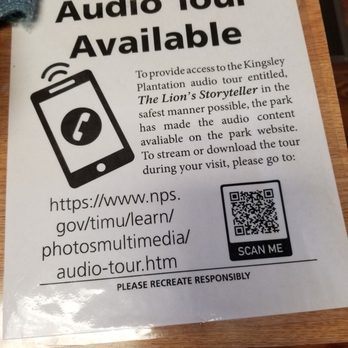
We didn't have time to view the entire property, but we were pleased and impressed with what we did see. If you've done your homework, you already know that this is the home of the Kingsleys. He was a slave owner who married his slave and eventually emancipated her. She went on to manage much of their estate and to own property and slaves of her own. Overall, the property is well-preserved and has very informative displays and signs. There's even an audio tour (see link below). The main house was modified by owners after the Kingsleys; however, they do a good job of explaining the changes. It's a shame that undoing them would probably destroy the house. That being said, it would be nice to have some period pieces in the house to get a better feel for how the family would have lived. There's a random weaving loom donated by a local group in one room. So that debunks the argument that they only want authentic Kingsley furniture. Unfortunately, we didn't make it to the slave cabins. Just walking the property takes a significant amount of time. So, allow yourself an hour to walk and another two hours to take it in and visit the gift shop. If you're a meanderer or dawdler, give yourself more time. https://www.nps.gov/timu/learn/photosmultimedia/audio-tour.htm


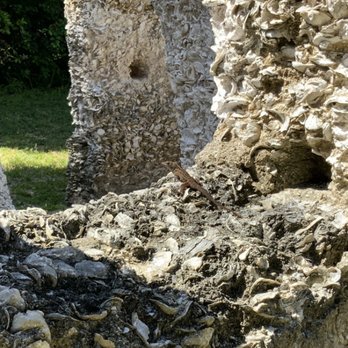
Kingsley is a beautiful plantation tucked way and loaded with a lot of history. The park is managed by the NPS and its free. Its a few miles down a dirt road, so drive slow and enjoy all the scenery. Once you arrive, park and visit the visitor center first, which around the back of plantation close to restrooms. You can get a free audio tour headset. They do have a nice gift shop. The grounds are well kept and lovely, wander around back to the marsh area. Lots of history about the slave trade and life on the plantation. Zephaniah was married to a slave who actually owned slaves herself. Anna became important in the daily operation of the plantation. She not only was former slave but she had rights to actually operate a business which was pretty remarkable during that time. The main crops were island cotton, corn and sugar cane. They were located close to the waterway which gave them good access to shipping goods. The main structures are made from tabby which is made of oyster shells. There are several structures on the property to visit. Kingsley was a informative visit as expected, if you get a chance visit.

I'm a history buff. The Kingsley Plantation built approximately late 1700's was very interesting. There are remnants of the slave quarters in a semi circle surrounding the main house that were made from tabby. The grounds were vast and was on the waterfront of the Saint John's river. The history of the plantation juxtaposed with the jet skis and fast motor boats was interesting. I wonder what Zephaniah Kingsley would think today.


*SELF GUIDED FREE TOUR; Note: KITCHEN HOUSE UNDER CONSTRUCTION 3/17/21* The drive in is hauntingly beautiful This is a must see for historical value and so hopefully this reminds our society of the horrific way in which humans were kept and treated. Humans are not property or tools for production Humans have rights given by GOD the Creator who is above all NOBODY has the right to impose ANYTHING on a human being that goes against their values, personal freedoms, dignity and well-being It's good this place is preserved as a reminder of how easy it is to be blinded by selfish ambition, how we can easily forget to see each other as children of The One God and how we can grow as a capitalistic society without having to rob anyone from their freedom and right to life, liberty, and the pursuit of happiness. Come see and experience in a very small way, the heat and imagine the harsh conditions to put things in perspective. Thanks to Florida for preserving this place that captures a difficult time in America's history *Bring water *watch your step *restrooms available *free parking *narrow road, drive carefully *take time to READ the information *there's a self guided free audio tour (I couldn't make it work but I'm terrible with those things)


Kingsley Plantation is a plantation world of its own in that the owner, Zephaniah Kingsley, had purchased a slave that after manumission (fancy word for freeing a slave) he married. She became his wife and then became instrumental in actually running the plantation with an enslavement of about 60 workers. So, in other words, what we seem to have had here was a black former slave ending up as a slave owner. Just for a women being able to have rights of ownership or any rights to run a business at this time in history was totally remarkable yet alone, not only being a women, but a black former slave. The main crops of the plantation were Sea Island cotton, a cotton of super quality, corn and sugar cane. Being located right on the banks of a waterway gave good access to shipping. If you come here, be prepared to drive down a rather lengthy dusty dirt road. Your car will probably need a washing afterwards but the drive is interesting. You'll see lots of natural Florida growth along the way plus interesting ruins of what were at one time slave quarters. The main structures of the plantation are unique in that they are made of "tabby" construction materials which were made by using oyster shells as the lime base of concrete. They used it in both poured and brick fashion. There is the main house, close off when I visited, but also a kitchen area which was open with a fireplace for cooking. But more than the structures is the location and general setting of the plantation which, with all the hanging air ferns, and area of beauty.


What a great experience! Entering the park and touring the plantation and its grounds is all free (!!!!) to the public and absolutely lovely. The one worker that is stationed at the house, was friendly and very knowledgeable. I just wish that there were more furnishings in the home, but there is a plaque that actually addresses this. Be sure to bring your phone with you so that you can follow the audio tour (again, free!), and you might even get a chance to see some bald eagles in the front of the house. You will definitely need your camera! TIP - there isn't a ton of parking, so be sure to go earlier in the day. read more




9 months ago
To help celebrate his birthday, Tony Vanoy and I went to Kingsley Plantation & Slave Ruins on Fort George Island near St John River in Florida! Located near the Georgia Border & Amelia Island State Park. Also near Little Talbott State Park! It was Free to enjoy and explore! There are buildings to go into and Tabby Ruins of the Slave Quarters Village. We spent about an hour walking around the plantation grounds! A lot of history here!Today Friday 15th Tony Vanoy and I explored the McIntosh Sugar Mill Tabby Ruins near St Mary's GA . It's free to enjoy and explore. There is a private parking lot and picnic tables BUT BE WARNED we experienced a ton of mosquitos! So BUGGIE SPRAY the Heck out of your exposed body parts! I got ate up and so did Tony! It's much larger than it looks from the parking lot! There's a Historical marker available to read about the previous owner dates and Plantation name! Definitely recommend & hope you enjoy! read more




8 months ago
A beautiful location, yet full of history, right off of the Fort George River. The Kingsley Plantation , while not huge, is an important part of Jacksonville's history. The park has done an excellent job of preserving history, allowing us an in-depth look back on how a plantation operated and the impact it had on the slaves that lived and worked here. As a history aficionado, this was a very thought provoking place to visit and learn about. Definitely worth a visit if you are in the area :) read more


9 months ago
While visiting Jacksonville, we visited the plantation and learned the great history of Anna Kingsley. We walked the grounds, toured the garden, the kitchen and explored what was left of the slave quarters. It was a wonderful experience read more


2 years ago
Not a five but very nice too see an old plantation still alive, how historic I love it very demure and mindful, but it was VERY cold when I when I went so I recommend going during the summer or earlier months when visiting read more


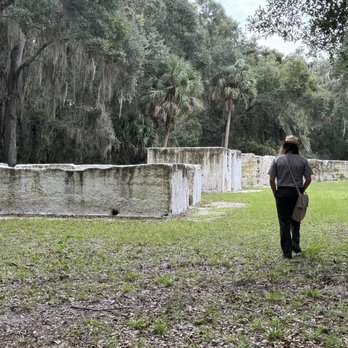


This National Park is free to visit while they preserve our history and educate those who wish to know. Hours are Wednesday - Sunday, 9:00am - 4:30pm. You will find more information on the National Park website (nps.gov). The drive in seemed long. The last stretch is a beautiful, single lane, dirt road. There were some difficult, rutted areas so plan to drive slowly for a couple of miles or so. A class C camper van made it all the way. So can you. We did pass one car along the way. It was fine. You're already going slow just move over a bit. The entrance to the park is on the right at the end of this long dirt tract. Turn in through the gates and drive past the slave quarters toward the main house. There is a dirt parking lot that will fit at least a couple dozen cars. Head toward the house first. The free audio tour found on the NPS.gov website begins at the waterside. That is the 'front yard' of the property. The river was their way of getting to and from the property, which probably explains the narrow dirt road. In any event, you will find the free audio tour here: https://www.nps.gov/timu/learn/photosmultimedia/audio-tour.htm There is a visitor center/gift shop to the left of the main house. Entrance on the water side of the building. Here you can sign in, get a map of the property, buy a gift, souvenir or bottle of water and chat with a National Park ranger. The restrooms are in this building, just past the visitor center. If you follow the waterside path away from the house (left as you look at the river), it will lead to a dock. It was a nice, short walk under the cool trees. The main house was not accessible during our visit as it is undergoing preservation. The kitchen and Anna Kinsley's apartment were open during our visit. Enslaved from Senegal, Mr. Kingsley married Anna in the tradition of her country. He also married several other enslaved women; 'sister wives' to Ma'am Anna. She was his primary wife, ran the plantation in his absence and was later given her freedom. From that point she began purchasing her own property, including slaves. A very interesting history. In the garden area near the kitchen are a series of information boards describing the process of making indigo: the dye used to make fabric blue. This was a difficult process that ultimately shortened the lives of many enslaved persons while making a lot of money for the plantation. The audio tour and the information boards around the property are full of interesting information. Plan plenty of time to read them all and get a real idea of what life on this plantation was like. I recommend you wear sunscreen, a hat and bring plenty of drinking water and maybe some snacks. Who doesn't like snacks? There is plenty of open space for the young one's to run around here as this is a mostly outdoor experience. While mom and dad read, the kids can play. After exploring the house area, walk back up the road toward the slave quarters. The audio tour offers much information on the people who lived and worked here as well as the process of 'tabby' used to build these cabins. There were a couple of signs warning to watch for snakes in the wooded area around the cabins. To me, it felt like this is the heart of the plantation. I found this stop to be very interesting and educational. Although much of the original land is no longer part of the plantation, by listening to the audio tour you get a good idea of how many people lived and worked here, how the day to day operations worked, what type of environment they lived in and so on. Definitely recommend this for the whole family. read more




I have mixed feelings about this place. I have been wanting to tour this for a very long time. I expected as a national park that it would have ranger tours anytime you arrived. That is joy the case. There is one ranger on property and when she is on a break -the main house is locked. We went on a Saturday and expected more staff: there is another one working the gift shop. There is nothing inside the house so there is not much to see. What is interesting is the way this house was constructed. The interior Willy wow you 10 min tops to walk thru if your read anything. The ranger sits outside on the porch to answer questions. If you want a tour you have to call ahead according to the sign. The slave quarters have very very bad mosquitos so you can't really walk thru to see the ruins. The barn is in excellent shape and has great displays of what it was used for on property. There is a garden, a well and other signage to tell you some history of what is was like to live there as a slaves and the owners. In the parlor there is redundant information to read about the wife/owner of the property. It is dad costing to learn what Africans tribe she was front and who her descendants are but all of this is information available on line. In all you will need about 30 minutes to see this property. The gift shop has an impressive selection of African/southern history books and wares to buy. Any book lover would find I creole books not found anywhere else about the era from the African American perspective. Bathrooms are located at the gift shop. My favorite thing was the Park Ranger dolls with dark skin fabric for sale. And they were girls! read more




Driving here requires some warnings: the nearby state park apparently causes enormous traffic backups on busy days, so beware that. Once I got off the main road, I hit a fork where I could choose a dirt road or it continued with pavement. I chose the latter, but that one deteriorated rapidly in quality, and having come back on it, the dirt road is arguably better. I arrived to the sight of a rather majestic tortoise. The species "gopher tortoise" was one that I'd never heard of, being a non-local, and they seem to be impressive burrowers. Apparently the park rangers do not like you getting close to them, though in my defense, the one I saw was right next to the parking lot and seemed relatively unmolested by my presence. The bulk of the park is devoted to plantation history. Many such plantations boast impressive mansions but do not have extant slave quarters; in my experience the site will often have a sign stating that such dwellings were made of low-quality materials and were not built to last. Here, however, the remnants of a ring of buildings made largely of seashells offer a haunting window into the past. The mansion here was open for walkthroughs on weekends, but there wasn't much inside it. There is a dock, but there didn't seem to be any evidence that any park boats were operating out of it. If it is instead a spot for the locals with bots to come visit, this seems to have been in vain as many were zooming by at dubious speeds. Hopefully, at least some of them take the time to explore this site, as it is well-preserved and has a lot to offer. I wouldn't plan on spending more than an hour or so, but barring traffic it is not far from downtown Jacksonville. read more



We didn't have time to view the entire property, but we were pleased and impressed with what we did see. If you've done your homework, you already know that this is the home of the Kingsleys. He was a slave owner who married his slave and eventually emancipated her. She went on to manage much of their estate and to own property and slaves of her own. Overall, the property is well-preserved and has very informative displays and signs. There's even an audio tour (see link below). The main house was modified by owners after the Kingsleys; however, they do a good job of explaining the changes. It's a shame that undoing them would probably destroy the house. That being said, it would be nice to have some period pieces in the house to get a better feel for how the family would have lived. There's a random weaving loom donated by a local group in one room. So that debunks the argument that they only want authentic Kingsley furniture. Unfortunately, we didn't make it to the slave cabins. Just walking the property takes a significant amount of time. So, allow yourself an hour to walk and another two hours to take it in and visit the gift shop. If you're a meanderer or dawdler, give yourself more time. https://www.nps.gov/timu/learn/photosmultimedia/audio-tour.htm read more

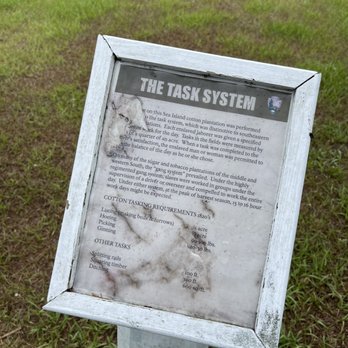


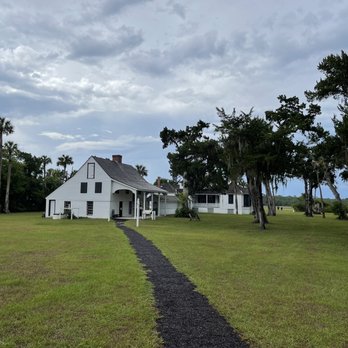

2 years ago
I've enjoyed coming here since I was a child and it's so nice to bring my children here when we come to visit family. read more

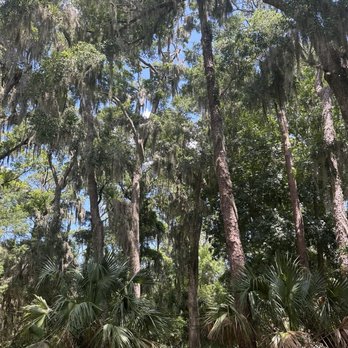


6 years ago
Kingsley is a beautiful plantation tucked way and loaded with a lot of history. The park is managed by the NPS and its free. Its a few miles down a dirt road, so drive slow and enjoy all the scenery. Once you arrive, park and visit the visitor center first, which around the back of plantation close to restrooms. You can get a free audio tour headset. They do have a nice gift shop. The grounds are well kept and lovely, wander around back to the marsh area. Lots of history about the slave trade and life on the plantation. Zephaniah was married to a slave who actually owned slaves herself. Anna became important in the daily operation of the plantation. She not only was former slave but she had rights to actually operate a business which was pretty remarkable during that time. The main crops were island cotton, corn and sugar cane. They were located close to the waterway which gave them good access to shipping goods. The main structures are made from tabby which is made of oyster shells. There are several structures on the property to visit. Kingsley was a informative visit as expected, if you get a chance visit. read more


I'm a history buff. The Kingsley Plantation built approximately late 1700's was very interesting. There are remnants of the slave quarters in a semi circle surrounding the main house that were made from tabby. The grounds were vast and was on the waterfront of the Saint John's river. The history of the plantation juxtaposed with the jet skis and fast motor boats was interesting. I wonder what Zephaniah Kingsley would think today. read more
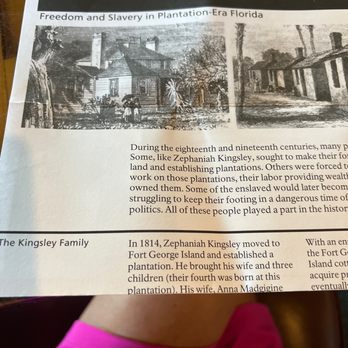


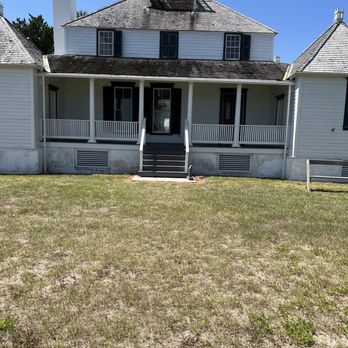


The location is amazing. The self guided tour was extremely informative. Strolling around and looking at the various buildings and listening to the history of each made me appreciate the effort that previous generations had to go through to survive read more


*SELF GUIDED FREE TOUR; Note: KITCHEN HOUSE UNDER CONSTRUCTION 3/17/21* The drive in is hauntingly beautiful This is a must see for historical value and so hopefully this reminds our society of the horrific way in which humans were kept and treated. Humans are not property or tools for production Humans have rights given by GOD the Creator who is above all NOBODY has the right to impose ANYTHING on a human being that goes against their values, personal freedoms, dignity and well-being It's good this place is preserved as a reminder of how easy it is to be blinded by selfish ambition, how we can easily forget to see each other as children of The One God and how we can grow as a capitalistic society without having to rob anyone from their freedom and right to life, liberty, and the pursuit of happiness. Come see and experience in a very small way, the heat and imagine the harsh conditions to put things in perspective. Thanks to Florida for preserving this place that captures a difficult time in America's history *Bring water *watch your step *restrooms available *free parking *narrow road, drive carefully *take time to READ the information *there's a self guided free audio tour (I couldn't make it work but I'm terrible with those things) read more


3 years ago

An eye opening experience for us. After we found the place (2 entrances....go to the right!).. Tucked away and loaded with history. Well kept grounds and Very knowledge volunteers in the main house. Because of the location it is not always opened. You won't know until driving to it. read more


Kingsley Plantation is a plantation world of its own in that the owner, Zephaniah Kingsley, had purchased a slave that after manumission (fancy word for freeing a slave) he married. She became his wife and then became instrumental in actually running the plantation with an enslavement of about 60 workers. So, in other words, what we seem to have had here was a black former slave ending up as a slave owner. Just for a women being able to have rights of ownership or any rights to run a business at this time in history was totally remarkable yet alone, not only being a women, but a black former slave. The main crops of the plantation were Sea Island cotton, a cotton of super quality, corn and sugar cane. Being located right on the banks of a waterway gave good access to shipping. If you come here, be prepared to drive down a rather lengthy dusty dirt road. Your car will probably need a washing afterwards but the drive is interesting. You'll see lots of natural Florida growth along the way plus interesting ruins of what were at one time slave quarters. The main structures of the plantation are unique in that they are made of "tabby" construction materials which were made by using oyster shells as the lime base of concrete. They used it in both poured and brick fashion. There is the main house, close off when I visited, but also a kitchen area which was open with a fireplace for cooking. But more than the structures is the location and general setting of the plantation which, with all the hanging air ferns, and area of beauty. read more


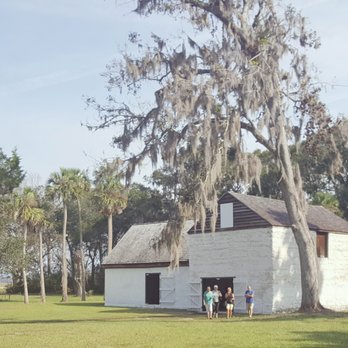


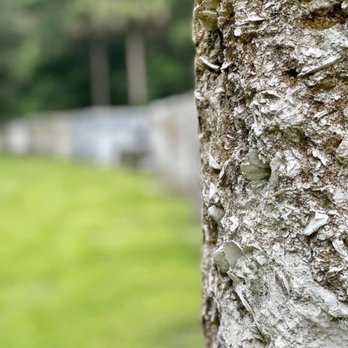

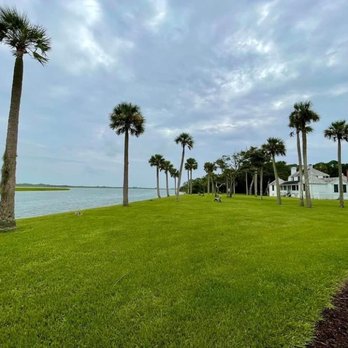


3 years ago

5 years ago
Beautiful place they have audio tour on your cell too. Beware there are some true rednecks that live around the property near the club house. When we were leaving they blocked the road with their golf cart and stood in the only opening and would move when we approached we had to ask several times to have them move they wouldn't we have to slowing creep by almost running over the man. We are of darker skin so I take it as they had an issue with us. I mean who dose that in the road read more


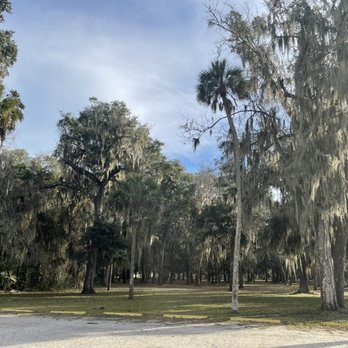


2 years ago

A bit far off, but a great little place to explore a bit of real history. Kingsley Plantation was once a slave plantation. You can walk inside partial structures of the actual coquina-shelled slave quarters where slaves once lived. Outside of the quarters you can walk along the same trees where the Timucuan Indians once lived. In the visitors center, kids can touch and hold real artifacts, shells, and bones. My son (at the time age 8) found this really interesting. It gets pretty hot in the summer, so make sure you come early in the morning or during cooler months when the heat isn't so bad. My son and I came here for some kind of archaeological digging event they were doing. In February every year, they have their Annual Kingsley Heritage Celebration, which recognizes the rich culture of African Americans. It's FREE to visit. Don't forget to stamp your National Parks Passport when you come. read more


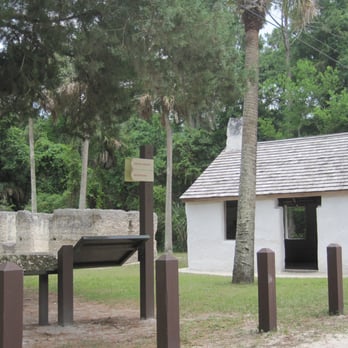

7 years ago
First time visiting the plantation, the grounds are lovely and very well kept. You can get a free audio tour to listen and learn about the plantation history. There is also multiple signs and pictures with snippets of history. Overall a great place to walk around and enjoy nature and history for a few hours. read more


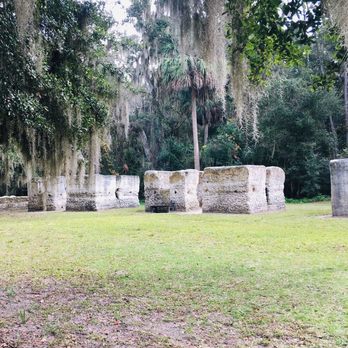

This plantation has rich history that occupied by British, Spanish, then the American. It started from 1765. This plantation is growing the sugar, cotton and more. It is part of the Timucuan Ecological and Historic Preserve. It is also the National Park Service. The entrance is free. It has audio self guide. However you need to pick up deep in compound. As a result, the return is also required long walk to the same place. It located next to Fort George River. The back yard is nice. It has a lot of tabby building. Where tabby is made from oyster shells. It has lasted for many year. Any large construction required to drive pile for deep foundation need to be approve by the historical society. Vibrations will be monitor to avoid damage the tabby buildings. The compound has large building and slave quarter next to property line. Obviously this is protecting the main house. read more


What an incredible experience! From going down the long trail to finding the plantation to exploring the home and its surroundings. The view is scenic and peaceful and as the previous yelp review mentioned there is restrooms located on the property. The history behind the plantation, the slaves, the slave trade, and some of the important figures such as Zephaniah Kingsley is very interesting and the displays provide tons of information. Another great plus about this location is that it's free and it only takes about 1-2 hours to view the plantation. Just make sure to gas up before visiting since it is a bit of a drive. read more


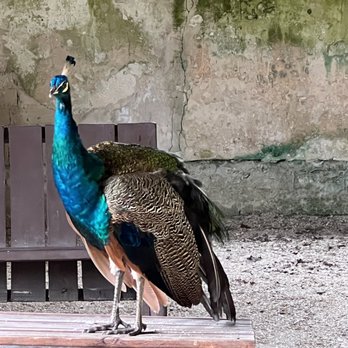
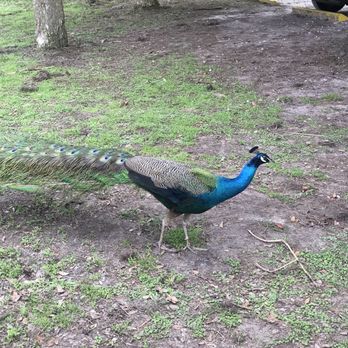
Beautiful place! Scenic, peaceful and informative. I was so glad to see that there was a public bathroom on the property because after that drive I really had to go and I was hoping and praying they were not going to make me experience this place as they did back in the day.....by using natures resources. Lol. I was glad to see that it was free of charge and I knew that because of a previous Yelp review. Way to go Yelp!!! It takes no time to see everything because everything was in close proximity, meaning, the slaves living quarters, the barn, the kitchen, etc., I'm used to walking a lot more especially when sightseeing George Washington's Plantation at Mt. Vernon. A bonus was the beautiful peacock that was roaming around the property. I have never been that close to a peacock before and I'll be honest, I was a bit nervous at first because of its size. Everything was very well signed and they provide enough literature to really understand the life that was lived here. I love pictures and actually seeing artifacts from that time period. It took me a little over 40 minutes to drive here from Southside and Baymeadows area. As I got closer, I started driving slower because it was my first time here and the roads seemed to get more narrow as I approached the plantation, until eventually it turned into a hard-paved dirt road approximately 1/2 mile from Kingsley. I would definitely come here again just to enjoy the peacefulness and to walk some of the paths. read more



4 years ago
3 years ago

Very informative part of Florida's Plantation and Slave history. The US Park Service has done an excellent job of preservation and restoration. I highly recommend this park. You can do the self guided audio tour in 1.5 hours. Did I mention it is FREE everyday. read more


11 years ago
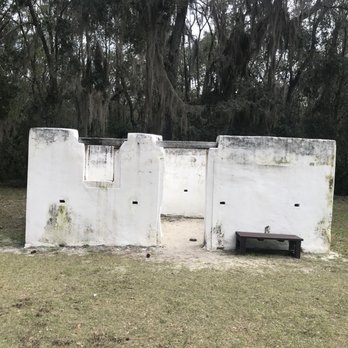
This place was so much better than I imagined it would be. I knew from the NPS website that the main house is under repair and inaccessible. But I could still see it from outside and appreciate a number of large windows to take in sea breeze and the relative smallness of the house on the island plantation, compared to typical southern plantations. I have seen a southern plantation before but never before slave quarters so well preserved.. (not reconstruction.. although there were some of those too). White tabbies arranged in semi circle according to West African tradition were beautiful against the backdrop of blue summer sky and greenness of the surrounding vegetation (although i imagine it must have been terribly hot back then with all the trees cleared out). Slavery is an absolutely terrible legacy. The story of Kingsley's wife gives complex and fascinating facet to it as she lived they the period of Florida's transition from Spanish rule to US control. The ranger at the video center seemed very knowledgeable about the topic. There were nice books at the bookstore/ VC. Four NPS cancellation stamps made us happy. Just one troubling note... I could observe nuclear power plants right from the visitor center, across from the creek. What an eyesore in an ecological preserve! I was starting at the map of the preserve and wondering if the power plants were within the park boundary. I never got to find out. It was absolutely ominous to see them billowing up smoke into the air. I wish Florida will switch to 100 per cent renewables in the near future. Update: a local yelper just let me know that those were actually not nuclear, but call-future cooling plants. Thanks! read more


8 years ago
What a great place to visit for a day trip. I really enjoyed learning about this era in American history. They also offer free guided tours on the weekends with a reservation. The grounds are beautiful and so pristine. They're were peacocks roaming about the property. I loved touring the Plantation house which is located along Fort George River. They really give you an in depth understanding of what slavery was like back in the day. It was interesting to see the original tabby slave quarters throughout the property. I highly recommend a visit to the Kingsley Plantation. read more



16 years ago
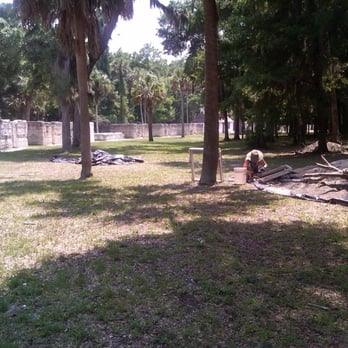
BEAUTIFUL land, so breathtaking Every time I visit Jacksonville, I stop here on the way to the airport. There is so much history here from the ruins of the slave cabins (that you are free to walk in and touch- where else can you get inside and touch history?!) to the wild tortoises just roaming around the area. The staff is so nice, and they are very knowledgeable. I got a great private one on one tour by Brian who was so knowledgeable and helpful. It was awesome to see actual excavations going on by the volunteers. This is not to be missed while in Jacksonville. read more



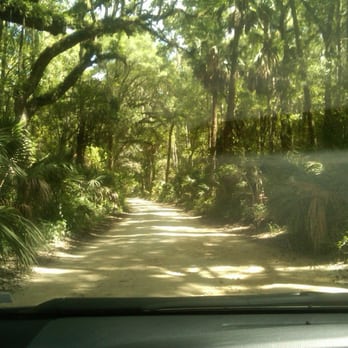


I have been taking out of town guests and newbies to Kingsley Plantation for years. It is a "must see" in Jacksonville. Just off Heckscher Dr. on St. George Island is an old cotton and indigo plantation that was worked by slaves. There are remains of the tabby slave quarters and the main house, kitchen, and barn. The house is in a nice location on the river. As you stroll the property you feel a sense of the past. As you drive to the plantation, through the woods on the dirt road which conveyed carriages and horses, it almost feels like you are driving back in time. I highly recommend you visit this historic location. Due to the preservation of the house, tours are limited to the weekend by reservation only. read more


11 years ago
The free audio tour is awesome and a must do. It brings the history of the plantation alive, and is very entertaining. The grounds are beautiful, you can bring your dog with you (since 90% of it is outdoors) plus it's free! We packed a lunch, which I recommend doing. Go on a nice day because you will be outside and walking for most of it. Finally we also saw an armadillo! read more


9 years ago
We greatly enjoyed our visit! It was a cloudy day so it wasn't too warm hot. Having the place to ourselves made it seem like we were dropped into history. Very well kept, educational time. There isn't a ton to see, it only took us about an hour to explore. Prepare yourself for a dirt road back to the Plantation. I would recommend this for anyone who has an afternoon open and looking for a free experience. read more


Page 1 of 2
More info about Kingsley Plantation
11676 Palmetto Ave
Jacksonville, FL 32226
Northside
Directions
(904) 251-3537
Call Now
Visit Website
http://www.nps.gov/timu/historyculture/kp.htm
Hours
Payment methods
Outdoor Amenities
Ask the Community - Kingsley Plantation
Review Highlights - Kingsley Plantation
You might also consider









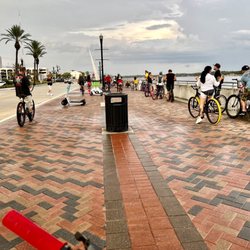






Kingsley Plantation - landmarks - Updated May 2026
Best of Jacksonville
People found Kingsley Plantation by searching for…
Places to Take Pictures in Jacksonville, FL
Public Running Track in Jacksonville, FL
Things to Do in Jacksonville, FL
Flower Fields in Jacksonville, FL
Campgrounds in Jacksonville, FL
Scenic Drive in Jacksonville, FL
Family Fun Centers in Jacksonville, FL
Water Parks in Jacksonville, FL
Off Road Trails in Jacksonville, FL
Parks With Pull Up Bars in Jacksonville, FL
Secret Spots in Jacksonville, FL
Community Centers in Jacksonville, FL
Free Parking in Jacksonville, FL
Free Museum in Jacksonville, FL
Fishing Ponds in Jacksonville, FL
Plantation Tours in Jacksonville, FL
Sightseeing in Jacksonville, FL
Forest Preserves in Jacksonville, FL
Trending Searches in Jacksonville, FL
Baseball Fields near Kingsley Plantation
Bird Sanctuary near Kingsley Plantation
Boardwalk near Kingsley Plantation
Botanical Gardens near Kingsley Plantation
Bounce House Rentals near Kingsley Plantation
Caves near Kingsley Plantation
Cheap Gym Membership near Kingsley Plantation
Dog Friendly Things To Do near Kingsley Plantation
Fishing Spots near Kingsley Plantation
Flower Fields near Kingsley Plantation
Flower Shop near Kingsley Plantation
Free Swimming Pool near Kingsley Plantation
Hidden Gems near Kingsley Plantation
Hot Tub & Pool near Kingsley Plantation
Indoor Activities near Kingsley Plantation
Indoor Bounce House near Kingsley Plantation
Lakes near Kingsley Plantation
Landmarks & Historical Buildings near Kingsley Plantation
Lookout Points near Kingsley Plantation
Movie Theatre near Kingsley Plantation
Nurseries & Gardening near Kingsley Plantation
Off Leash Dog Parks near Kingsley Plantation
Outdoor Activities near Kingsley Plantation
Outdoor Basketball Courts near Kingsley Plantation
Outdoor Furniture Stores near Kingsley Plantation
Parks With Pull Up Bars near Kingsley Plantation
Party Equipment Rentals near Kingsley Plantation
Picnic Areas near Kingsley Plantation
Picnic Spots near Kingsley Plantation
Places To Take Pictures For Prom near Kingsley Plantation
Places To Visit near Kingsley Plantation
Places To Walk Around near Kingsley Plantation
Playgrounds near Kingsley Plantation
Public Beaches near Kingsley Plantation
Public Running Track near Kingsley Plantation
Public Services & Government near Kingsley Plantation
Public Shower near Kingsley Plantation
Recreation Centers near Kingsley Plantation
Rock Quarry near Kingsley Plantation
Scenic Drive near Kingsley Plantation
Secluded Spots near Kingsley Plantation
Soccer Fields near Kingsley Plantation
Splash Pad near Kingsley Plantation
Strawberry Picking near Kingsley Plantation
Swimming Holes near Kingsley Plantation
Tennis Courts near Kingsley Plantation
Things To Do This Weekend near Kingsley Plantation
Browse Nearby
Browse Brands
Related Searches in Jacksonville, FL
Best Fun Things to Do in Jacksonville, Florida
Best Gymnastics for Kids Activities in Jacksonville, Florida
Best Gyms With Swimming Pools in Jacksonville, Florida
Best Nature Trails for Hiking in Jacksonville, Florida
Best Off Leash Dog Parks in Jacksonville, Florida
Best Parks for Parties and Events in Jacksonville, Florida
Best Water Parks for Kids in Jacksonville, Florida
Book Engaging Historical Tours in Jacksonville, Florida
Check Out Great Playgrounds in Jacksonville, Florida
Discover Baseball Fields Around Jacksonville, Florida
Discover Beautiful Garden Spots in Jacksonville, Florida
Discover Charming Historic Homes in Jacksonville, Florida
Discover Famous Monuments in Jacksonville, Florida
Discover Free Parking Options in Jacksonville, Florida
Discover Fun Recreation Activities in Jacksonville, Florida
Discover Fun Toddler Parks in Jacksonville, Florida for Your Little One
Discover Indoor Swimming Pool Options in Jacksonville, Florida
Discover Kids Indoor Play Area Venues in Jacksonville, Florida
Discover Lakes & Ponds to Explore in Jacksonville, Florida
Discover Popular Landmarks in Jacksonville, Florida
Discover Popular Photo Spots in Jacksonville, Florida
Discover Public Beaches to Visit in Jacksonville, Florida
Discover Public Pools Open in Jacksonville, Florida
Discover Soccer Fields in Jacksonville, Florida Near You
Discover Stunning Skyline View Spots in Jacksonville, Florida
Discover Top Family Fun Centers in Jacksonville, Florida
Discover Top Points of Interest in Jacksonville, Florida
Discover Top State Parks to Visit in Jacksonville, Florida
Discover Walking Parks in Jacksonville, Florida Near You
Discover the Best Beaches in Jacksonville, Florida
Discover the Best Interactive Museum in Jacksonville, Florida
Discover the Best Kids Park Spots in Jacksonville, Florida
Discover the Best Military Museum in Jacksonville, Florida
Enjoy Arts & Entertainment in Jacksonville, Florida
Enjoy Indoor Lap Pool Facilities in Jacksonville, Florida
Enjoy a Dog Beach Day in Jacksonville, Florida
Enjoy a Refreshing Lap Pool in Jacksonville, Florida
Enjoy the Best Picnic Spots and Ideas in Jacksonville, Florida
Enjoy the Best Walking Trails in Jacksonville, Florida
Experience Stunning Sunset Views in Jacksonville, Florida
Explore Beautiful Botanical Gardens in Jacksonville, Florida
Explore Beautiful Castles and Landmarks in Jacksonville, Florida
Explore Beautiful Parks and Green Spaces in Jacksonville, Florida
Explore Children's Museums Near Jacksonville, Florida
Explore Community Centers Available in Jacksonville, Florida
Explore Family-Friendly Zoos and Wildlife in Jacksonville, Florida
Explore Free Picnic Areas Around Jacksonville, Florida
Explore Free Things to Do Around Jacksonville, Florida
Browse Articles
People who viewed Kingsley Plantation also viewed

Timucuan Ecological & Historic Preserve
6 reviews
Northside

Jacksonville Arboretum & Botanical Gardens
134 reviews
Greater Arlington

Dutton Island Preserve
15 reviews
Beaches

Northbank Riverwalk
12 reviews
LaVilla

Spanish Pond
12 reviews
Greater Arlington

Jessie Ball DuPont Park
5 reviews
Southbank

Cradle Creek Preserve
5 reviews
Beaches

Pumpkin Hill Creek Preserve State Park
5 reviews
Northside

Amelia Island State Park
7 reviews
Northside

Henry J Klutho Park
6 reviews
Downtown