Glen Haven Maritime Museum
Glen Haven Maritime Museum Photos


More like Glen Haven Maritime Museum
Recommended Reviews - Glen Haven Maritime Museum
Start your review...



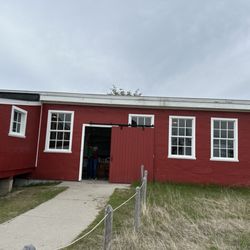
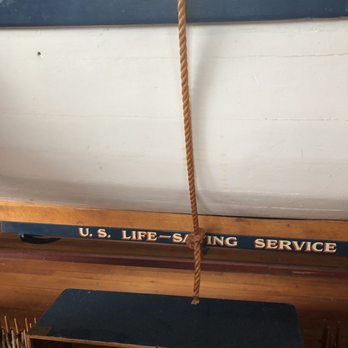
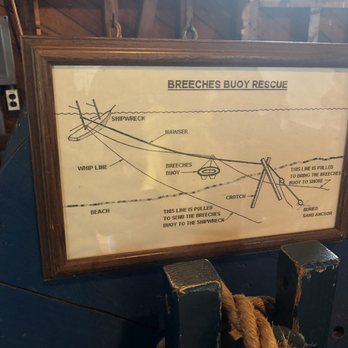
The volunteer that greeted us at the building interest was full of information. We learned quite a bit about how the rescue boats worked with the staff members did each day how little they were paid and how victims of shipwrecks were rescued. She also shared photos of some birds that were nesting behind the building, which we later got to see Live. The house on the same property had exhibits full of memorabilia and facts about how this building operated. We especially appreciated the volunteers, knowledge and enthusiasm. As we're leaving the property walking back to our car a porcupine waddled across the path, causing us to pause. Nature at its finest. read more

1 year ago

7 years ago
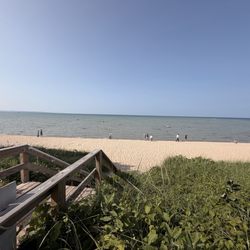
An Amazing Museum....so much of interest here! All original- restored . The area needed a life saving service with 292 incidents from 1835-1942 - when it was closed. The men were the original adrenaline "junkies". Two gorgeous rescue boats. Circa 1901 and 1880. Along the edge the oar locks are removable to climb in, its self-bailing with many hand-holds to help roll it over if capsized. Most of the rescue work was done with a small cart that was pushed along the beach to start the rescue. This area was the largest wheat grain shipper in the World in the late 1890s. And 270 million tons of Iron Ore in the Great Lakes in 2017 (taganite). Imagine! The Surfmen were paid 93 cents a day. read more





12 years ago