Fort Lincoln State Park Photos


More like Fort Lincoln State Park
Recommended Reviews - Fort Lincoln State Park
Start your review...




1 year ago
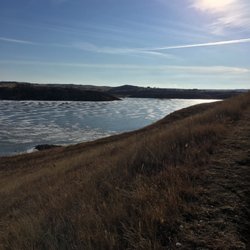
What a gem of a park! We camped for one night (could have easily stayed longer if we'd had more time) and enjoyed fishing and the historic sites. Ranger Austin was a friendly wealth of information and my 5 yo really enjoyed wearing the buffalo head dress he brought over. Our campsite faced the Missouri, which was sweet. However, all of the campsites are pretty close together. If I were to go back, I'd opt for site 1, which faces the river and has a little more space to it as it is close to a parking lot, but not obtrusively so. Also, the bathrooms were spotless and boasted the nicest campground shower I've ever had. read more

10 years ago
For a state with an abysmal and brutal record (in fact to the present day) of encounters with indigenous Americans (oh wait, that's not very distinguishing among other states is it?) this state park does quite an excellent job of presenting a rebuilt indigenous people's village. The cultural and linguistic explanations about the native people's way of seeing and thinking is especially noteworthy. The reconstructed "earthlodges" sit on the site of an actual, large settlement of a northern plains tribe from the 1700s. If you tour this site, you'll learn about the spread of smallpox from the Spanish populations further south, up the Mississippi and Missouri rivers, that weakened the entire population even before contact with the european invaders from the east. There are exhibit narratives about a tribal leader traveling to the east to meet with U.S. leaders, however, these narratives omit the brutal part of the european-native confrontation. Notably, the Whitestone massacre from the 1860s, where 300+ women and children at a big harvest camp were brutalized and killed, not too far from this exact site. (A "genocidal" action of the U.S. Army that provides historical precedent for the likes of Boko Haram.) Yes, history is told by the vanquishers, but in this case, a very dedicated woman of indigenous origin has spoken of her heritage through storytelling over many years, and her painstaking, tenacious work has paid off in the quality and insights available at this exhibit. You'll be enriched by insights into the native peoples' worldview. Additionally, I recommend a stop at the visitors center because the media there really brings alive the structures you see in the native village. The military forts at this state park are so predictable...and deceitful (because right to the present, few european americans want to admit and reconcile with the perpetration of atrocities.) read more


4 years ago

4 years ago
We really enjoyed this lovely park. The park ranger at the entrance was very helpful in telling us all the things the park had to offer. We're really glad we made the stop here. I would recommend it especially if you're looking for an educational experience for kids. read more




4 years ago


5 years ago

7 years ago

13 years ago
Nice place to visit for a few hours. It's $5/car for general admission and $6/person for guided tours. Visitors center/museum is nice, well laid out, and well kept. Knowledgable staff. It's a great lil gem for any history buff. read more


13 years ago

11 years ago

11 years ago

19 years ago


11 years ago