
East by West Photos


You might also consider

More like East by West
Recommended Reviews - East by West
Start your review...


Reviews With Photos


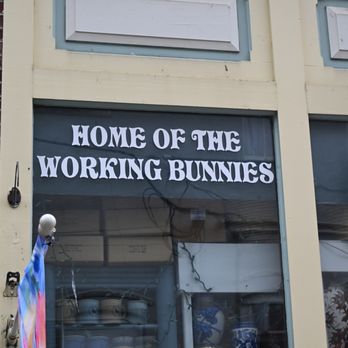
We had to come visit the working bunny! This is such a fun shop that has a lot of souvenir options available to purchase. I love that they adopt bunnies and raise money to help support the bunny community.


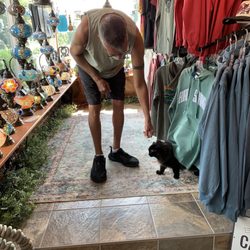
Had the absolute best time shopping around in here. I had seen videos of the working bunnies all over tiktok and facebook and had no idea they were so close in Eureka Springs! It was so exciting and fun and the employee working was so nice. He made sure we were ready and had the bunny pose for a picture! I would 100% go back again next time i'm in town.


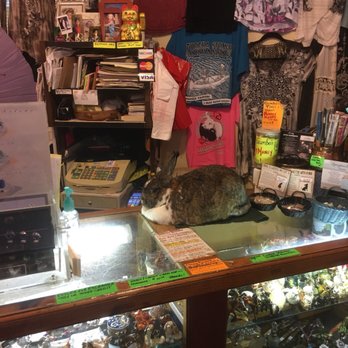
So, just so you know... TODAY is international bunny day! This is an adorable gift shop which is bunny-centric but also has local fare. On the day we visited, Gumbo the rabbit was assisting at the register and Sushi the bunny was hiding out working security. We got a Christmas gift for the boy and paid whereupon Gumbo game us the pen to sign with, our credit card back as well as the two receipts. Totes adorbs!!


So, this is pretty much just a random junk store. They allegedly had some bunnies that help with the financial transactions but I couldn't find anything worthy buying and the place was dead. I'm not even sure anyone was working, no one spoke to us in here. It was fun to browse the junk and kill time.


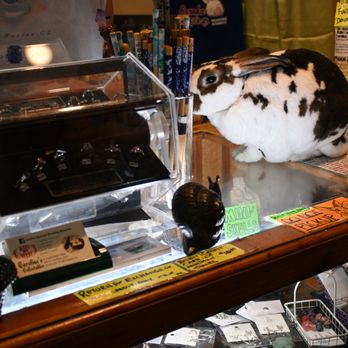
Interesting souvenir shop in downtown Eureka Springs. They sell all kind of cool exotic souvenirs including pretty nice scented soap made in London. There are two cute bunnies staying there: Tofu and Gumbo. The store owner is nice and the cool part is the "working bunny" Gumbo giving you change, receipt, and your purchase on the counter. It's worth a detour and watching the bunnies in the store.


Wow - you have to go to this store when you are in town! The store owner takes in rescue bunnies. Now here is the exciting part....when you pay, you have you money to a real live bunny. Then the bunny gives you your change! I have never seen anything like it.


2 months ago
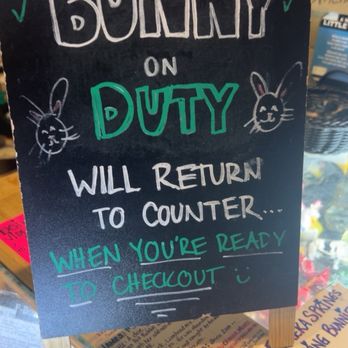
Very cute we stopped by and looked at the working bunnies and it was so much fun. There's even a bunny on break ha ha and we got to see him as well. There is a ton of unique items in here and it's definitely worth checking out and looking around read more



1 month ago

11 months ago
We had to come visit the working bunny! This is such a fun shop that has a lot of souvenir options available to purchase. I love that they adopt bunnies and raise money to help support the bunny community. read more


4 months ago
This was the very first place that I stopped with my family on a day trip to Eureka Springs. The bunnies were the main thing making the store interesting for the visit, but there were also some unique things that I was unable to find at other nearby stores. read more


1 year ago

4 years ago
Had the absolute best time shopping around in here. I had seen videos of the working bunnies all over tiktok and facebook and had no idea they were so close in Eureka Springs! It was so exciting and fun and the employee working was so nice. He made sure we were ready and had the bunny pose for a picture! I would 100% go back again next time i'm in town. read more


5 years ago
So, just so you know... TODAY is international bunny day! This is an adorable gift shop which is bunny-centric but also has local fare. On the day we visited, Gumbo the rabbit was assisting at the register and Sushi the bunny was hiding out working security. We got a Christmas gift for the boy and paid whereupon Gumbo game us the pen to sign with, our credit card back as well as the two receipts. Totes adorbs!! read more


So, this is pretty much just a random junk store. They allegedly had some bunnies that help with the financial transactions but I couldn't find anything worthy buying and the place was dead. I'm not even sure anyone was working, no one spoke to us in here. It was fun to browse the junk and kill time. read more


Interesting souvenir shop in downtown Eureka Springs. They sell all kind of cool exotic souvenirs including pretty nice scented soap made in London. There are two cute bunnies staying there: Tofu and Gumbo. The store owner is nice and the cool part is the "working bunny" Gumbo giving you change, receipt, and your purchase on the counter. It's worth a detour and watching the bunnies in the store. read more


Wow - you have to go to this store when you are in town! The store owner takes in rescue bunnies. Now here is the exciting part....when you pay, you have you money to a real live bunny. Then the bunny gives you your change! I have never seen anything like it. read more


5 years ago


9 years ago
More info about East by West

Ask the Community - East by West
Review Highlights - East by West












Why does Yelp recommend reviews?
1 review that is not currently recommended
The reviews below are not factored into the business's overall star rating.
14 years ago


