Didyma Photos
Recommended Reviews - Didyma
Start your review...



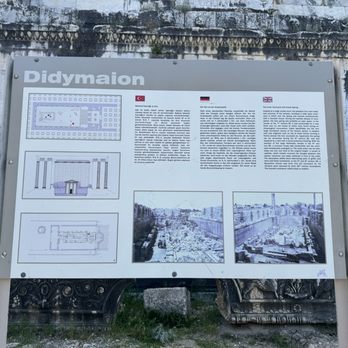
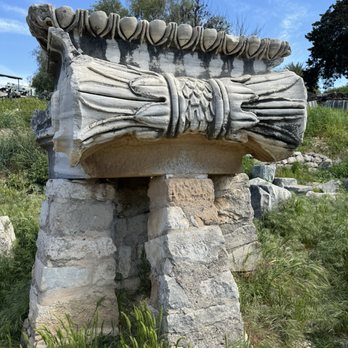
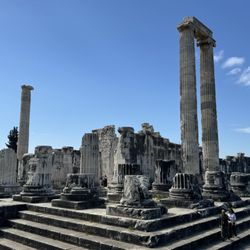
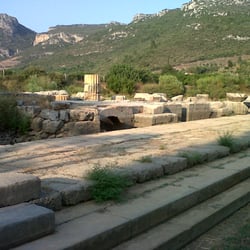
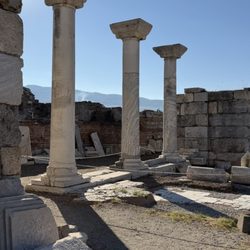
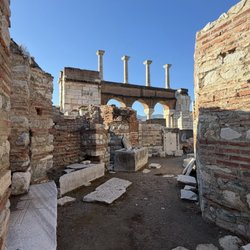
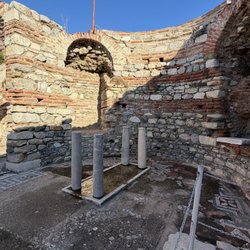
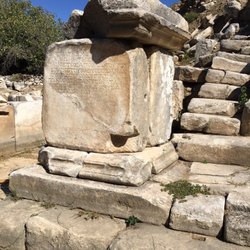
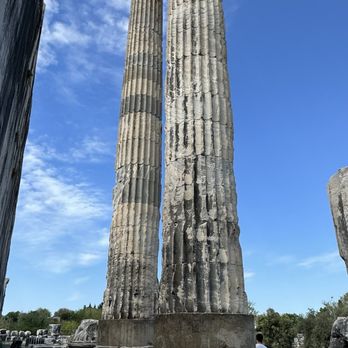
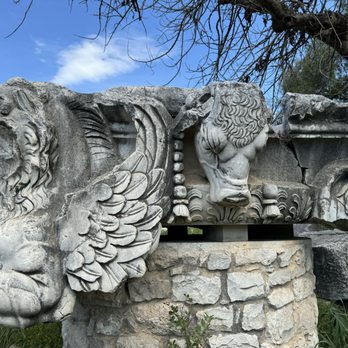
So amazing to be able to visit the Temple of Apollo at Didyma. Also known as Didymaion, it was the fourth largest temple in the ancient Greek world. Lucky to be able to visit on a sunny day with Ahmet from Tura Turizm. He pointed out so many unique features from sculptures of Medusa to the details on the soaring columns. Loved the history lesson followed by free time to explore the massive ancient temple. The temple's oracle, second in importance only to that at Delphi, played a significant role in the religious and political life of the Greco-Roman world. Many powerful rulers, from Alexander the Great to the Roman emperor Diocletian visited the oracle seeking the guidance and favor of Apollo. The temple was later converted into a church during the 5th or 6th century CE. The Didymaion was the third and largest temple that the Greeks built around the site of a natural spring. The spring was believed to be the source of the oracle's prophetic power. After the second temple was plundered and destroyed, legend stated that the sacred spring ceased to flow until Alexander the Great passed through on a conquest of his own and re-consecrated the site in 331 BCE. Not so coincidentally, the first recorded pronouncements of the reestablished oracle were in favor of the young Macedonian king. As was common for Greek temples of such an immense size, construction continued for centuries and the temple was never completed. For hundreds of years, the temple lacked a pediment and sculptural ornamentation. Several of the massive columns remained unfinished. Even so, the ruins today are still magnificent. While the exterior of the Didymaion appeared similar to an ordinary Greek temple, the interior was quite unique. Since the temple at Didyma was built around a sacred spring, the floor of the adyton had to be at ground level surrounding the sacred waters. To compensate for this issue, the ancient architects had to come up with a unique solution. They constructed two narrow vaulted tunnels that led from the top of the temple platform back down to the grassy floor of the adyton. This clever design allowed the Milesians to build a traditional-looking temple that rivaled the Artemision in Ephesus while also preserving the natural spring that had long been considered the sacred source of the oracle's power. The inner chamber of the Didymaion was open to the sky. This allowed the temple staff to cultivate a grove of sacred trees on the adyton floor. In this peaceful environment, nestled between trees and the sacred spring, stood a much smaller temple that held the cult statue of Apollo. Such a beautiful and impressive site. Definitely worth a visit to explore this ancient architectural masterpiece. read more