Dexter Parsonage Museum Photos



You might also consider


More like Dexter Parsonage Museum
Recommended Reviews - Dexter Parsonage Museum
Start your review...


Reviews With Photos


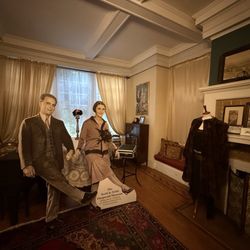
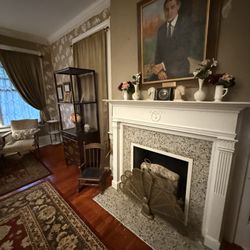
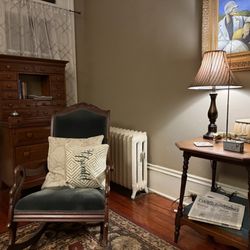
Very informative and helpful information. The tour guide was excellent. She answered all questions. We saw a film and she explained and described all the photos on the walls inside. They don't allow photographs indoors but you can take as many as you like outside. They tour every hour and close for lunch for touring between 12 to 1 pm. Admission was $7.00 very reasonable rates. A lot of the furniture in Martin Luther king Jr house is the original. Now imagine that. So glad l had a chance to visit and would highly recommend.


As I was driving down the street, my co-pilot tells me, "that's the house, that's MLK's house, don't pass it!". I looked around, saw no signs or plaques, so I parked in the first driveway I found. Ironically, I was parking where MLK used to park his car. We walked to the main building and took the tour that takes you inside the house. The tour itself is pretty short. To be inside the house, with practically all the original furnishings, was pretty amazing. It was like a dream come true for me, or actually, more like a reverie. It was very exciting. To culminate, we were allowed to take a picture at the table were MLK had his epiphany, in which he decides to stand for justice, for peace, and to trust in God. I was just speechless.


I found that interacting with tour guides and others was very rewarding. The tour guides share anecdotes and stories..and are very knowledgeable about Dr. MLK Jr and the civil rights movement. I was so thrilled that my tour guide stayed behind after the tour to talk to me. I think we talked for almost an hour reflecting on events that happened here and current events today. When you visit the museum just drive a few streets over and decide for yourself what 'progress' looks like. Just sayin. You start with a video and then tour the house. Altogether ..the home is very modest. And almost every fixture is exactly the original piece used by the Kings during their stay here decades ago. You can step over the spot where a bomb was projected on the front porch. You can stand in the kitchen where MLK had his great epiphany. You can see the Gandhi picture near his desk. Along the way, your tour guide brings the house alive. I'm going to tell you something about my personal experience here. This house is special. After I walked in and stepped towards the dining room table ...out of nowhere I had a feeling come over me that this house is a SPECIAL place. I wish I could explain what that looked and felt like. And you know what else? It was very peaceful. How fitting. Yep. I definitely believe Dr. MLK Jr. was certainly someone peaceful and special. This parsonage is an important piece of history. I feel like this museum merits more acclaim and attention than it gets. I guess that kind of humility is actually perfect here. When you go; open your mind.


January 12, 2013, Tony and I visited Montgomery Alabama checking out all the historical sites and enjoying the city. It was a really nice warm and comfortable day, the weather was awesome and so clear..We enjoyed walking through town. After visiting the Dexter Avenue King Memorial Baptist Church, we visited the Parsonage home on Jackson Street. Just a few short blocks back. It was a really nice stroll from the church. Just think walking the same paths that the King family must have walked. Amazing experience! Brief history of the Parsonage: The Dexter Parsonage Museum, historic home to twelve pastors of the Dexter Avenue King Memorial Baptist Church from 1920-1992, was placed on the National Register of Historic Places in 1982. It was restored in 2003 by the Dexter Avenue King Memorial Foundation, Inc., under the direction of church members, acting as an Authentication Committee Hours: Tuesday - Friday 10:00 a.m. -- 4:00 p.m. Saturday 10:00 a.m. -- 2:00 p.m If you visit Montgomery, check out this historical site and enjoy a walk through the lovely old city.


Even though my family and I weren't able to look inside of Dr MLK's home during our visit, we were able to take a stroll through the neighborhood, not knowing that his neighbors were Ministers and helpers who served as haven for the freedom riders.


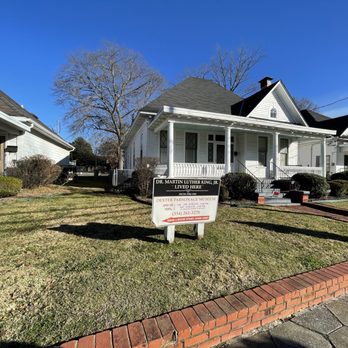
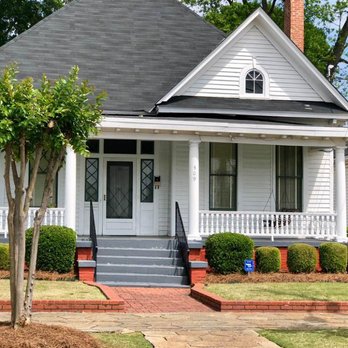
After touring the Dexter Avenue King Memorial Baptist Church, I headed to the parsonage a short drive away. There is plenty to see up and down the street so take the time to explore it and learn the history. The corner by the house is where MLK Jr. boarded the bus the day after the Montgomery Boycott ended! For nearly a year, buses were virtually empty in Montgomery. Boycott supporters walked to work--as many as eight miles a day--or they used a sophisticated system of carpools with volunteer drivers and dispatchers. Some took station-wagon "rolling taxis" donated by local churches. Montgomery City Lines lost between 30,000 and 40,000 bus fares each day during the boycott, but the company reluctantly desegregated its buses only after November 13, 1956, when the Supreme Court ruled Alabama's bus segregation laws unconstitutional. Long a home to African-American professionals, politicians and businessmen, South Jackson Street is in the heart of Centennial Hill, a neighborhood which developed in the 1870s. One block north at No. 309 is where MLK, Jr. lived. No. 341 was the home of John W. Jones, Lowndes County Senator in the Reconstruction legislature. Building on the NE corner was locally famous Grayson Candy Kitchen and on the SE corner is the former Ben Moore Hotel. Alabama State University is located at the south end of the street. My tour guide, Marguerite, who told me about the time she had swimming lessons with MLK Jr. They were both in their early 20's. I asked her what it was like growing up in a segregated world. She told me about the Morrison Cafeteria and how she always wanted to eat there but never could because she was black. Nearby was Oak Park, where they has a zoo. This was another place she never got to visit. She said she could hear the lion's roar and watch the white children giggling and playing. Dr. King became pastor of Dexter Avenue Baptist Church in September 1954. He led the Busy Boycott in 1955-56 as president of the Montgomery Improvement Association. Leaving Montgomery in 1960 he went on to national leadership in civil rights. This parsonage was built circa 1912 and served as the home for ministers of Dexter Avenue Baptist Church. Well before the March on Washington. Or his "I have a Dream" speech. There was a defining moment for Martin Luther King, Jr. And it came past midnight, in the kitchen of this home located at 309 South Jackson Street. King was 27 years old, two years into his role as pastor of nearby Dexter Avenue Baptist Church. Over the past month, King had been leading the Montgomery bus boycott, a decision that set off a series of death threats delivered via mail and phone to his residence -- as many as 30 to 40 calls daily, often at night. Normally, King could put the phone down and go back to sleep. But one call, on the night of January 27, 1956, stood out. As King's wife, Coretta, and 10-week-old daughter, Yolanda, slept in the master bedroom nearby, the voice on the other end of the line said: "N, we're tired of your mess. And if you aren't out of this town in three days, we're going to blow up your house and blow your brains out." Shaken, King went to the kitchen, made himself a cup of coffee, but soon buried his face in his hands. He began to pray aloud: "Lord, I'm down here trying to do what's right ... But ... I must confess ... I'm losing my courage." King later explained what happened next: "I could hear an inner voice saying to me, 'Martin Luther, stand up for truth. Stand up for justice. Stand up for righteousness.'" MLK's fears ceased but the threats didn't. Several days later, around 9 p.m., a bomb exploded on the front steps of the house. No one inside was hurt. All these years later, though, traces of the bomb -- gnashes in concrete -- are still visible to the right of the front door. If you look at the previous picture, you'll notice the windows look different on the right side of the home compared to the rest of the house because of the bombing. After King had verified that his wife and daughter were unhurt, he addressed the angry crowd of African Americans outside. "Don't do anything panicky," he advised. "I did not start this boycott. I was asked by you to serve as your spokesman. I want it to be known the length and breadth of this land that if I am stopped, this movement will not stop." In February 1957, when King was alone in the parsonage with Morehouse College friend Bob Williams, something disturbed King. He told Williams they should leave the parsonage immediately. Several hours later, after the two men had gone to Williams' house, a bomb exploded outside the parsonage, crushing the front part of a house and shattering the windows of three parked taxis, injuring the drivers. At the empty parsonage, 12 sticks of dynamite lay on the front porch. Only a few days after the bombing, police arrested seven white men. Two of them admitted to the crime, but despite their signed confessions, they were acquitted by a jury.


Come for the beautiful moments in history. Stay to watch Dr. Ms. Cherry entertain your crowd! Tours of the Dexter Parsonage Museum usually stick to a basic (and dated) video about the life and death of Martin Luther King, Jr. But we were in for a special treat! We were invited into MLK's Montgomery home (1954-1960) and given a walking tour through the property. Visitors can easily tell the painstaking effort to keep in period furniture and, more appropriately, the stress and strain of having to maintain a nonviolent movement in the face of considerable racist opposition. Granted, we were a very large group so different parts of the tour felt a little cramped. Nevertheless, Dr. Ms. Cherry was a most engaging speaker. She combined considerable insight and wit with a fresh touch of that Deep South Black grandma, don't you interrupt folks when they talkin'! A crowning moment of awesome happened when my bunk mate held open the door for Dr. Ms. Cherry when she came into the main house of the museum. She thanked his graciousness by letting him unlock the door to the MLK residence. Awesome! My most favorite part of the tour was in the kitchen. Dr. Ms. Cherry clapped a hand on my shoulder without warning, pulled me in, and told us to look at the kitchen table. She explained that, unlike every other night, MLK put a vase full of artificial carnations on the table instead of roses because he was afraid he might be killed one night. That elicited a lot of tears from the crowd. To cap off the tour, we walked a few doors down to a resident who knew MLK and has been living on Jackson Street for over fifty years. She asked us all to walk on her porch and graciously shook hands and thanked us for the visit. This is every bit an endearing tour as there ever was one. It's hard to capture in words but your spirit will know it.


Without the street signs we would have missed this place. We were sad to see that it was closed the day we went to visit.
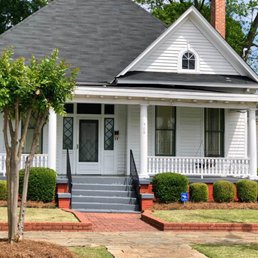

Such an amazing part of our history. This home is quietly tucked back on a side street and honestly was not very busy. I drove right up and had the place to myself. It was like stepping back into the 60's again. Don't miss this home.
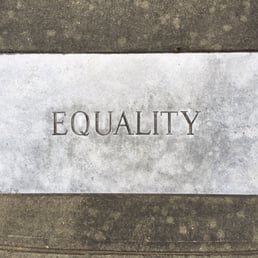

Visiting this Museum is a MUST SEE if you are in the area. As I took a tour through the Dexter house, my life changed for the better. Dr. Shirley Cherry couldn't be more inspiring. I had goosebumps on my skin and tears in my eyes the entire tour. The experience of stepping back into the time of the civil rights movement in indescribable. Just go. Now.


It was surreal being here and the tour guide was excellent! She actually went to church with the Kings! I enjoyed the history lesson and going back in time. I will continue to visit! Thanks! xoxo


3 years ago
I didn't think that I would have time to even get near here, but I was fortunate enough to get here. See, for our conference we ventured out one day and on our ride back, our bus driver was doing an impromptu tour of Montgomery and hitting some of the major historical sites. When we pulled up here the bus driver stopped an allowed us to hope out to take in the site and take some pictures. Since it was a quick stop, I cannot speak to the museum portion of this, but I can speak to the outside grounds. Being able to see where Dr. Martin Luther King, Jr. lived while he was in Montgomery was quite the moving event. The historical plaque outside was full of information and the house itself was quaint. Montgomery is full of history and I am glad that I got to see so many of Montgomery's historical sites in my short amount of time here. read more

7 months ago

This was a very great site to see. I was not able to go inside as they are currently closed down for covid but either way it is great to see history staying intact. I really enjoy how this is also in the middle of a neighborhood as well, not some fake museum on acres of land. Dr. King did so much for the world as we know it, it was an honor to stop by here and to sit on the same steps of a house he previously occupied. read more


Very informative and helpful information. The tour guide was excellent. She answered all questions. We saw a film and she explained and described all the photos on the walls inside. They don't allow photographs indoors but you can take as many as you like outside. They tour every hour and close for lunch for touring between 12 to 1 pm. Admission was $7.00 very reasonable rates. A lot of the furniture in Martin Luther king Jr house is the original. Now imagine that. So glad l had a chance to visit and would highly recommend. read more


As I was driving down the street, my co-pilot tells me, "that's the house, that's MLK's house, don't pass it!". I looked around, saw no signs or plaques, so I parked in the first driveway I found. Ironically, I was parking where MLK used to park his car. We walked to the main building and took the tour that takes you inside the house. The tour itself is pretty short. To be inside the house, with practically all the original furnishings, was pretty amazing. It was like a dream come true for me, or actually, more like a reverie. It was very exciting. To culminate, we were allowed to take a picture at the table were MLK had his epiphany, in which he decides to stand for justice, for peace, and to trust in God. I was just speechless. read more


10 years ago
I found that interacting with tour guides and others was very rewarding. The tour guides share anecdotes and stories..and are very knowledgeable about Dr. MLK Jr and the civil rights movement. I was so thrilled that my tour guide stayed behind after the tour to talk to me. I think we talked for almost an hour reflecting on events that happened here and current events today. When you visit the museum just drive a few streets over and decide for yourself what 'progress' looks like. Just sayin. You start with a video and then tour the house. Altogether ..the home is very modest. And almost every fixture is exactly the original piece used by the Kings during their stay here decades ago. You can step over the spot where a bomb was projected on the front porch. You can stand in the kitchen where MLK had his great epiphany. You can see the Gandhi picture near his desk. Along the way, your tour guide brings the house alive. I'm going to tell you something about my personal experience here. This house is special. After I walked in and stepped towards the dining room table ...out of nowhere I had a feeling come over me that this house is a SPECIAL place. I wish I could explain what that looked and felt like. And you know what else? It was very peaceful. How fitting. Yep. I definitely believe Dr. MLK Jr. was certainly someone peaceful and special. This parsonage is an important piece of history. I feel like this museum merits more acclaim and attention than it gets. I guess that kind of humility is actually perfect here. When you go; open your mind. read more


14 years ago
January 12, 2013, Tony and I visited Montgomery Alabama checking out all the historical sites and enjoying the city. It was a really nice warm and comfortable day, the weather was awesome and so clear..We enjoyed walking through town. After visiting the Dexter Avenue King Memorial Baptist Church, we visited the Parsonage home on Jackson Street. Just a few short blocks back. It was a really nice stroll from the church. Just think walking the same paths that the King family must have walked. Amazing experience! Brief history of the Parsonage: The Dexter Parsonage Museum, historic home to twelve pastors of the Dexter Avenue King Memorial Baptist Church from 1920-1992, was placed on the National Register of Historic Places in 1982. It was restored in 2003 by the Dexter Avenue King Memorial Foundation, Inc., under the direction of church members, acting as an Authentication Committee Hours: Tuesday - Friday 10:00 a.m. -- 4:00 p.m. Saturday 10:00 a.m. -- 2:00 p.m If you visit Montgomery, check out this historical site and enjoy a walk through the lovely old city. read more


6 years ago
Even though my family and I weren't able to look inside of Dr MLK's home during our visit, we were able to take a stroll through the neighborhood, not knowing that his neighbors were Ministers and helpers who served as haven for the freedom riders. read more


4 years ago

13 years ago
After touring the Dexter Avenue King Memorial Baptist Church, I headed to the parsonage a short drive away. There is plenty to see up and down the street so take the time to explore it and learn the history. The corner by the house is where MLK Jr. boarded the bus the day after the Montgomery Boycott ended! For nearly a year, buses were virtually empty in Montgomery. Boycott supporters walked to work--as many as eight miles a day--or they used a sophisticated system of carpools with volunteer drivers and dispatchers. Some took station-wagon "rolling taxis" donated by local churches. Montgomery City Lines lost between 30,000 and 40,000 bus fares each day during the boycott, but the company reluctantly desegregated its buses only after November 13, 1956, when the Supreme Court ruled Alabama's bus segregation laws unconstitutional. Long a home to African-American professionals, politicians and businessmen, South Jackson Street is in the heart of Centennial Hill, a neighborhood which developed in the 1870s. One block north at No. 309 is where MLK, Jr. lived. No. 341 was the home of John W. Jones, Lowndes County Senator in the Reconstruction legislature. Building on the NE corner was locally famous Grayson Candy Kitchen and on the SE corner is the former Ben Moore Hotel. Alabama State University is located at the south end of the street. My tour guide, Marguerite, who told me about the time she had swimming lessons with MLK Jr. They were both in their early 20's. I asked her what it was like growing up in a segregated world. She told me about the Morrison Cafeteria and how she always wanted to eat there but never could because she was black. Nearby was Oak Park, where they has a zoo. This was another place she never got to visit. She said she could hear the lion's roar and watch the white children giggling and playing. Dr. King became pastor of Dexter Avenue Baptist Church in September 1954. He led the Busy Boycott in 1955-56 as president of the Montgomery Improvement Association. Leaving Montgomery in 1960 he went on to national leadership in civil rights. This parsonage was built circa 1912 and served as the home for ministers of Dexter Avenue Baptist Church. Well before the March on Washington. Or his "I have a Dream" speech. There was a defining moment for Martin Luther King, Jr. And it came past midnight, in the kitchen of this home located at 309 South Jackson Street. King was 27 years old, two years into his role as pastor of nearby Dexter Avenue Baptist Church. Over the past month, King had been leading the Montgomery bus boycott, a decision that set off a series of death threats delivered via mail and phone to his residence -- as many as 30 to 40 calls daily, often at night. Normally, King could put the phone down and go back to sleep. But one call, on the night of January 27, 1956, stood out. As King's wife, Coretta, and 10-week-old daughter, Yolanda, slept in the master bedroom nearby, the voice on the other end of the line said: "N, we're tired of your mess. And if you aren't out of this town in three days, we're going to blow up your house and blow your brains out." Shaken, King went to the kitchen, made himself a cup of coffee, but soon buried his face in his hands. He began to pray aloud: "Lord, I'm down here trying to do what's right ... But ... I must confess ... I'm losing my courage." King later explained what happened next: "I could hear an inner voice saying to me, 'Martin Luther, stand up for truth. Stand up for justice. Stand up for righteousness.'" MLK's fears ceased but the threats didn't. Several days later, around 9 p.m., a bomb exploded on the front steps of the house. No one inside was hurt. All these years later, though, traces of the bomb -- gnashes in concrete -- are still visible to the right of the front door. If you look at the previous picture, you'll notice the windows look different on the right side of the home compared to the rest of the house because of the bombing. After King had verified that his wife and daughter were unhurt, he addressed the angry crowd of African Americans outside. "Don't do anything panicky," he advised. "I did not start this boycott. I was asked by you to serve as your spokesman. I want it to be known the length and breadth of this land that if I am stopped, this movement will not stop." In February 1957, when King was alone in the parsonage with Morehouse College friend Bob Williams, something disturbed King. He told Williams they should leave the parsonage immediately. Several hours later, after the two men had gone to Williams' house, a bomb exploded outside the parsonage, crushing the front part of a house and shattering the windows of three parked taxis, injuring the drivers. At the empty parsonage, 12 sticks of dynamite lay on the front porch. Only a few days after the bombing, police arrested seven white men. Two of them admitted to the crime, but despite their signed confessions, they were acquitted by a jury. read more


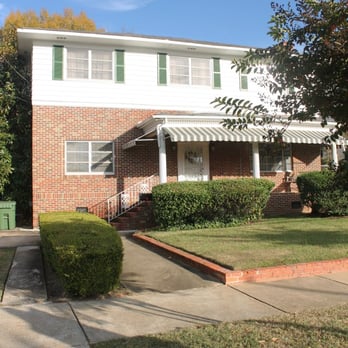


Come for the beautiful moments in history. Stay to watch Dr. Ms. Cherry entertain your crowd! Tours of the Dexter Parsonage Museum usually stick to a basic (and dated) video about the life and death of Martin Luther King, Jr. But we were in for a special treat! We were invited into MLK's Montgomery home (1954-1960) and given a walking tour through the property. Visitors can easily tell the painstaking effort to keep in period furniture and, more appropriately, the stress and strain of having to maintain a nonviolent movement in the face of considerable racist opposition. Granted, we were a very large group so different parts of the tour felt a little cramped. Nevertheless, Dr. Ms. Cherry was a most engaging speaker. She combined considerable insight and wit with a fresh touch of that Deep South Black grandma, don't you interrupt folks when they talkin'! A crowning moment of awesome happened when my bunk mate held open the door for Dr. Ms. Cherry when she came into the main house of the museum. She thanked his graciousness by letting him unlock the door to the MLK residence. Awesome! My most favorite part of the tour was in the kitchen. Dr. Ms. Cherry clapped a hand on my shoulder without warning, pulled me in, and told us to look at the kitchen table. She explained that, unlike every other night, MLK put a vase full of artificial carnations on the table instead of roses because he was afraid he might be killed one night. That elicited a lot of tears from the crowd. To cap off the tour, we walked a few doors down to a resident who knew MLK and has been living on Jackson Street for over fifty years. She asked us all to walk on her porch and graciously shook hands and thanked us for the visit. This is every bit an endearing tour as there ever was one. It's hard to capture in words but your spirit will know it. read more


12 years ago
Without the street signs we would have missed this place. We were sad to see that it was closed the day we went to visit. read more


8 years ago
Such an amazing part of our history. This home is quietly tucked back on a side street and honestly was not very busy. I drove right up and had the place to myself. It was like stepping back into the 60's again. Don't miss this home. read more


10 years ago
Visiting this Museum is a MUST SEE if you are in the area. As I took a tour through the Dexter house, my life changed for the better. Dr. Shirley Cherry couldn't be more inspiring. I had goosebumps on my skin and tears in my eyes the entire tour. The experience of stepping back into the time of the civil rights movement in indescribable. Just go. Now. read more

13 years ago
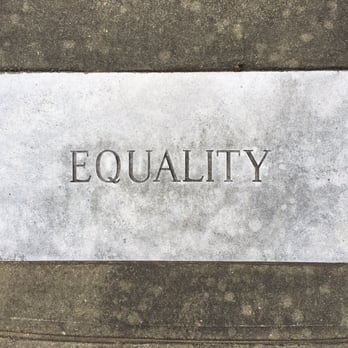
It was surreal being here and the tour guide was excellent! She actually went to church with the Kings! I enjoyed the history lesson and going back in time. I will continue to visit! Thanks! xoxo read more


7 years ago

10 years ago
Dr. Shirley Cherry, Tour Director gave us the VIP treatment and taught us about love and equality and justice just as the legendary Dr. King. She is a wonderful tour guide, very passionate about teaching us civil rights history, but more importantly, she's a wonderful example of the agape love we should show one another. read more


9 years ago

14 years ago

9 years ago


14 years ago

11 years ago

10 years ago

10 years ago
8 years ago
9 years ago

10 years ago
10 years ago
12 years ago
More info about Dexter Parsonage Museum
303 S Jackson St
Montgomery, AL 36104
Directions
(334) 261-3270
Call Now
Hours
Other Amenities
Ask the Community - Dexter Parsonage Museum
Review Highlights - Dexter Parsonage Museum



















Why does Yelp recommend reviews?
2 reviews that are not currently recommended
The reviews below are not factored into the business's overall star rating.

9 years ago

11 years ago


