
DDR Museum Photos

Recommended Reviews - DDR Museum
Start your review...


Reviews With Photos


A great interactive museum with lots of information about what life was like in the German Democratic Republic. There is a lot of reading to do so I definitely recommend allowing yourself enough time to go through each section. I went at 3:30pm on a Wednesday and it was pretty busy, with so much interactivity and reading I do feel like I missed a little because of the crowd. Overall I recommend it if you have the time!


I'm not the biggest museum guy but this was really cool to see. At first I was a bit confused and thought GDR was west Germany, but this whole museum is about East Germany and the communist part before the Berlin Wall fell. As an American who is pretty much taught nothing about global history in public school growing up, I learned so much. A lot of things clicked for me that I didn't understand in the past. I like how interactive this museum is, like you gotta open cabinets and the reading is not too too dense. I truly learned a lot. It was cool to see the East Berlin housing establishment and how it functioned. The Bruce Springsteen music cabinet was sooo cool. Really nostalgic for me. I always heard of that song but I didn't know it was heard around the world. Bruce Springsteen has a lot of balls for playing "Born in the USA" in communist East Berlin. Also, that looked like an amazing crowd, wish I could time travel.


To be honest I was not so impressed with the DDR museum. I guess as a historian I expected more. However, some information is better then no information at all.


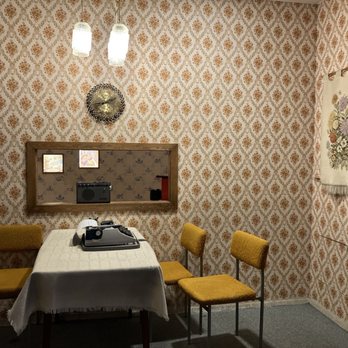
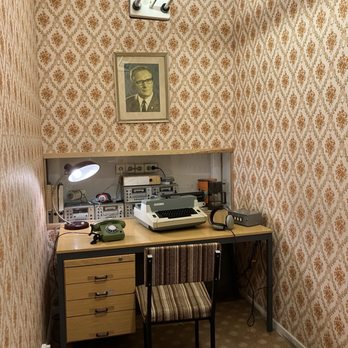
Very interesting museum in a neat location close to Alexanderplatz as well as Museum Island. It is a small museum and if it's not crowded, you can probably do the entire thing in 90 min to two hours and that is if you read every drawer or door that you can open. This museum serves as a good primer for what life was like in East Germany after WW II. It's interesting to see how things started and then how they ended up. Good intentions only go so far, but you can't change human nature! Although most of the museum focuses on the bad parts of living in the DDR, it also sheds some light on some ideals (such as women in the workforce) that were actually pretty progressive even if the execution didn't quite work out as well as anticipated. The model apartment was very neat and made you feel like you were in an East German housing bloc when you walked in. The parts about industry in East Germany I found particularly interesting. There were a lot of smart people there who had to make due with limited resources and access to global technology so it's kind of amazing they were able to produce some of the things they did. Make sure you hold onto your ticket as you need to scan it when you exit through the gift shop. It's a little pricey for the size (my admission was almost €10, which seemed a lot for what you get) but as the museum was well done, I won't get too bent out of shape about it. Also, I went late in the evening, about 6:30 pm and finished about 10 minutes before closing time which was 8:00 pm and it wasn't too crowded then. Due to the small size, it can definitely get overcrowded so plan accordingly.


This museum is a neat, immersive way to get an overview into Cold War history in Berlin. The exhibits are very interactive so you get to experience what shopping, living and everyday life was like.


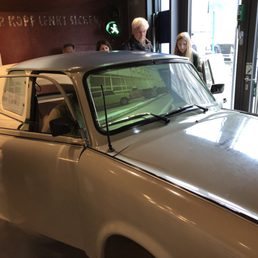
The DDR museum is a hands-on museum even little ones will enjoy. If you have the chance, purchase a timer ticket online to save a couple Euros and some time waiting in line. Remember to keep your ticket as you need to scan it once again to exit the museum to the gift shop. Up to two hours is more than enough time here. The museum is pretty small, but it's packed with information. Pull drawers or open cabinets to reveal interactive displays or reading material. Be prepared to read! The main attraction in the first small room was the simulated car where you had the chance to be the driver. The line for this can be rather long because there isn't anyone monitoring it. My favorite area had to be the various rooms in a house...was interesting to see and read how life was back then. Don't pull the red knob in the elevator or you'll be in for a surprise! C loves playing with the mini foosball table and the kindergarten room. He probably could have spent half the day playing in there! With the museum being so small, bring your patience as certain areas got crowded quickly. The DDR Musuem is definitely worth a visit!


I'm a huge cold war buff and was a little disappointed in this museum. I expected to see more stuff. But what was there and how it was laid out was very cool. Interactive. Best part about this place is the interactive Teraban business plan game. Basically, there is no way to run the plant without failure. On Weelends this place is packed. But even when busy, its easy to see everything. If you want to look at a good collection of East German good, go down the street a few blocks to the DDR motorcycle museum.


It's easy to see the flaws in authoritarian communism, but apparently creating a museum highlighting those flaws is a more difficult endeavor. This was made apparent by the long queue outside the DDR (East Germany) Museum that greeted Scott and I when we arrived one rainy, Monday afternoon. It was a slow, hypothermic, breadline of a wait that winded its way into the underground entrance which resembled what I would imagine a Cold War-era bomb shelter to be like. Once we were in and given our daily ration - one 9.5€ entry ticket, we were on our way; on our way to discover the throws of daily pre-1989 East German life, including steroidal sports and cars with lawn mower engines. Did you know that East German kindergarten teachers made children poop together in solidarity? Amazing (100% true. Look it up). Another tid bit- East Germans loved sunbathing nude, and in the Baltic Sea of all places, where your nuts shrivel up from the first sight of seeing another East German nude. . . Totally kidding Merkel, you're great. The water is just really cold. But perhaps the most remarkable feature of the DDR Zee-um is the inefficiently of its exhibits. I'm talking cabinet after drawer of post-war, Stalinist realism. Every caption, video, and artifact required us to climb, duck, and lift our way to the information showcased, sort of like how the DDR itself made acquiring information a tall order. I was even dinged on the chin once by someone opening a cabinet too quickly near my face. Suffice it to say, Scott and I had had enough and we headed to the gift shop where Scott purchased two shirts for like 30€ each. Thank God for capitalism!

I absolutely loved this extremely interactive museum. I did have to wait outside in the rain to get tickets but it was worth it. It was really crowded so I had to wait a few times at the exhibits to be able to open drawers and cabinets to see inside. There were English and German captions on everything. It was very interesting to read about the lifestyle of people in East Berlin behind the wall.


12 years ago
Business owner information

Gordon V.
Dear Courtney L., thanks for your review and positive feedback about…

14 years ago

7 years ago

15 years ago

8 years ago


10 years ago

12 years ago

11 years ago
Completely touristy museum but still very, very interesting. It showcases of what life was like in East Germany during Communist occupation. Displays everything from what cars they drove to school and household items, toys and even a model home. There's even an interrogation room. Like I said, it's touristy to the point of bordering cheesy but it was extremely interesting and highly recommend checking this museum out. Admission is €7 and you get a discount with the Welcome Berlin card so it's definitely worth it. read more


7 years ago

14 years ago

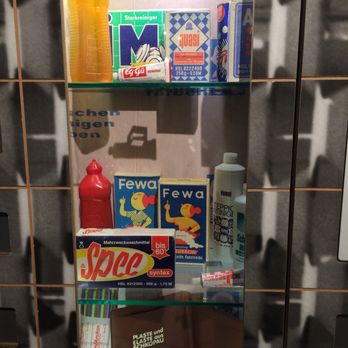
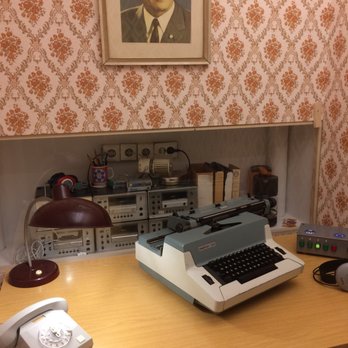
DDR Museum is very interesting and showcases what life was like behind the Berlin Wall under Socialism. It's quite interactive with lots of displays you can touch and play with, so youngsters will love it, but it's good for adults too. There are rooms recreated and furnished just like an authentic 1970/80s WBS 70 high rise apartment tower block. However, depending on how old you are some of the rooms won't look that unfamiliar - I remember lots of furnishings and household items from my own Northern Irish childhood! This museum is full of old cars, motorbikes, food packaging and fascinating information. Though it was extremely busy and quite difficult to get close to artefacts and displays to look at them properly or read information - this is a Museum which really should limit visitor numbers to ensure people can utilise it properly. My advice would be to go very early in the day to avoid the huge crowds of tourists... read more







9 years ago


14 years ago

13 years ago

8 years ago

13 years ago

16 years ago

15 years ago


7 years ago


9 years ago

15 years ago

11 years ago

17 years ago
13 years ago
Business owner information
Gordon V.
Hallo Franziska,…

14 years ago

12 years ago
16 years ago
12 years ago

11 years ago
10 years ago
Business owner information
Gordon V.
Dear Eric Y., thanks for your feedback. The reason why so many people…
More info about DDR Museum
Karl-Liebknecht-Str. 1
10178 Berlin
Germany
Mitte
Directions
030 847123730
Call Now
Visit Website
https://www.ddr-museum.de
Hours
Other Amenities
From the Business
DDR Museum Reviews in Other Languages
Review Highlights - DDR Museum















Why does Yelp recommend reviews?
28 reviews that are not currently recommended
The reviews below are not factored into the business's overall star rating.
18 years ago
18 years ago
17 years ago
15 years ago
13 years ago
18 years ago

16 years ago
18 years ago

12 years ago

16 years ago
14 years ago
13 years ago
14 years ago
18 years ago
13 years ago
18 years ago
11 years ago
18 years ago

14 years ago
18 years ago


