Catedral Photos


Recommended Reviews - Catedral
Start your review...



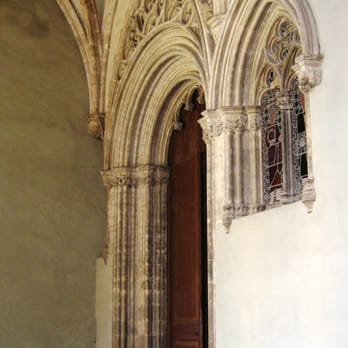
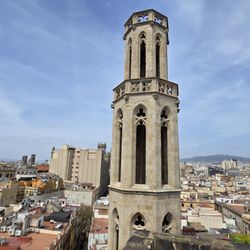
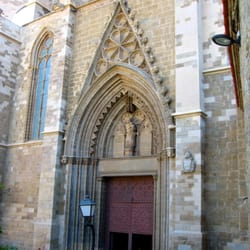
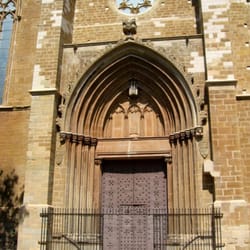
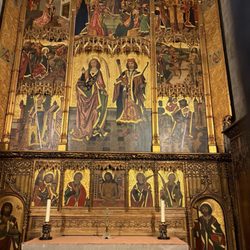
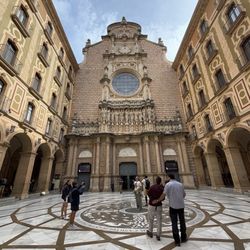
Vic's Cathedral spans the period from the 10th to the 20th centuries, and is one of the city's most important monuments. History At first sight, the imposing façade suggests that this is yet another late 18th century classical work, and indeed the main part of the church dates from a comprehensive rebuilding to designs by the architect Josep Moretó i Codina, completed in 1803. But its history dates back to the 6th century, when a cathedral was first recorded in Vic, albeit probably on another site. This was destroyed in the Moorish invasion in the 8th century, but a new cathedral in the lower part of the city was built a century later when Wilfrid the Hairy reconquered the area from the Moors. The present cathedral was begun late in the 10th century and consecrated in 1038 by Bishop Oliba, in the Romanesque style. From this period, the impressive bell tower, the intimate crypt and lower part of the cloister survive. The crypt was walled up in the 15th century and only rediscovered in the 1940s. The upper part of the cloister was rebuilt in the late Gothic style in the 14th century, and other Gothic elements include the Chapter House and Chapel of the Holy Spirit. However, the 18th Century rebuilding now dominates the complex, albeit it with some altar pieces and other artworks from the earlier church. The church From the square in front of the west end, the cathedral presents an entirely classical appearance, in an elegant if rather spare Baroque. To the north, adjacent to the new Episcopal museum, is the original 12th century detached bell tower, which rises 46m with seven floors, each separated by Romanesque blank arcading a typically Catalan arrangement. There are two round-arched openings in the third floor, a linked pair of openings separated with a column at the fourth, and the fifth and sixth have three linked openings, separated by columns. The upper storey has simple crude pillars supporting a pyramidal cap. Inside, the spacious nave is dominated by an arcade of three bays of vast, black square Corinthian columns, with chapels off each bay of the aisles. The scale is impressive, although the style makes it rather ponderous. The nave leads to a crossing and an apsidal chancel with a generous ambulatory. For the most part, the chapels are not especially interesting, but the nave is in any case dominated by a 20th Century decorative theme by the Catalan painter Josep Maria Sert. Sert's work was destroyed by a fire during the Civil War, but he was commissioned to repaint the murals which cover most of the nave walls from 1939 to 1945. The theme is Redemption, covering the Fall, Crucifixion, Ascension and the martyrdom of several saints. The figures are muscular and dramatic, although the dark, subdued palette rather reinforces the heaviness of the interior. For a small fee, you can visit the Treasury, crypt and cloister. The crypt is a wonderfully intimate space in many ways the nicest pat of the Cathedral - and survives from the original 11th century cathedral, and includes 10th century Moorish capitals. The cloister is on two levels; the lower part (inaccessible to visitors) has the plain rounded arches of the original 12th century cathedral, but the upper level is a confident example of 14th century Decorated Gothic, with delicate capitals incorporated into the tracery on various Biblical themes. Practicalities There is limited parking nearby, but the Cathedral is only a 10 minute walk from the bus and train stations. There are lots of steps to the main entrance, although the main part of the cathedral is level inside (more steps to the crypt and cloister). A short guide is available (in different languages) from the entrance to the ambulatory, where you pay the fee for the crypt and cloister. read more