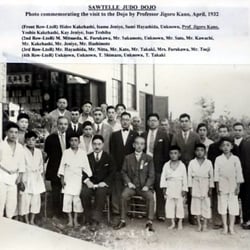
I joined the Sawtelle Judo Dojo in July 2009.
I was a brand…read morenew white belt, with only a 3-4 months of training from SFV Judo dojo.
Judo, from my very personal point of view, is different from many other martial arts, especially for those that have BJJ background.
Many of Judo Dojos are run by volunteers. All dojos I have visited and learned from are non-profit. This means a several things.
1. No one makes money, especially the instructors. They are there for the love of Judo. They love teaching Judo, and want to continue the spirit of Judo by giving away their time and effort.
2. The tuition is almost naught. Where could you possible learn martial arts, let alone work out, and only expect to pay $25-$30 a month? Many BJJ schools easily charge $150 or more a month.
I learned a great deal of many things, and am still learning, about Judo, and a life in general.
Things I learned.
1. Get rid of ego.
Sensei teaches us to leave the ego out of door, and come in to dojo in humble mind. Judo is not a sport of equality and democracy. It's a hierarchical martial art, in which you expect the Senseis and Senpais (instructors and seniors) to guide you, and students to follow their steps. You always respect your partners and everyone around you. They are there to help you grow as a judo person. Age does not matter. If they are senseis and senpais, you are expected to listen to their instructions. They do so to make sure people engage in sport in safe and proper manner.
2. Be consistent.
Judo is not an easy sport or martial art. It takes many years of hard work, just to get a simple shoulder throw right. This also relates to the 'get rid of ego' statement. I learned a great deal from many different senseis and senpais, from Sawtelle Dojo, LA Tenri Dojo, SFV Dojo, and San Jose State University Dojo. They respect not the great competitors, but consistent and hard working people. Be consistent, and contribute to the success of your judo, and overall well-beings of your Dojo. You will reap the benefit greatly.
3. Be polite.
No one is there to hurt you. Judo is one of the safest contact sports. However, there is always a chance for injury if things do not go properly.
This means you really have to focus and do Judo as properly as your senseis and senpais teach. Being too aggressive and too competitive will only hurt you both mentally and physically. Of course, in the end, people are people, and there will be some big-headed people that want to show off. However, I can say from the bottom of my heart that 99% of judo people are humble that are polite and respectful. But, if you are not a polite and respectable student, the senseis and senpais will make sure you become one, or you will not be welcome at the dojo.
4. Again, be consistent.
I have seen many injuries for the past 6 years of training Judo.
I myself have broken a few fingers and toes. I had shoulder injury requiring surgery. And just two months ago, my ACL was torn, and I am currently recovering from the surgery.
But, I do not intend to stop my training. No one is perfect, and injuries do happen. Your training partners, and even your senseis/senpais MIGHT cause injury to you, but no one does that on purpose. Please remember that.
I have seen others getting broken knees and also lose some teeth too, due to a very aggressive sparring session. I actually saw TEETH flying around.
But, at the end of the training, people are always respectful, and apologetic if injuries do occur.
Even with injuries, people DO come back to Judo training year after year. There is a reason why Dojos like Sawtelle have been around for almost 100 years, and people are constantly coming in, and stay for many years.
5. Be a part of the family.
Judo community is a family community. I mean it. This is so very true. Unlike other martial arts, you can take your judogi, and visit any Judo dojos, in the US and around the world, and they will welcome you with open arms, as long as you show your respect to the dojo and people there. We all learn the same techniques, and we all suffer from the same mistakes. Even if the languages might be different, all teachings are taught in the same terminologies (Japanese), and at the end of the workout, you truly feel that Judo is just one family after all.
Since most of Judo dojos are run by non-profit volunteers, that means the students need to give back. Dojo cleaning, fund raising, and any other events that require man-power DO NEED students' participation. The more you participate in your dojo's activities, the closer and tighter family you become, to your dojo and to Judo in general.
One of my Senpais from San Jose State University Judo once told me.
"Judo does not owe you anything. You owe everything to Judo."
That statement really hits me. I really owe lots to Judo, and it all started from my humble and small beginning as a white belt at Sawtelle Judo dojo.
Interested in Judo? Sawtelle is a great place to start!!