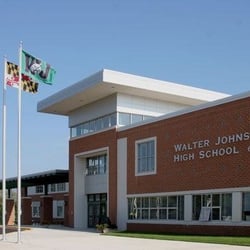
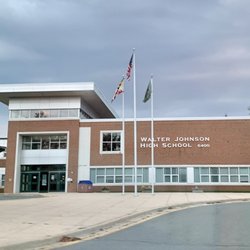
I graduated in 2016 from the Humanities program. For the program, there were phenomenal English,…read moreMedia Production, and Social Studies classes. I loved the projects and fun class activities we got to do in Media Production (a required class for all Humanities students). In 6th grade, we filmed our own game shows (rotating roles so that everyone had a chance to be director, cameraman, contestant, etc.), acted out Greek plays, wrote our own utopian stories, and made video projects using iMovie. During the unit on Greek plays, we dressed up in Greek chitons (bedsheets and safety pins) and made our own papier-mache masks. Media was memorable because of Mrs. Wroblewski, who made every day fun. Much of the time, we were free to work independently on iMovie (using Macs). Then, in 7th grade, we started learning Final Cut Pro. I learned SO much about editing and making my own video complete with voiceovers. We learned calligraphy with actual ink and pens. In social studies, we did an entire unit on Africa. One project allowed us to create our own African "artifact." I had a ton of fun replicating a Berber basket. In 8th grade, we went to New York for a week and made 2 original documentaries about a topic of our choice. My group (8 students including myself) got to see behind-the-scenes of Fox and Friends and interview the executive director! That was an amazing experience. Thanks to Ms. Moss-Pham (8th grade English teacher), I now know how to write a 5-paragraph essay, which helped me earn a 5 on the AP Lang exam junior year.
In 6th grade, Humanities students were all required to take the Reading elective, which made me start Spanish a year later than everyone else. In Reading, we focused on the concept of utopia by reading "The Giver" by Lois Lowry, "Animal Farm" by George Orwell, "Anthem" by Ayn Rand, and the short stories "The Lottery" and "Harrison Bergeron." I am so glad that we got exposed to these works of literature and discussed as a class to understand the meaning behind each story. However, the discussions moved kind of quickly, and our teacher assumed we all knew what "fascism" was (we were only 12). A teacher once told us that "magnet kids always understand it the first time," and got frustrated with a student who asked a clarifying question, which implied that if a teacher had to explain something a second time, then we were not smart. This gave me immense anxiety because I'm not quick when it comes to some subjects such as math; I needed time to understand, and this was the first time in my life where I felt like I was stupid.
In addition to feeling slower than my peers, I was also very lonely since I had left all of my childhood friends back home. I tried making new friends by talking to my classmates, but no one really tried to reciprocate; they were already content with their friend groups from elementary school. I turned to the school library. I checked out books frequently and read ALL THE TIME. The librarian, Ms. Gerard, was really nice. She hosted lunchtime book discussions once a month and let me volunteer in the library shelving books.
One issue with the school is that we were intermixed with the non-magnet students for science, PE, world languages, and Health. Some of those kids were very disruptive and immature, and the classes were on-level.
Another outlet for me was the Rock Band program. Ms. Levy was the ABSOLUTE BEST teacher ever. I played the keyboard, but when we were short on vocalists, I decided I had the courage to sing on stage, something I never thought I would do. Ms. Levy taught us all about the history of rock music and even took us to the Rock and Roll Hall of Fame. I grew up listening to rock, so learning about each decade and all the famous artists/bands was really eye-opening. Great experience!
POSITIVES: great opportunities, access to MacBooks, phenomenal Humanities teachers, academically challenging, emphasis on art and creativity, focus on English/writing, good books, smart peers, great library, Rock Band elective, made a good friend
NEGATIVES: self-esteem issues (everyone was so smart!), not as many friends, low grade-average in the whole school, immature non-magnet kids (teachers called classrooms a "zoo"), anxiety, severe depression as a result of not being "good enough," lots of pressure, big workload