
Black Hog Knives Photos


You might also consider


More like Black Hog Knives
Recommended Reviews - Black Hog Knives
Start your review...



3 years ago
This is hands down, one of the best classes I've ever been to. So much fun from start to finish. Chad really allows you to get fully hands on in the creation and forging of your knife. He only steps in when asked and works right along side the class. Small class size keeps everything working seamlessly and each person gets individual attention during the process. I was able to craft exactly what I had in my head and I can't thank Chad enough for helping us all feel like Master Bladesmiths. I will 100% be taking this class again and again. The price point is incredible considering what you get to create. 100% would recommend www.blackhogknives.com read more

3 years ago
I got my dad the Full Forge 2 day Experience for his birthday. After watching 'Forged in Fire' for so many years I went into this open minded yet thinking "there's no way in hell I can do what they do". With the amazing direction, coaching and assistance from Chad we both successfully forged our own knives. This was an amazing bonding experience for my dad and I forming memories that will last a lifetime! I 100% recommend Chad and Black Hog Knives to EVERYONE! I will definitely be going back and doing more classes (and maybe I'll make Chad my best friend ) read more


5 years ago
Amazing experience!!!! Never made a knife before but this was super fun. Very supportive and intuitive hands on experience. Don't let doing one of their classes pass you up!!! read more


4 years ago
This class was awesome.I did the full forge experience. It was my first time forging a knife and Chad was very knowledgeable and helpful. He would show us the step and then let us do it on our, own except for things like using the kiln or hydraulic press that required more experience. He would only step in with a suggestion or if I asked for assistance. I even got to choose from a variety of different colored wood for the handle .All of this added to the pride I felt with the finished project because I truly made it with my own two hands. He also kept a watchful eye out for our safety and provided necessary safety gear. All in all it was a great experience and I will definitely be doing it again. read more


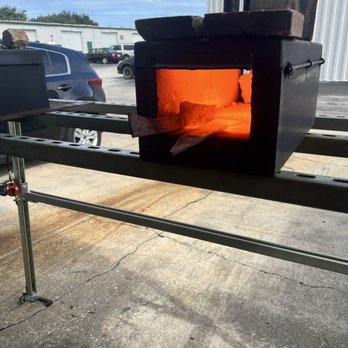
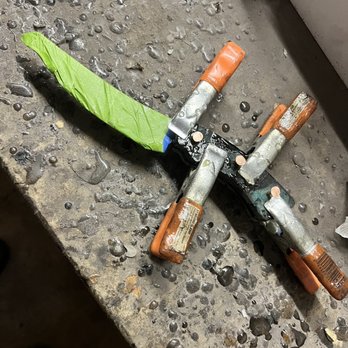
3 years ago

7 years ago
More info about Black Hog Knives
1584 Old Daytona Cir
Deland, FL 32724
Directions
(407) 755-7146
Call Now
Hours
Other Amenities
From the Business
Ask the Community - Black Hog Knives
You might also consider






Why does Yelp recommend reviews?
1 review that is not currently recommended
The reviews below are not factored into the business's overall star rating.
5 years ago


