Battery Park Photos


More like Battery Park
Recommended Reviews - Battery Park
Start your review...


Reviews With Photos


What can I say? I've been coming here since I was a child. From easter egg hunts to playing on the playground, to barbecues. Now, as an adult, it still brings me peace in a hectic world


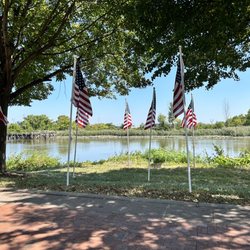
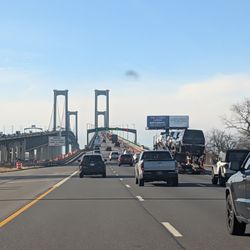
Delaware isn't the most serene state on the surface. But it does have hidden gems like Battery Park! If you drive into Olde New Castle, this park is at the very end of the street. There's a small number of available parking spots in the loop, or you can park on the street. Battery Park overlooks the Delaware and you can see the bridge off in the distance. It's really peaceful and would be a good spot for dog walking or to catch up on some reading. I assume it's also a Pokemon hot spot, based on some random guy cheering when he noticed I wasn't playing the game (...this was a few days ago and I didn't realize it was still a thing). Go when it's warm out; go at sunset. Go after exploring the historic cutesy little town and learning about Wiliam Penn's first stop in America. Striking views over the river. One of Delaware's best parks for sure!


Battery Park sits along a stretch of the Delaware River shoreline, beginning at the bottom of Delaware Street in New Castle, and going southwestward for a little over a mile next to Gambacorta Marsh to where Army Creek enters the Delaware. There are two dikes, one holding back the marsh and the other a former railroad spur line. There is little left of the original battery built to defend against French incursions before the Revolution, and later against the British. Too, the railroad that used to run from where the small white wooden ticket office now stands, all the way to Frenchtown, Maryland, is little more than an historic footnote. Yet, what remains is a beautiful place to walk or bike along the water's edge and witness some amazing sunsets. There are the remains of the small harbor sticking their waterlogged lumber above the surface of the river in spots, and a few ice piers placed to keep ice from clogging the shipping lanes. It is hard to imagine that New Castle is older than Philadelphia, and was the spot where William Penn first set foot in America to oversee his vast land grant from the king. But, the harbor here is not very big, and Philadelphia soon became the major port for this region. Commerce was not sufficient to sustain any significant long term economic growth, although for about 30 years the New Castle & Frenchtown Railroad (the first on the east coast), did help with transport between Philly and Baltimore, because going by boat between the two cities was difficult due to the topography of the Delmarva Peninsula. Eventually, first canals, and later larger railroads and toll roads assumed the largest share of commercial transport, and New Castle became a literal backwater in time. Yet, without that, Battery Park would likely have been overrun by industrialization and extensive shipping, and not become the lovely green space that natives and visitors enjoy today.


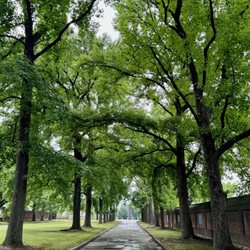
This is one of my favorite parks around here!! Love being by the water and my yorkie likes to swim in it. Beautiful paths and benches and a great place to have a picnic. My dogs love it so much. We saw baby geese yesterday and it was so amazing! Definitely check this one out!


I've walked here since I was little.i love the view and the walk.completely flat.since it's by the water,it will sometimes be chilly when it's windy. The one thing I wish they had was lights on the path for when it gets dark early during the year.it can get creepy walking in the dark by the water
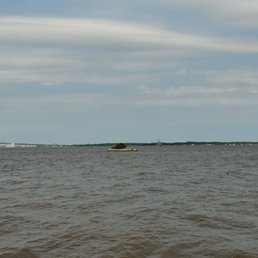

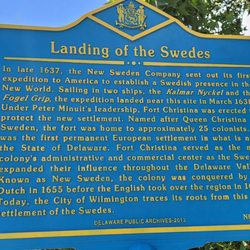
Not the same park as the Battery Park in New York lol. But perhaps even better in its own way. What could be better than being next to the water? Nothing. On top of it, the pretty sizeable territory of this park with its green pastures and benches makes it a perfect chillout spot whether you are a local or touring the area. Plus, it is literally steps away from the historic part of New Castle, where the New Castle Court Museum is located, along with the statue of William Penn, a defunct historic jail, a visitor center, old residential houses, various historical markers and etc. I would come back here hands down whenever I visit the area again.


I used to come to Battery Park all the time growing up in New Castle. It's located in Old New Castle, so it offers a beautiful view of the Delaware River, as well as a look into Delaware's history. I haven't been here since Hurricane Sandy, so I'm now able to look around at all the damage in which the storm caused. Battery Park is great for both Adults as well as children. The park itself has a full playground with swings, slides, etc. And plenty room for the children to run around. And there are also restaurants/ bars around the area as well. Aside from the Riverfront, Battery Park has definitely got to be one of my favorite places in Delaware.
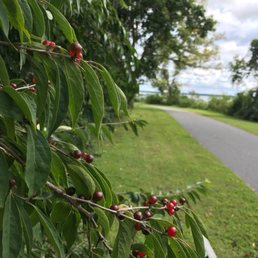

Good spot for a stroll or Jog. Bike friendly when it is not crowded. Great for sunset stroll.


Battery Park is a public park in New Castle. It has a walking path/trail that leads around the edge of the park along the Delaware River. It's a nice place to stretch your legs during a day of exploring New Castle, especially if it's a pretty day. But the views can be a little industrial, and I wouldn't say it's a must see if you have a day to explore New Castle. read more


8 months ago


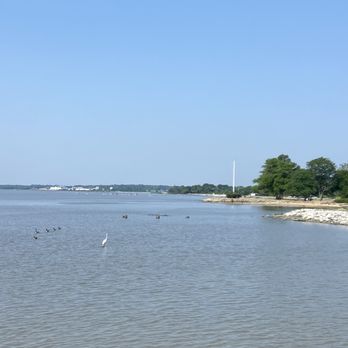


10 years ago
Delaware isn't the most serene state on the surface. But it does have hidden gems like Battery Park! If you drive into Olde New Castle, this park is at the very end of the street. There's a small number of available parking spots in the loop, or you can park on the street. Battery Park overlooks the Delaware and you can see the bridge off in the distance. It's really peaceful and would be a good spot for dog walking or to catch up on some reading. I assume it's also a Pokemon hot spot, based on some random guy cheering when he noticed I wasn't playing the game (...this was a few days ago and I didn't realize it was still a thing). Go when it's warm out; go at sunset. Go after exploring the historic cutesy little town and learning about Wiliam Penn's first stop in America. Striking views over the river. One of Delaware's best parks for sure! read more


Battery Park sits along a stretch of the Delaware River shoreline, beginning at the bottom of Delaware Street in New Castle, and going southwestward for a little over a mile next to Gambacorta Marsh to where Army Creek enters the Delaware. There are two dikes, one holding back the marsh and the other a former railroad spur line. There is little left of the original battery built to defend against French incursions before the Revolution, and later against the British. Too, the railroad that used to run from where the small white wooden ticket office now stands, all the way to Frenchtown, Maryland, is little more than an historic footnote. Yet, what remains is a beautiful place to walk or bike along the water's edge and witness some amazing sunsets. There are the remains of the small harbor sticking their waterlogged lumber above the surface of the river in spots, and a few ice piers placed to keep ice from clogging the shipping lanes. It is hard to imagine that New Castle is older than Philadelphia, and was the spot where William Penn first set foot in America to oversee his vast land grant from the king. But, the harbor here is not very big, and Philadelphia soon became the major port for this region. Commerce was not sufficient to sustain any significant long term economic growth, although for about 30 years the New Castle & Frenchtown Railroad (the first on the east coast), did help with transport between Philly and Baltimore, because going by boat between the two cities was difficult due to the topography of the Delmarva Peninsula. Eventually, first canals, and later larger railroads and toll roads assumed the largest share of commercial transport, and New Castle became a literal backwater in time. Yet, without that, Battery Park would likely have been overrun by industrialization and extensive shipping, and not become the lovely green space that natives and visitors enjoy today. read more


5 years ago
This is one of my favorite parks around here!! Love being by the water and my yorkie likes to swim in it. Beautiful paths and benches and a great place to have a picnic. My dogs love it so much. We saw baby geese yesterday and it was so amazing! Definitely check this one out! read more


7 years ago
I've walked here since I was little.i love the view and the walk.completely flat.since it's by the water,it will sometimes be chilly when it's windy. The one thing I wish they had was lights on the path for when it gets dark early during the year.it can get creepy walking in the dark by the water read more


Not the same park as the Battery Park in New York lol. But perhaps even better in its own way. What could be better than being next to the water? Nothing. On top of it, the pretty sizeable territory of this park with its green pastures and benches makes it a perfect chillout spot whether you are a local or touring the area. Plus, it is literally steps away from the historic part of New Castle, where the New Castle Court Museum is located, along with the statue of William Penn, a defunct historic jail, a visitor center, old residential houses, various historical markers and etc. I would come back here hands down whenever I visit the area again. read more
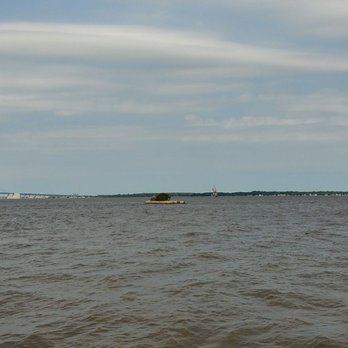


12 years ago
I used to come to Battery Park all the time growing up in New Castle. It's located in Old New Castle, so it offers a beautiful view of the Delaware River, as well as a look into Delaware's history. I haven't been here since Hurricane Sandy, so I'm now able to look around at all the damage in which the storm caused. Battery Park is great for both Adults as well as children. The park itself has a full playground with swings, slides, etc. And plenty room for the children to run around. And there are also restaurants/ bars around the area as well. Aside from the Riverfront, Battery Park has definitely got to be one of my favorite places in Delaware. read more


8 years ago
Good spot for a stroll or Jog. Bike friendly when it is not crowded. Great for sunset stroll. read more

11 years ago
I travel with my job, and after a long days work away from home I like to unwind by either, exercising, lounging, or reading a book in peaceful settings. But... by the Ocean is a HUGE added bonus! Great park! read more



7 years ago
6 years ago

12 years ago

12 years ago