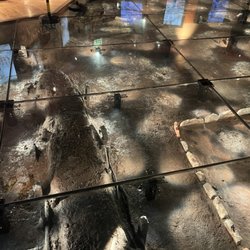
Barley Hall Photos


Recommended Reviews - Barley Hall
Start your review...


Reviews With Photos


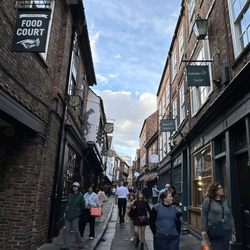
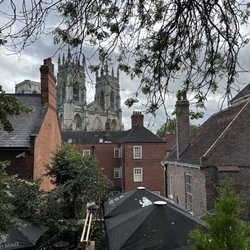
Barley Hall was a fabulous example of 14th century architecture. That is once we found it! It is nestled in a corner of York down a little alley way. It was a really comprehensive view of what life would have been like back then and we thoroughly enjoyed it. Well worth a visit.


2 years ago

18 years ago
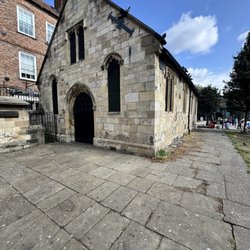
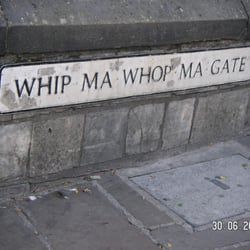
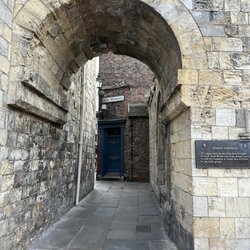
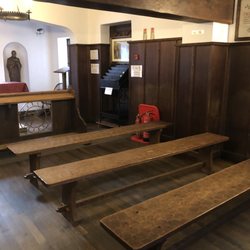
Coffee Yard is a snickelway that runs between Stonegate -- a very fashionable address in the later middle ages a site tucked away in one of its back alleys--Barley Hall, a fifteenth-century townhouse in Coffee Yard. A house occupied by one of Richard III's urban supporters. One of the emerging middle class that gave such strong allegiance to the Yorkists. Barley Hall is a stunning medieval townhouse, once home to the Priors of Nostell and the Mayor of York. Until the 1980s the house was hidden under the relatively modern façade of a derelict office block. Only when the building was going to be destroyed was the amazing medieval building discovered and its history uncovered. Barley Hall's medieval origins had been long forgotten by 1980, when it appeared to be a jumble of brick structures. Ironically, millions of tourists had literally walked right through what was originally an internal corridor of the L-shaped house as they used the Coffee Yard snickelway (an alley-like passageway from one street to another) to travel from busy Stonegate to Swinegate and Grape Lane. I am not sure but I think I stood in a coutyard, that I ten realised wasn't, that may have been a part of this. It was a roofless room and I was looking at interior walls. The building has now been lovingly restored to its original splendour with stunning high ceilings, beautiful exposed timber frames, and possibly the only horn window in England. It has been decorated to replicate what it would have looked like as the Snawsell home around 1483 and boasts a magnificent Great Hall. It is a hands-on living museum, letting visitors experience life in a 15th century house in the centre of York. This is one historic attraction where you are encouraged to touch and pick up exhibits. Sit on the chairs, open chests, and generally explore the house as you choose,and experience what it would have been like to live in Medieval England.. They also have many events. In July and August medieval summer schools for children and coming up: Thu 27 - Sun 30 Nov 2008 St Nicholas Fayre Medieval Market Wed 3 - Sat 6 Dec 2008 Deck the Hall A Medieval Christmas Thu 4 Dec 2008 Barley Hall by Candlelight Sat 6, Sun 7 Dec 2008 Barley Hall Christmas Fayre Wed 10 - Sat 13 Dec 2008 Deck the Hall A Medieval Christmas Thu 11 Dec 2008 Barley Hall by Candlelight Sat 13, Sun 14 Dec 2008 Barley Hall Christmas Fayre Wed 17 - Sat 20 Dec 2008 Deck the Hall A Medieval Christmas You can follow costumed guides as they escort groups through the hall, or hire an audio tape tour. On summer weekends there are special period events, such as mystery plays and medieval markets. Great place to visit. read more


18 years ago
Another fascinating historic site in York under the Jorvick umbrella. Barley Hall has a fascinating story behind it and how it was uncovered. It doesn't take up as much time to go round and is a truely lovely building, but possibly a little tricky to find. We walked passed the entrance to the snicket its down several times. As with all Jorvick sites, if you gift aid your entry you can revisit as many times in 12months as you wish. They do good events during school holidays too, although this sometimes means you don't have access to one of the rooms. read more


Barley Hall was a fabulous example of 14th century architecture. That is once we found it! It is nestled in a corner of York down a little alley way. It was a really comprehensive view of what life would have been like back then and we thoroughly enjoyed it. Well worth a visit. read more


15 years ago
Fantastic Wedding Venue with real character and difference , great staff and ffab opportunities for photos within the hall and also outside with the minster and museum gardens close by , one for those who are looking for something a little different. read more