All Saints Cathedral Photos


More like All Saints Cathedral
Recommended Reviews - All Saints Cathedral
Start your review...



4 months ago

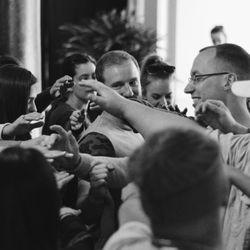
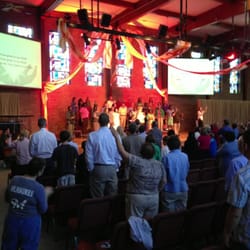
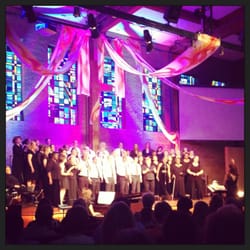
Today was a special event at the cathedral, the annual Kirkin' o' th' Tartans, a celebration of Scottish heritage and culture. The origins of the kirking are the stuff of legend, and like most legends, it is probably based in some fact but where the fact leaves off and the fantasy starts has been lost to history. First of all, what does it mean? The Scottish Gaelic word, "kirk" means church, and in this context, "kirk" means "blessing." Tartans are the traditional plaid emblems of Scottish clans, woven into (typically) wool cloth. According to legend, in the mid-18th Century, the British rulers took revenge on Scotland in retaliation for a failed attempt to regain Scottish independence. The wearing of tartans, kilts and any highlanded symbols was forbidden. Legend says Highlanders wore tartans under their garments, in defiance of the law, with their tartans blessed in church. 46 years later, the law was rescinded and the wearin' of the tartans returned. The problem is that no real history of the secret wearin' o' the tartans is known in Scotland. So this tradition may be a uniquely American tradition, going back to World War II. Either way, the Kirkin' o' th' Tartans takes place in churches all across the county on April 6 each year. Sometimes it's celebrated on Reformation Sunday the last Sunday in October, sometimes on St. Andrew's Day (St. Andrew is the patron saint of Scotland) on November 30, or, as in Milwaukee, on Tartan Day on April 6. At the kirking of the tartans, there is lots of bagpipe music, Scottish dancing, remembrance of those who left us in the prior year, the reading of the 23rd Psalm (with a Gaelic accent) and, of course, the blessing of the tartans. The joint bagpipe/pipe organ rendition of "Amazing Grace" could bring a tear to your eye, and it was the first time I've ever heard a pipe organ almost overpowered. Now I'm looking forward to the Highland Games, but I'm marking my calendar for April 6, 2015. read more