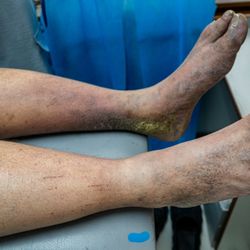
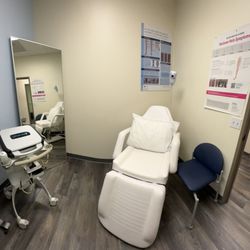
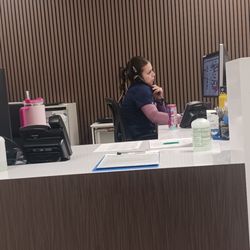
Vascular & Interventional Specialists Photos


You might also consider


More like Vascular & Interventional Specialists
Recommended Reviews - Vascular & Interventional Specialists
Start your review...



2 months ago

30 days ago

22 days ago
2 days ago

2 months ago
8 days ago

3 months ago

6 months ago

5 months ago

1 year ago
2 months ago
2 months ago

11 months ago
I was impressed by the doctor's genuinely caring attitude and sincere concern for my well-being. They took the time to carefully assess my situation and were dedicated to establishing the right course of action to fully address and resolve my health issues. Dr. Eric Kuo read more
3 months ago

8 months ago
3 months ago

9 months ago
8 months ago

1 year ago

1 year ago
3 months ago
3 months ago

7 months ago
3 months ago
7 months ago
6 months ago
4 months ago
9 months ago
4 months ago
9 months ago
5 months ago
5 months ago
7 months ago
5 months ago
3 months ago

10 months ago
7 months ago
6 months ago
7 months ago
7 months ago
Page 1 of 3
More info about Vascular & Interventional Specialists
1010 W La Veta Ave
Ste 320
Orange, CA 92868
Directions
(714) 560-4450
Call Now
Visit Website
https://visoc.org
Hours
Other Amenities
From the Business
Ask the Community - Vascular & Interventional Specialists
Review Highlights - Vascular & Interventional Specialists
You might also consider










Why does Yelp recommend reviews?
24 reviews that are not currently recommended
The reviews below are not factored into the business's overall star rating.

2 years ago

1 year ago
1 year ago
2 years ago
16 days ago
1 year ago
1 year ago
3 years ago
2 months ago
3 years ago
3 years ago
9 months ago
8 months ago
2 years ago
3 years ago
2 years ago
3 years ago
5 months ago
2 years ago
7 months ago


