
Tarragona Cathedral Photos


Recommended Reviews - Tarragona Cathedral
Start your review...




1 year ago
We are cathedral buffs, and we enjoyed the "no rush" style of the self run tour. Usually, with a guide, we feel rushed and therefore enjoy it less. Overall, an excellent experience. read more


2 years ago


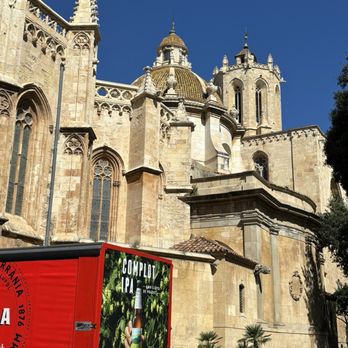


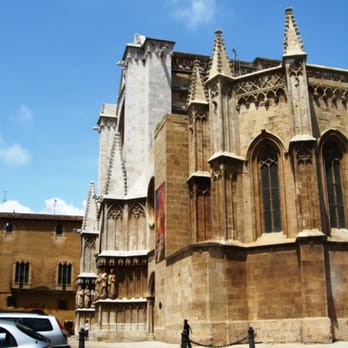
Tarragona's mediaeval cathedral occupies a large section of the old city, and approaching it along the Carrer Major offers a dramatic spectacle, with a wide series of steps rising from the small square at the end of the street to the Plaça de La Seu at the cathedral's imposing West Front. As well as an important mediaeval building in its own right, it houses an impressive collection of religious art. Built largely between the 12th and 14th centuries, the cathedral is an excellent example of the transitional style, with Romanesque features gradually giving way to the pointed gothic arch. Most impressive is the cloister, where triple rounded arches are grouped under a single pointed arch, and surround a small but delightful cloister garden. After this, the cathedral itself is something of a disappointment: although its scale is very impressive, especially its rose window, the grey stone walls and ceiling, largely unadorned, give the interior a cold and dusty feel, which even some impressively decorated chapels cannot enliven. However, the entrance ticket includes the old refectory, Chapel of the Holy Sacrament, Treasury and Chapter house, all of which houses a must-see collection of mediaeval and baroque religious art. These include early mediaeval sculptures and statuary, silver work, devotional objects, paintings, frescoes and vestments. Most impressive is the collection of Catalan religious altar painting, dating from the 13th century, but what may actually catch your eye more are the incredibly elaborate not to say gaudy collection of silver reliquaries and monstrances. Indeed, one of the latter may be a contender for the most over-the-top religious object in Christendom, with its gilded baldacchino, dripping with silver, gilt, precious stones and incredibly detailed and fussy decoration. Except for services, entry is via the Cloister on the north side, well signposted from the Plaça de la Seu. Unless you are attending a service, there is an entrance fee. Photography is not allowed inside the Cathedral precinct, including the Cloister, Museum and Cathedral Church. read more




18 years ago

16 years ago
More info about Tarragona Cathedral
Tarragona Cathedral Reviews in Other Languages







Why does Yelp recommend reviews?
1 review that is not currently recommended
The reviews below are not factored into the business's overall star rating.

15 years ago




