St. Lorenz Kirche Photos


Recommended Reviews - St. Lorenz Kirche
Start your review...


Reviews With Photos


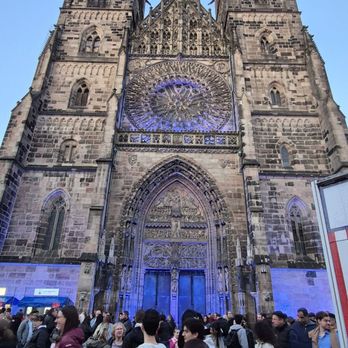
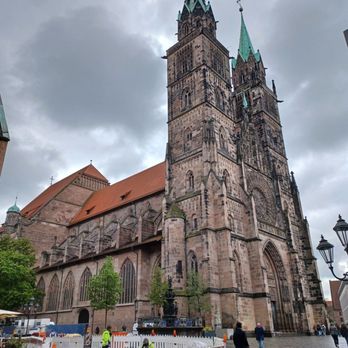
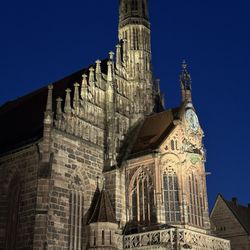
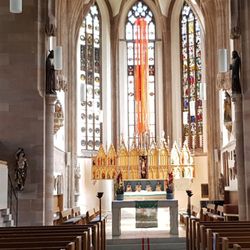
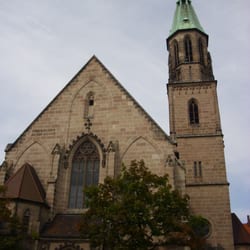
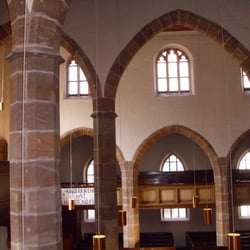
A gorgeous church located in the centre of town in Nürnberg. It is dedicated to Saint Lawrence. The church was badly damaged during the Second World War and later restored. It is one of the most prominent churches of the Evangelical Lutheran Church in Bavaria. Construction of the three-aisled basilica was in 1250, the late Gothic choir was completed in 1477. I love churches and Germany has a number of these wonderful places of worship in many cities and this is a fine example of old style architecture and the grandeur with which Churches were built in years gone by. A great place to visit when in Nürnberg. Like with most churches in Germany you can just walk in and have a look and walk around and of course take photos.


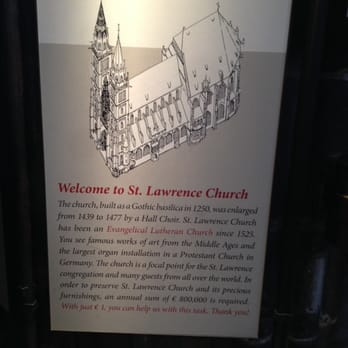
Wow, this church is incredible both inside and out. The pictures don't do it justice, have to see it for yourself to really capture how amazing it is. It costs two euros tour the inside, which I would highly recommend. It costs 800,000 € per year to maintain and all of the entrance fees go toward the cause. I would encourage anyone visiting the area to check it out help maintain such an incredible piece of history, and at two euros it's worth every cent.
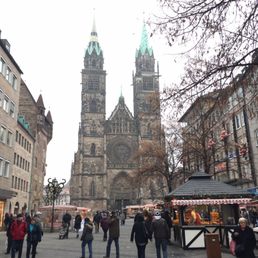

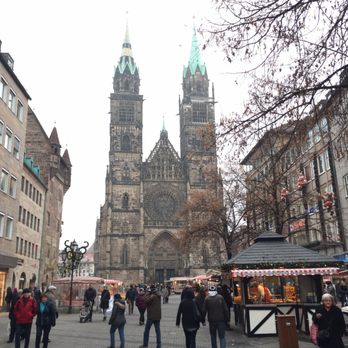
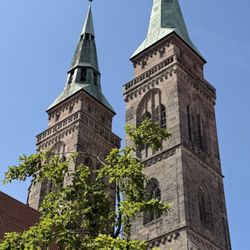
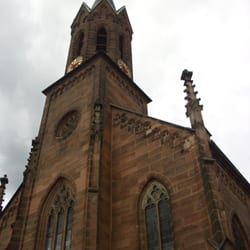
One of my favorite churches in Nuernberg. I believe it is also the largest. I'm not going to state all the history and facts about this church, others have already done so. Just one little anecdote that always amuses me is that the builders could not agree on the style of the towers and this is why each tower is different. A feud that is permanently displayed on the towers of a church no less... Anyway, take a close look at this church both inside and out. There are so many details to see, that even after years coming here, I still seem to discover new details. A must see for sure. read more


This is the largest church in Nuremberg. To my surprise, I thought I was entering in a Catholic Gothic style church (built circa 1250) to find out it was a Lutheran one. In any case, amazing church with so much art to see in just an hour I spent there (I was with a colleague and did not want to spend the usual amount of time I would do in this type of sacred buildings with so many details and art in every corner). I can't believe it was bombarded during WWII, then rebuilt with great effort. The stained glass art is amazing and I was happy to see that during our visit it was an exhibit about the artist who created all of them originally. It was a very well paid 2 euros visit (I dont like to pay to enter in a church, I am more pro-donations, but still it was worth it). One suggestion is that I would prefer not to have a gift shop inside the church. That devalue both the religious experience and the artistic value, converting the whole thing in a theme park. That is the only part I disliked during my visit as well as the attitude of the young girl that was collecting the money...I got confused of door of our way out and she started yelling at me: no, not there, stop stop...which made me feel weird. Anecdotes apart, a must visit. read more


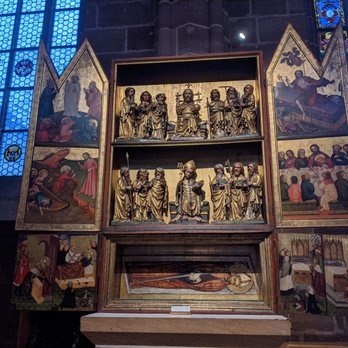

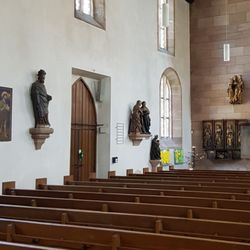
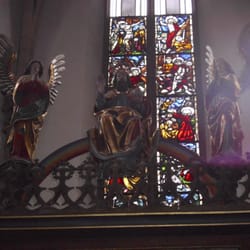
An amazing good gothi-style church, built originally Catholic but converted to Lutheran after the reformation in the he 1500s. Cost is 2€ ("donation") to enter. Interestingly inside you will see plenty of Catholic iconography and imagery despite its conversion - apparently the town leaders had a live and let live approach and the statue of the Madonna and child is among the oldest in the city. Like much of the city, the church was heavily damaged in WWII and has been restored. There are a few surviving original stained glass windows as well as some notable religious art-worth a short visit. read more
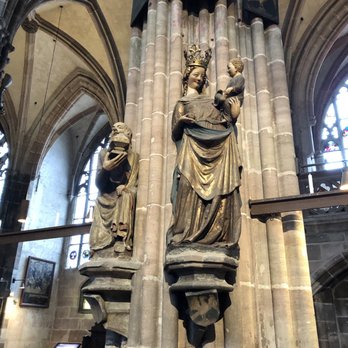

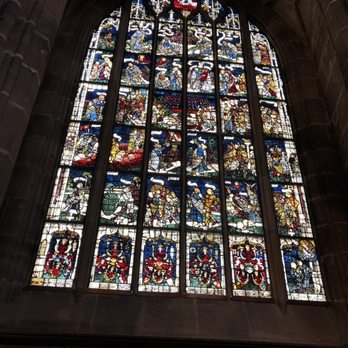


A gorgeous church located in the centre of town in Nürnberg. It is dedicated to Saint Lawrence. The church was badly damaged during the Second World War and later restored. It is one of the most prominent churches of the Evangelical Lutheran Church in Bavaria. Construction of the three-aisled basilica was in 1250, the late Gothic choir was completed in 1477. I love churches and Germany has a number of these wonderful places of worship in many cities and this is a fine example of old style architecture and the grandeur with which Churches were built in years gone by. A great place to visit when in Nürnberg. Like with most churches in Germany you can just walk in and have a look and walk around and of course take photos. read more



8 years ago
Wow, this church is incredible both inside and out. The pictures don't do it justice, have to see it for yourself to really capture how amazing it is. It costs two euros tour the inside, which I would highly recommend. It costs 800,000 € per year to maintain and all of the entrance fees go toward the cause. I would encourage anyone visiting the area to check it out help maintain such an incredible piece of history, and at two euros it's worth every cent. read more


10 years ago
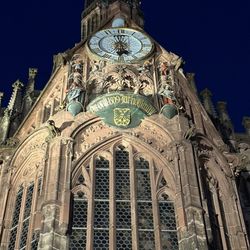
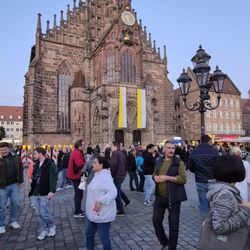
Just an amazing piece of history and architecture in this church. We stayed in Nuremberg for a week during the Christmas Market, so I walked by the church daily as I strolled the Christmas Market. Stopping to photograph it and study the architectural carving to the exterior of the churches walls. It is just astounding! I highly recommend going to Nuremberg during the Christmas Market. read more


More info about St. Lorenz Kirche
St. Lorenz Kirche Reviews in Other Languages















Why does Yelp recommend reviews?
2 reviews that are not currently recommended
The reviews below are not factored into the business's overall star rating.

12 years ago

14 years ago


