St Andrew's Chapel Photos



Recommended Reviews - St Andrew's Chapel
Start your review...



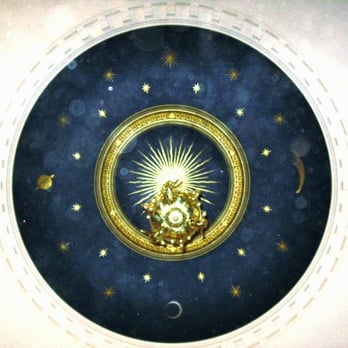
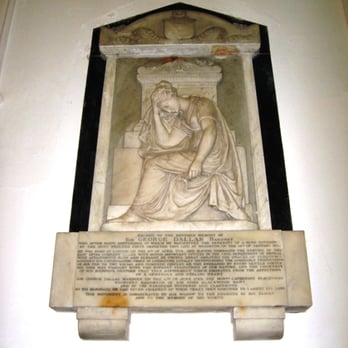
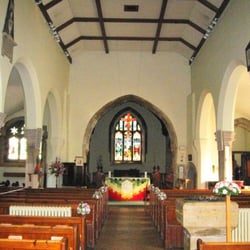
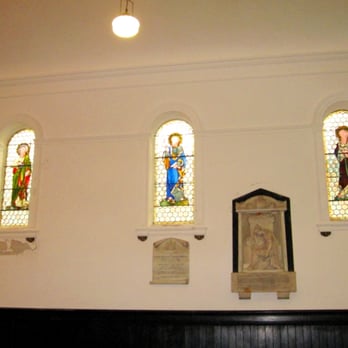
Tucked away amidst the stucco of Georgian Hove, the chapel of St Andrew's is a lovely example of early 19th century church architecture. Although no longer open for regular worship, special services are still held here, and it is open for visitors on Sunday afternoons. St Andrew's has an unusual history, however. Created to serve Brunswick Town, a grand speculative development built in the 1820's close to newly-fashionable Brighton, it was the brainchild of one Revd. Edward Everard who, in 1828, was granted an Act of Parliament to erect a privately-owned chapel. Like Brunswick town itself, the chapel was a speculative, commercial development - the Act allowed Everard to keep two-thirds of the income from pew rents and fees for christenings, burials and so on (although, unusually, it was not licensed for marriages). Everard chose Sir Charles Barry (1795 - 1860) as the architect, best known for the Houses of Parliament in Westminster. At St. Andrew's, Barry adopted a rather severe classical Palladian style, with the interior laid out as a rectangular 'preaching box' incorporating a single gallery on the West wall. Opened in 1828, the chapel quickly became a fashionable place in which to worship, largely because the need to rent pews guaranteed social exclusivity: on one Sunday, it was noted that no fewer than three Dukes and three Duchesses attended services, including Queen Victoria's aunt, the Duchess of Gloucester. Unsurprisingly, the first Minister of the chapel was Everard himself. 80 free seats were made available for servants in the gallery, and the different classes of people had to use separate entrances. Quite how this class divide was reconciled with the Gospel is anyone's guess, although Pew Rents were a common feature of churches at the time. However, in the later 19th century, such 'preaching boxes' went out of fashion, and the chapel was enlarged by the construction of a chancel in 1882. Charles Barry junior, son of the original architect, was chosen for the work, so that St Andrew's is sometimes known as 'the Father and Son church'. This chancel, with its distinctive dome and furnishings, now gives St Andrew's its distinctive character. In 1922, additional furnishings were added, in keeping with the Italianate style, including the baldachinos (classical-styled canopies) over the altar and font. The church also contains some attractive stained glass, dating from 1869-1882, and a small selection of funeral memorials. The decline in Church attendances in the late 20th century affected St Andrew's as much as anywhere, and the church was declared redundant in 1990. Fortunately, it passed into the care of the Churches Conservation Trust and is now a popular venue for concerts, social events and art exhibitions. It also has an enthusiastic group of local supporters, the Friends of St Andrew's Church, who raise funds to maintain it, organise events and open it to visitors (free of charge) on most Sundays, 14-16h. It makes for a beautifully quiet retreat from the noise of the waves crashing on the beach nearby or a delightful place to visit after Sunday lunch at the Iron Duke pub, opposite. read more