Silver Thatch Mounted Beach Patrol Photos


More like Silver Thatch Mounted Beach Patrol
Recommended Reviews - Silver Thatch Mounted Beach Patrol
Start your review...



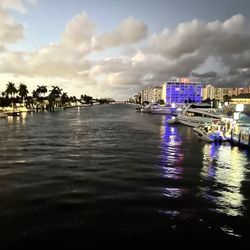
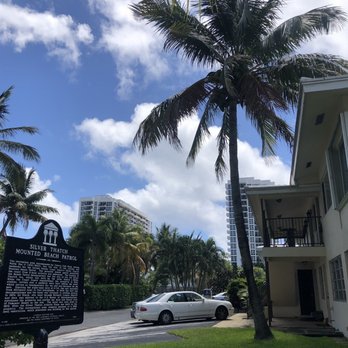
When you are sunbathing on the beach it is hard to think of German U Boats circling the waters off the coast but during WWII the terror of an attack was real for the people living in Florida. An order in 1942 by then Governor Spessard L. Holland, forced everyone living on the east coast to black out their windows, streetlights, and car headlights. Direct light from shore could create silhouettes of the Allies' supply ships making them easy targets for the German submarines to take down. Occasionally you will come across a marker from this time period like this historical marker commemorating the Silver Thatch Beach Patrol. The marker is located in Pompano Beach across the street from the Intracoastal. The Silver Thatch Beach Patrol was a mounted patrol that searched for spies trying to come ashore in the area. They also looked for U-Boats in the water that could attack the shipping lane. The threat was very real. America lost over 100 military and merchant ships between 1942 and 1943 and the Sanborn Wall plaque in Boca Raton marks the site of a house where German spy activity was discovered. Men on horseback would travel from the Hillsboro Inlet to Port Everglades in 8 hour shifts. In 1942, the patrol took over Silver Thatch Inn built in the 1930's by the Jelks family on A1-A and made it their headquarters. The Jelks were one of the first beach pioneer families and they first came to the area in 1904. Paddocks and corrals for the horses were built behind the hotel. Sometimes during their patrols the men would find parts of ships and bodies washed up on the beach. The patrol was decommissioned in 1945 and the hotel was returned to civilian use. In 1954 the Pompano Bath and Tennis Club was built on this site. In 1972 the hotel was torn down and replaced by the Silver Thatch Atlantic Plaza. The marker number is F-491 and it was erected in 2002 by the Florida Historical Society and the Florida Department of State. Reading this marker reminded me of how past Floridians have pulled together to get through hard times. Even though it can seem bleak with the all of the restrictions from the virus and businesses closing, like the Floridians before us we will get through this too. read more

Most historical sites in Florida that I've seen cover the 1800's and later. This site honors a relatively recent World War II location. During the War, the long coast of Florida was vulnerable to attack by the Germans. This location in Pompano Beach was the site of the Silver Thatch Inn. Like many hotels in the area at the time, it was taken over by the military. Here was housed what became the Coast Guard's Silver Thatch Beach Patrol unit from 1941-1945. They later built on adjacent stables and paddocks for the horses. The unit included men with prior experience with horses. The men on horseback carried sidearms and patrolled an area from the Hillsboro Inlet to Port Everglades. They monitored German U-boat activity and protected this area of Florida. The hotel was torn down in 1972. There are now several condos bearing the name Silver Thatch. read more


7 years ago