Scotts Bluff National Monument
Scotts Bluff National Monument Photos

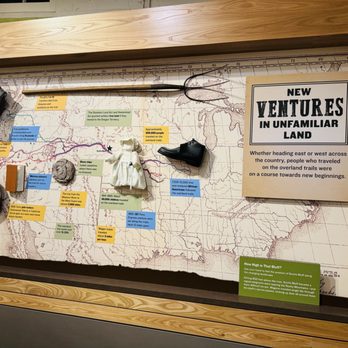


More like Scotts Bluff National Monument
Recommended Reviews - Scotts Bluff National Monument
Start your review...


Reviews With Photos


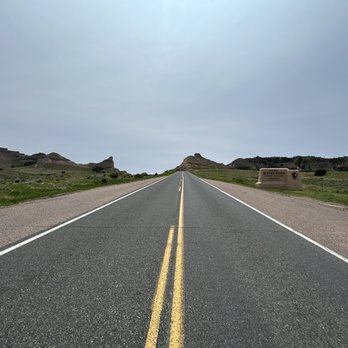
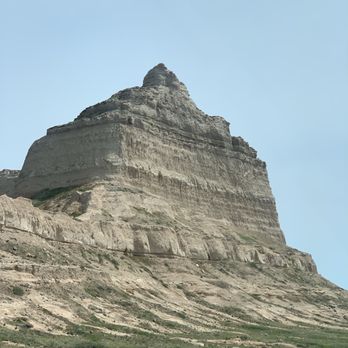
WOW - if you have a change to visit, GO! Such beauty! - - - May, 2025 Visit - - - My wonderful wife and I were able to enjoy a getaway weekend, with a visit to Devils Tower, WY; we flew through Denver and drove to NE Wyoming. We stayed in Torrington, WY; as we woke up we looked at the map and realized how close we were to Scott's Bluff National Monument, so we decided to make a visit, and we're glad we did. - - - One of the signs at the Park / Monument shares that the Indians / the Native Americans called Scotts Bluff "Me-a-pa-te", or "hill that is hard to go around." Scotts Bluff is along the Oregon Trail, which runs through the Monument / Park. Given how flat the Nebraska plains are, and that this is 800 feet tall, you can see Scotts Bluff from about 100 miles away, and giben that the wagon trains made ~ 10-12 miles per day (or less), you could surely see it for 7-10 days before and after passing it. So... "hill the is hard to go around" is appropriate and accurate! - - - The Visitor's Center is nice and the NPS staff friendly and helpful. - - - There is a trail that you can walk up to wonderful views from the Bluff; along the way you may (or may not) be surprised to see some plants that could also be seen further west, in Joshua Tree and other National Parks - agave and yucca. The Monument is near a highway, so you may occasionally hear a little road noise, but it is infrequent and you're able to readily hear birds and bugs as you enjoy the hike. As we drove in, along Highway 26 we could see the Monument off in the distance. We then turned down a road to capture some photos; a few minutes later a farmer drove by and slowed and offered to show us the way to the Monument by driving us in "the back way" where we drove the Oregon Trail into the parking lot - wonderful! So, driving-wise, we recommend coming in via Hw 92... from Torrington... Hw 26 E to Mitchell to Hw 29 S to Hw 92 E to the "Old Oregon Trail Road" - - - The Monument towers so tall... Beautiful! And tall. There is an audio tour you can listen to your phone... the sings have the phone number to call and listen... this is a wonderful listen - thank you, National Park Service (NPS) for creating / providing this audio tour. - - - We followed the trail up to the top, to where it passes through the hand-made tunnel to the other side. We rose 400 feet in elevation and were blessed with a nice breeze and an amazing view. - - - When the US Mint made the state quarters, Nebraska selected Chimney Rock for their quarter; Chimney Rock is 20-23 miles from Scotts Bluff, AND is visible from the trail... so nice! - - - Thank you, National Park Service for maintaining Scotts Bluff National Monument, for us and for future generations! If you have a chance to visit, GO! ----- ----- -----


A must see place if you are here. Long hiking trail to explore. I wish I had more time . Beautiful breathtaking view from the top. Take your time and enjoy.


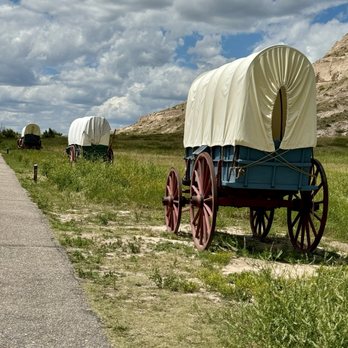
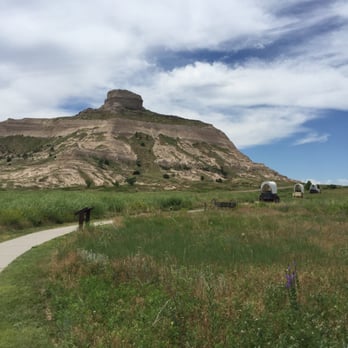
Important Landmark for Pioneers Traveling the Oregon Trail [Gering NE] I loved the prairie wagons displayed they had in the front towards the entrance to the park. There were four life-size wagons distanced from each other but they were all in a row giving us a glimpse of the journey pioneers from Oregon, California, Mormon Pioneer and Pony Express Trails endured. I can only imagine what they had to endure. Scottsbluff stands 800 feet above the plains and the North Platte River. We drove up Summit Road that led us to a parking area where two short trails led to two overlooks. We stopped at the South Overlook Trail, a short 1/8 mile walk on a paved trail... there were interpretive signs for interesting reads as we took in the picturesque views of the prairie land. The weather was a comfortable 75°. We skipped the Saddle Rock Trail which was a 1.6-mile hike (one way) and a 435-foot ascent. Overall a nice short visit to Scotts Bluff National Monument, our first stop in Nebraska. Review #3501
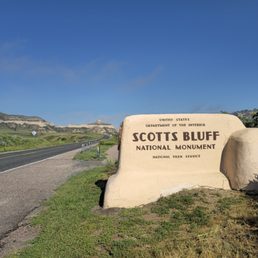

So I was roaming around the Midwest not too long ago, trying to see how quickly I could make an annual national park pass pay for itself, and I happened upon a national monument that in my opinion has the best name of any of the national momuments...Scott's Bluff. (My name is Scott that's the joke) Like many national monuments, (but not all), it's smaller than most national parks, (but not all). That means that if you're in the area you definitely have time to stop, because it's not like you're going to Death Valley or the Grand Canyon where it'll take all day and then some...you can see Scott's Bluff in about the same amount of time that it takes your friends on average to complete a trip to Target. It's got a nice museum that explains all sorts of things about the Oregon Trail, how nature/geography works/happens, and that sells some souvenirs in case you need to grab some of those. There's a road up to the top that's windy and scenic and not too long, and from the top you get a nice set of views in a few directions where you can take in the prairies and all of that. Long story short if you're near this just go ahead and check it out. You'll be glad you did.


What a lovely national monument! It's free and if you're in the area please stop. The view from the top is amazing. Easy, paved walking trails at the top to take in the view from all angles. Very friendly Rangers! So glad we stopped!!


Visited on a clear November day. The views from the top of the monument were incredible. You could see for miles. We opted to drive to the top. There is also a trail from the Visitors Center. At the top there are 2 separate trails to different overlooks. It's worth walking out to each - probably 1/4 mile for each trail. You don't really understand the vastness of the Plains until you get a view similar to Scott's Bluff.


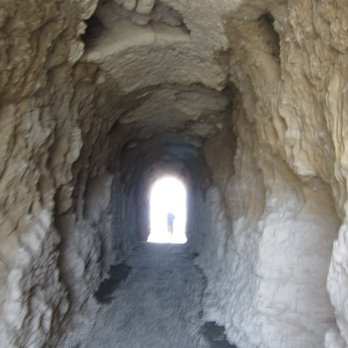
Wasn't planning on stopping here, but we were in the area to see Chimney Rock and are glad we stopped! Drove to the top of the monument and walked down to the cave tunnel on the trail. The hike wasn't as difficult as I expected it to be and provided wonderful views.
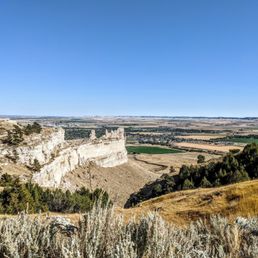

The national parks system naming convention confuses me since this national monument is an outdoor park and not what I think of when I hear monument. We were in a large RV, so we couldn't drive to the top of it. I'm actually glad because we hiked the Saddle Rock Trail to the top. In my opinion, the best views here were on the hike up. The hike was pretty moderate too even though it was uphill. It's a 3 mile round trip hike and I definitely recommend it even if you can drive to the top. At the top, we did the North Overlook Trail (.6 miles) and the South Overlook Trail (.4 miles). Both were flat and had good views. At the bottom, we had to do the Oregon Trail. It was 1 mile round trip, flat, and easy. The views weren't anything special, but it was cool to be on the Oregon Trail. Plus there's some prop wagons to take pictures with. If you're looking for stops on your cross country road trip, this was one of my favorites.


Beautiful place and great hiking up for sunrise view. You can walking on the road before 8 am.


Excellent place to see in Scott's Bluff. The staff manning the entrance booth was very helpful. The visit was free and the visitors center was closed when we visited. There were some porta-potties across from the visitors center at the bottom of the bluff. It appeared that you could walk from the visitors center up to the bluff or drive. We chose to drive. It was a relatively easy and quick drive that took about 10 minutes. There is a parking lot at the top for about 30 vehicles. From there you can see a great vista from the parking lot. If you are up to it there are 2 main trails to the north and south. The south is a paved path that is 1/8 mile. The north trail is 1/2 mile and has at several great views. I would highly recommend a visit to this site if you are in the area.


It was sunny but extremely windy so couldn't enjoy it as much as we'd have liked. Windy road to the top with a few small tunnels to go through to get spectacular views. Took a few pics at the entrance of the park next to the wagons.


3 months ago
Driving from Fort Collins to Rapid City, my family was fortunate to add this Oregon Trail stop on the way. The park rangers at this monument are awesome and truly care about its history. If you can add this in with your travels, you won't be upset. I wouldn't go way out of my way to visit, but if you can add it to your itinerary with a less than annoying drive deviation, it is fantastic. Side note, it was raining the day I went. I drove up to the top but couldn't see the view due to the weather. But, I could tell, on a nice day, it would be amazing. Lots of history here. Enjoy! read more

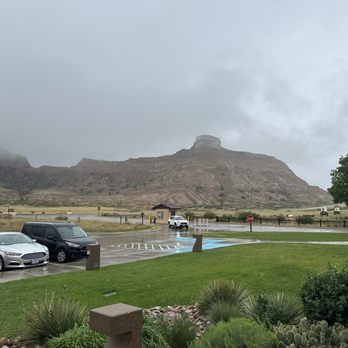


Call Your Bluff Protected National Monument site that's over 3k-acres and is situated west of Gering, Nebraska. We visited here almost eight years ago on our epic road trip across the US, and I can't believe I forgot to review this place. The Good: *The bluff is an important landmark on the Oregon Trail and there's an Oregon Trail Museum at the base of the bluff. *There's a windy 1.6-mile drive up the Summit Rd to get to the top of Scotts Bluff. There were quite a few cars (the park draws in 100k visitors a year) in front of us, if I remember correctly. But I don't think it took that long to get to the top, because even if it did there some superb views along the way up. *Leashed pets are OK on trails *Free! The Meh: *Only four miles of hikable trails The Ugly: *I wish we had more time to explore and hike the trails, but we had a schedule to keep. Next time, Gadget! Conclusion: Great park that's worth a 1hr detour if you're headed along on this stretch of 80. read more


4 months ago
Absolutely love the history and the scenery up here. So many trails goi g different directions. Good signage. The adorable little guy at the ranger station was the absolute sweetest man and reminded me of my grandpa would have love to bring a picnic lunch and just spend the day exploring the trails. Epic view! Visit here. And hey FEE FREE!! My absolute FAVORITE price! read more
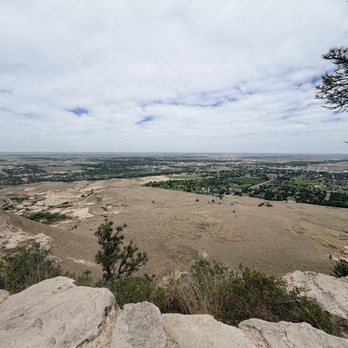


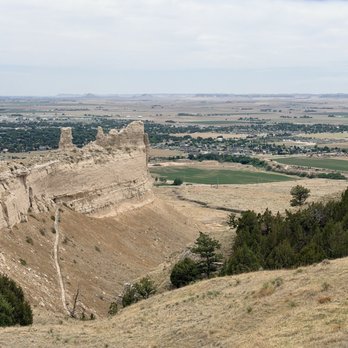


WOW - if you have a change to visit, GO! Such beauty! - - - May, 2025 Visit - - - My wonderful wife and I were able to enjoy a getaway weekend, with a visit to Devils Tower, WY; we flew through Denver and drove to NE Wyoming. We stayed in Torrington, WY; as we woke up we looked at the map and realized how close we were to Scott's Bluff National Monument, so we decided to make a visit, and we're glad we did. - - - One of the signs at the Park / Monument shares that the Indians / the Native Americans called Scotts Bluff "Me-a-pa-te", or "hill that is hard to go around." Scotts Bluff is along the Oregon Trail, which runs through the Monument / Park. Given how flat the Nebraska plains are, and that this is 800 feet tall, you can see Scotts Bluff from about 100 miles away, and giben that the wagon trains made ~ 10-12 miles per day (or less), you could surely see it for 7-10 days before and after passing it. So... "hill the is hard to go around" is appropriate and accurate! - - - The Visitor's Center is nice and the NPS staff friendly and helpful. - - - There is a trail that you can walk up to wonderful views from the Bluff; along the way you may (or may not) be surprised to see some plants that could also be seen further west, in Joshua Tree and other National Parks - agave and yucca. The Monument is near a highway, so you may occasionally hear a little road noise, but it is infrequent and you're able to readily hear birds and bugs as you enjoy the hike. As we drove in, along Highway 26 we could see the Monument off in the distance. We then turned down a road to capture some photos; a few minutes later a farmer drove by and slowed and offered to show us the way to the Monument by driving us in "the back way" where we drove the Oregon Trail into the parking lot - wonderful! So, driving-wise, we recommend coming in via Hw 92... from Torrington... Hw 26 E to Mitchell to Hw 29 S to Hw 92 E to the "Old Oregon Trail Road" - - - The Monument towers so tall... Beautiful! And tall. There is an audio tour you can listen to your phone... the sings have the phone number to call and listen... this is a wonderful listen - thank you, National Park Service (NPS) for creating / providing this audio tour. - - - We followed the trail up to the top, to where it passes through the hand-made tunnel to the other side. We rose 400 feet in elevation and were blessed with a nice breeze and an amazing view. - - - When the US Mint made the state quarters, Nebraska selected Chimney Rock for their quarter; Chimney Rock is 20-23 miles from Scotts Bluff, AND is visible from the trail... so nice! - - - Thank you, National Park Service for maintaining Scotts Bluff National Monument, for us and for future generations! If you have a chance to visit, GO! ----- ----- ----- read more






1 year ago
A must see place if you are here. Long hiking trail to explore. I wish I had more time . Beautiful breathtaking view from the top. Take your time and enjoy. read more


Important Landmark for Pioneers Traveling the Oregon Trail [Gering NE] I loved the prairie wagons displayed they had in the front towards the entrance to the park. There were four life-size wagons distanced from each other but they were all in a row giving us a glimpse of the journey pioneers from Oregon, California, Mormon Pioneer and Pony Express Trails endured. I can only imagine what they had to endure. Scottsbluff stands 800 feet above the plains and the North Platte River. We drove up Summit Road that led us to a parking area where two short trails led to two overlooks. We stopped at the South Overlook Trail, a short 1/8 mile walk on a paved trail... there were interpretive signs for interesting reads as we took in the picturesque views of the prairie land. The weather was a comfortable 75°. We skipped the Saddle Rock Trail which was a 1.6-mile hike (one way) and a 435-foot ascent. Overall a nice short visit to Scotts Bluff National Monument, our first stop in Nebraska. Review #3501 read more




So I was roaming around the Midwest not too long ago, trying to see how quickly I could make an annual national park pass pay for itself, and I happened upon a national monument that in my opinion has the best name of any of the national momuments...Scott's Bluff. (My name is Scott that's the joke) Like many national monuments, (but not all), it's smaller than most national parks, (but not all). That means that if you're in the area you definitely have time to stop, because it's not like you're going to Death Valley or the Grand Canyon where it'll take all day and then some...you can see Scott's Bluff in about the same amount of time that it takes your friends on average to complete a trip to Target. It's got a nice museum that explains all sorts of things about the Oregon Trail, how nature/geography works/happens, and that sells some souvenirs in case you need to grab some of those. There's a road up to the top that's windy and scenic and not too long, and from the top you get a nice set of views in a few directions where you can take in the prairies and all of that. Long story short if you're near this just go ahead and check it out. You'll be glad you did. read more
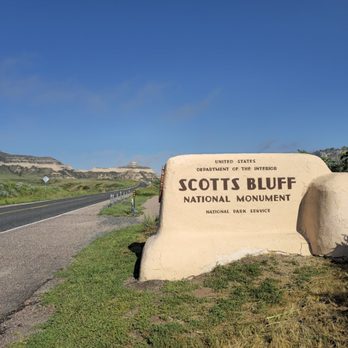
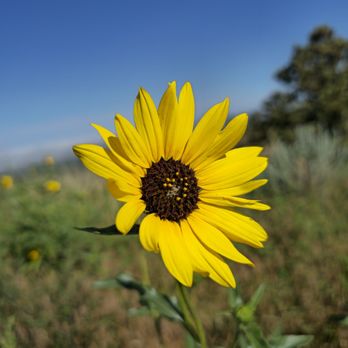


What a lovely national monument! It's free and if you're in the area please stop. The view from the top is amazing. Easy, paved walking trails at the top to take in the view from all angles. Very friendly Rangers! So glad we stopped!! read more



3 years ago
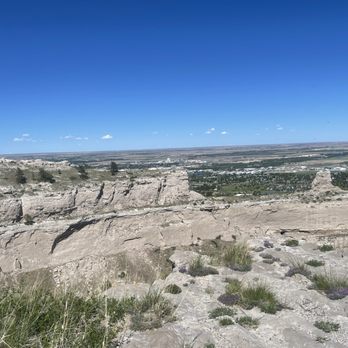
Visited on a clear November day. The views from the top of the monument were incredible. You could see for miles. We opted to drive to the top. There is also a trail from the Visitors Center. At the top there are 2 separate trails to different overlooks. It's worth walking out to each - probably 1/4 mile for each trail. You don't really understand the vastness of the Plains until you get a view similar to Scott's Bluff. read more




2 years ago
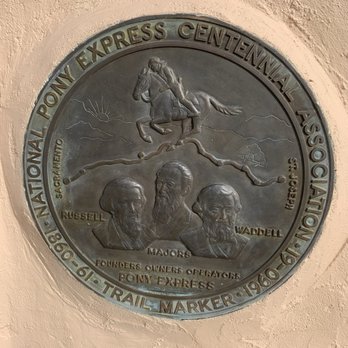
Wasn't planning on stopping here, but we were in the area to see Chimney Rock and are glad we stopped! Drove to the top of the monument and walked down to the cave tunnel on the trail. The hike wasn't as difficult as I expected it to be and provided wonderful views. read more



6 years ago
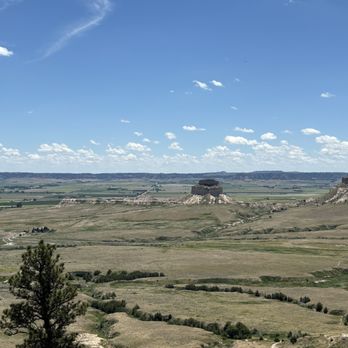
The national parks system naming convention confuses me since this national monument is an outdoor park and not what I think of when I hear monument. We were in a large RV, so we couldn't drive to the top of it. I'm actually glad because we hiked the Saddle Rock Trail to the top. In my opinion, the best views here were on the hike up. The hike was pretty moderate too even though it was uphill. It's a 3 mile round trip hike and I definitely recommend it even if you can drive to the top. At the top, we did the North Overlook Trail (.6 miles) and the South Overlook Trail (.4 miles). Both were flat and had good views. At the bottom, we had to do the Oregon Trail. It was 1 mile round trip, flat, and easy. The views weren't anything special, but it was cool to be on the Oregon Trail. Plus there's some prop wagons to take pictures with. If you're looking for stops on your cross country road trip, this was one of my favorites. read more
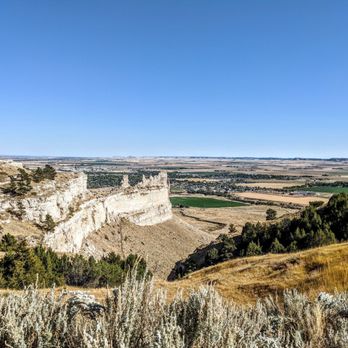

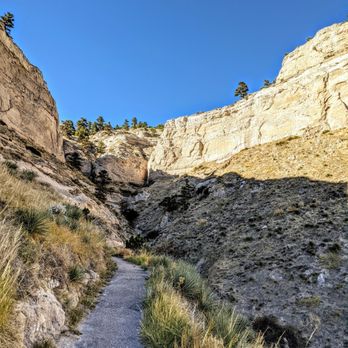
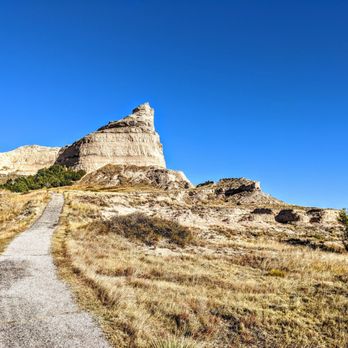


4 years ago

3 years ago
Beautiful place and great hiking up for sunrise view. You can walking on the road before 8 am. read more


2 years ago


5 years ago

6 years ago
Excellent place to see in Scott's Bluff. The staff manning the entrance booth was very helpful. The visit was free and the visitors center was closed when we visited. There were some porta-potties across from the visitors center at the bottom of the bluff. It appeared that you could walk from the visitors center up to the bluff or drive. We chose to drive. It was a relatively easy and quick drive that took about 10 minutes. There is a parking lot at the top for about 30 vehicles. From there you can see a great vista from the parking lot. If you are up to it there are 2 main trails to the north and south. The south is a paved path that is 1/8 mile. The north trail is 1/2 mile and has at several great views. I would highly recommend a visit to this site if you are in the area. read more

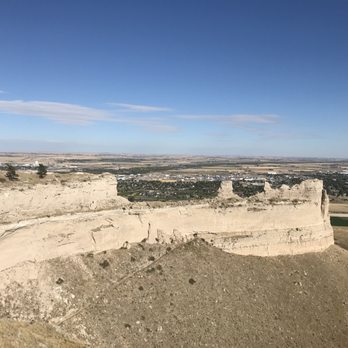


7 years ago
It was sunny but extremely windy so couldn't enjoy it as much as we'd have liked. Windy road to the top with a few small tunnels to go through to get spectacular views. Took a few pics at the entrance of the park next to the wagons. read more


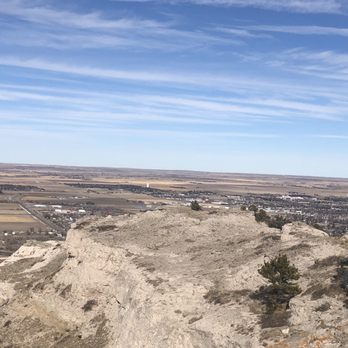

This National Monument was cool - I liked the wagon/oxen section photo op. We got some funny pics for Facebook here reinacting the popular game such as, my friend Shayla had dysentery, I had the measles, my other friend got bit by a snake and the last was trampled by oxen. lol. We walked around the lower portion and talked to two of the gals working inside the main building where the information desk and a few displays/museum artifacts are located which probably took us around 45 minutes. We then drove up the monument through some tight tunnels and turns to get to the top. I'm not going to lie - I was a little tore up during this because it's a pretty steep slope and it's obvious there are falling rocks from time to time. When we got to the top you can go left or right for an expansive view and can see Chimney Rock which we planned to do - but we were immediately attacked by some little biting midges or something. I was wearing a white shirt (the only one in my group who had done so) and they were ALL over my shirt - literally everywhere - no one else could see it but because you could see mine we were all disgusted. I had liberally sprayed bug spray on myself but it didn't matter - I was covered in a swarm. The other girls were also - so we all got back in the car and left. No thanks. Honestly, it was boring and wasn't worth the drive as far as I'm concerned. I got a few funny pictures and can say I saw a legit Oregon Trail spot now - but it wasn't work a 7 hour round trip hike here. read more







6 years ago
This hike was honestly pretty gnarly lol. I knew we oil depots hiking up hill but it was a little vigorous for me but the view was so worth it. We saw some different birds and luckily no snakes. I recommend not going on a hot day read more


6 years ago
Just awesome. The visitor center was shut down, but when you get to the top, man what a view! I'd highly recommend taking the walking trail over driving, it's about 3.5 miles but totally worth it. read more


6 years ago
An incredible NPS site. We were following Oregon Trail and this was one of the stops. Originally we thought it will be quick stop but the nature was so incredible we ended up spending 3 hours just walking around. It was very sunny (middle of the summer 2019) but once we got on the top it was surprisingly windy, so it was a pleasant surprise. read more
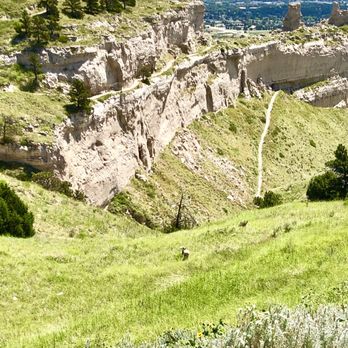


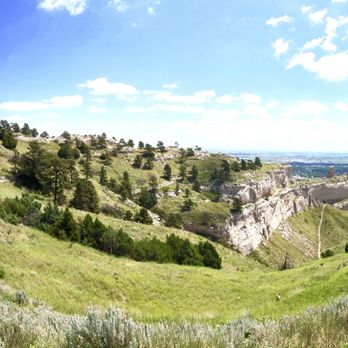


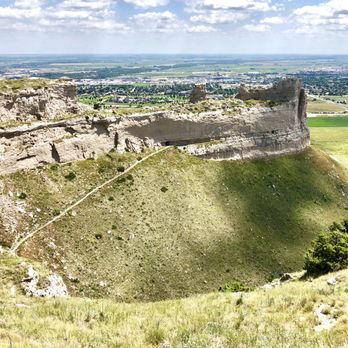


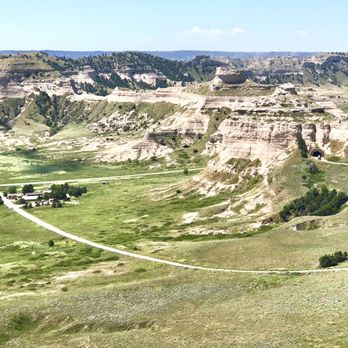

If only I could have stayed here long enough to enjoy the hiking trails along this historical oregon trail route. I had been driving down most of the day from mount rushmore heading towards chimney rock, but did not realize that this was another stop along the 26 (Old Oregon Trail Highway). I was estatic that I was able to witness such amazing history where I could only imagine it as a child playing the oregon trail computer game. I wish I could give this place more than 5 stars because the Chimney Rock Visitor Center, which was my first stop, was closed when I got there at 530PM. I had to use the bathroom given my 3 hour nonstop drive, but could only see gas stations and shops I didn't feel comfortable going in to unless it was a visitor center (Of course, I'm a tourist unfamiliar with the area). While I detoured, and played by ear, to follow the oregon trail route I fell upon Scotts Bluff and was super excited that the gates were still open (time was close to 6PM). They have a sign that says gates close at sunset; luckily the sun was still out but slowly creeping to sundown. The facilities here are super clean! I think I spent an hour browsing and taking a ton of photos of the neighboring bluffs because I remembered this stop as a kid playing the oregon trail game. I didn't get to drive through the bluffs heading west because it was getting dark and it would take me too long to get to a major highway so I headed the other way. I know for a fact that I will be back! Make sure you are wearing insect repellent at dusk; lots of mosquitoes. read more


Gregory P. took the words right out of my mouth with his review, or maybe it's the typing right out of my fingers. I don't know. Nevertheless, Scotts Bluff NM is a decent park and you should check it out if in the area or a park enthusiast, but not really worth going out of the way to see. The hike to the top might be nice, but it can be accessed by road. I'd say just do that, take in the sights, and continue with your trip. Better parks await your arrival! Still, it is a very educational experience and you should view the video in the visitor center to gain a better understand and respect for what the pioneers of the west had to endure along the Oregon Trail. Unreal. Much like Greg, I was driving from Colorado to the Black Hills and stopped for a short visit to Scotts Bluff. We then went to Agate Fossil Beds National Monument about 50 miles away. If you're on the same road trip, I recommend visiting Agate as well since it's in the vicinity. Just make sure you take Highway 29 between the two parks. The nothingness is mind blowing and you'll probably only see a couple other cars on the entire stretch of road. It isn't like anything I've ever experienced and I've driven all over the country. Here's a link to that review: http://www.yelp.com/biz/agate-fossil-beds-national-monument-harrison-3#hrid:QsuykHH6NIi_HRbcCzUKPA See America First! Don't feed wildlife. read more


4 years ago

How are there only six reviews?? This was one of the stops on the "Oregon Trail" segment of our road trip. We arrived just before 6:30, and the ranger at the gate let us know that the road up to the summit was closing soon, so to go up there first. It's a windy ten minute drive to the top, but with great views of the surrounding area. There are two short trails at the top (we only had time for the one). The interpretive signs were helpful and the photo opportunities were plentiful. We only had time for a brief glance around the visitor's center before it closed too, but there is a really neat cardboard diorama which showed the trails and roads. We also took a quick picture outside by the model wagons. The rangers were extremely helpful and friendly even though it was near the end of the day. read more



11 years ago
Every national park site, love them all. Amazing geologic formations and cool history. For example this bluff was important on the Oregon Trail, California Trail, and the Mormon Trail. There's a loop road to a summit, the road is 1.6 miles, so don't skip unless you don't like heights. Hiking is an option, but the trail is not passable all the way as we saw a rockslide. P.s. the loop road is open from8am to 4pm. If you have binoculars there's a good view of chimney rock from atop the bluff, though it is visible to the naked eye, too. read more


7 years ago
We were very pleasantly surprised with the monument. We did a short hike along the Oregon trail and then drove up to the top. Overall we spent a couple hours there. If you were really into hiking you could probably spend even more time. It was a blast and very surprising for being in Nebraska. Definitely worth checking out. read more


4 years ago
4 years ago

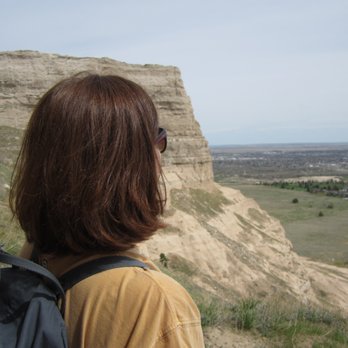
This is a beautiful monument offering exquisite views. Saddle Rock Trail was a very fun hike. Although it's moderate and well paved, there's quite a feeling of satisfaction from reaching the top and the tunnel is a unique feature. I thoroughly enjoyed it as the kick off to a longer hiking trip. Other reviews do a great job of explaining some of the history here (i.e., Oregon Trail) so I'll keep it brief with mine as we just came for the hike. read more




10 years ago
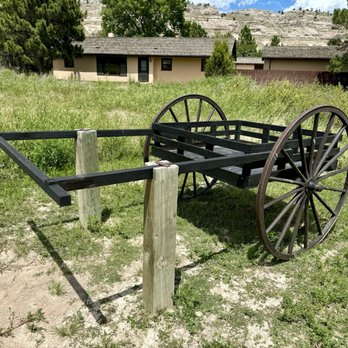
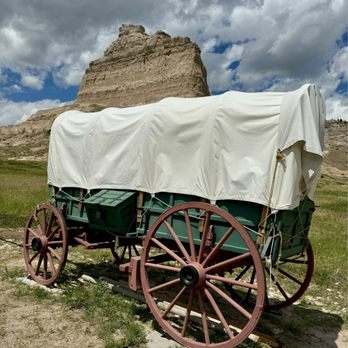
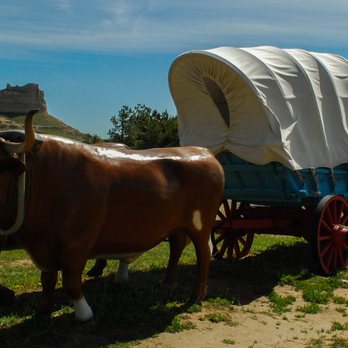
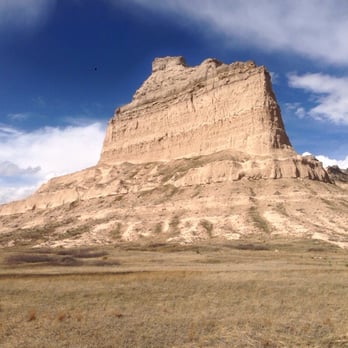
Legend has it that the Bluff was named after Hiram Scott, a tall & muscular mountain man who died from illness or battle wounds near the Bluff around 1828. From an historical perspective, Scotts Bluff, along with Chimney Rock, were symbolic gates to the Rocky Mountains. After a month or two of tramping over 600 miles across the plains at about 15-18 miles per day, the pioneers (many of them barefoot) longed for the sight of Chimney Rock and Scotts Bluff. Ft. Laramie would be gained within in the next 3 or 4 days where supplies could be bought, wagons repaired, and news received from back east and up ahead as travelers in both directions met and shared experiences. After Scotts Bluff and Ft. Laramie, the next major milestone was Independence Rock in Wyoming - the halfway point to Oregon. Independence Rock got it's name from the pioneers' need to reach the halfway point by the 4th of July in order to avoid getting caught in early snows later on (which doomed the late arriving Donner Party in 1846-47). On outdoor display at Scotts Bluff Monument are replica wagons giving visitors a sense of the size of the wagons. (Pioneers used wagons strictly for cargo, the elderly, and the ailing.) Included in the outdoor displays is a Conestoga wagon (the 'Cadillac' of its day), a smaller & common wagon, and even a pushcart which Mormans generally used. (The Mormans lost almost all of their belongings when angry mobs fiercely ousted them from Illinois, and the persecuted Mormans hurriedly gathered their remaining belongings and pushed forward with carts to a new life at the Great Salt Lake in Utah.) For pioneers with wagons, the preferred draught animals were oxen which were rugged and could subsist on plants of the prairie. Mules did rather well, too, but horses were delicate and needed additional grains and nutrients to stay healthy. A drive from the visitors center, up through tunnels, reaches a parking area atop the Bluff with hiking trails to expansive vistas all around the monument. On a good day, 10,000 ft. Laramie Peak can be seen to the west. Off to the east, Chimney Rock can be seen. To the south are the Wildcat Hills, of which Scotts Bluff is a part. Northward is the town of Scottsbluff followed by, as Red Skelton might say, "nothing but miles and miles of miles and miles" (until you hit the Black Hills of South Dakota, about 130-140 miles away). From the visitors center is a hiking trail following the old wagon road, hugging the side of the northern bluff (Eagle Rock). After the railroad made the wagon trail obsolete during the 1860s, it was still used by freight wagons driven by 'bullwhackers' - including famous photographer and painter of the Old West, William Henry Jackson, who camped here in 1866 and painted his view from the site, naming the painting, 'Mitchell Pass'. Rich history surrounds and imbues Scotts Bluff National Monument. It was the gateway to the Rocky Mountains during the 1800s when great herds of buffalo (bison) roamed Nebraska, when fur trappers befriended and clashed with Native Americans, when pioneers sought a new life in western lands, when gold seekers struck out for gold fields in Colorado & California & the Black Hills, when Native Americans futilely tried to stop the flood of settlers, when the Pony Express dashed across the frontier, when railroads revolutionized the land, and buffalo soldiers protected the rails and the settlers. Famous names of the area include Wm F. "Buffalo Bill" Cody, James Butler "Wild Bill" Hickok, Sitting Bull, Crazy Horse, and Gen. George Armstrong Custer. Today, Scotts Bluff National Monument is the gateway to the dramatic history of the American Wild West. read more

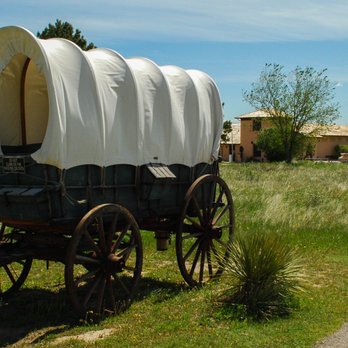


Beautiful. Historical roots. This big Bluff needs some love! You are in the Great Plains & this is the beginning of the Rocky Mountains as well as a historical stop where a lot of trading was done by the pioneers traveling west to Oregon and California along the Oregon Trail. The Bluff itself can be driven up or hiked up. It is 1.5 miles up, and 1.5 miles down. People hike here & such for exercise even. It's a lovely place to be in nature and it's seriously like a 5 minute drive from any of these small towns in the Western Nebraska Pan Handle, Scottsbluff NE. The town was named after the monument. Entry is just $5 a day or $15 for a whole season. This is for car or hiking. Cheap! The whole area is nothing less than amazing. You see big rocks. So this is what the beginning of the Rocky Mountains look like. I seriously look one way and see Scotts Bluff, & across the road some more rocks and peaks, then turn around, & you see the flat lands. It's absolutely what you hear about in the Great Plains...You can see for miles in open areas on a clear sky day. The mountains and start of them here are like giant rocks. The Bluff has tunnels. The visitor center ladies were very helpful and said by car path, there are 2, & by hiking there is 1. You can see them at the base even without climbing. I can't wait to hike up but need a travel partner. Why? Well I have a tip no one else has alerted others about & I feel important that I learned from locals around here as a MUST SHARE. There ARE snakes here. This is natural & we can't go around destroying mother nature. ONE kind IS indeed the venomous RATTLESNAKE. There are also baby rattlers (harder to see, and do not control their venom release thus release more even as little snakes). Rattlesnakes like to sunbathe on the warm rock in evenings most commonly, but any time of day and any warm weather and late season as the days begin cooling off, they are out lots. Also in the tunnels. I don't know snakes, & didn't know how to respond to this. I refuse to visit Western Nebraska here & avoid such an experience because of snakes in their natural environment. The advice is, if laying out long sunbathing, turn around & go the other way, or somehow very far long way around. Do not approach near a Rattlesnake. If you see one curled up, in any specific coil, RUN AS FAST AS YOU CAN. The curling up &rattling sound means they are going to strike. Pretty much everyone local has seen a Rattler there or know someone that has encountered with them, even multiple times or bitten in some cases. Bites require 911 here. If it's a rattler you need help immediately. Bring a person, or a cell phone. The pioneers had to deal with this, so to get the real experience, so do we! We have cell phones & medical help so are unlikely to die. Fear not! Just respond fast if bitten. So, come exercise, hike, drive, & travel up/down (also a shuttle will take you up, down, or both). This is an old Oregon Trail trading post stop. Also, it was a traveling/ stopping point for the German Pony Express. Quick history lesson here, $5 to deliver a letter by "20 day pony express" back then! That's expensive today even. I can't imagine who was able to pay such a fee back then! The visitor center has a great amount of Oregon Trail information, & even sells stuff like books. The visitor center is free, or where you pay your $5 to enter the actual monument. There are bathrooms connected & it's very nice. You can walk through the visitor center for a great review of the Oregon Trail, with photos & glassed in displays. Also a brief review of the Pony Express & very small amount on the Mormon Trail (which joined with the Oregon Trail at some points). The dip in the rocks where the Oregon Trail passes through beside this big bluff & mountain elevations beginning all other areas makes the drop a shared through point for all 3 of these traveling folks. Approach the big rock & you are at a trading post, Scotts Bluff. Better get supplies here, because we all remember how hard our oxen worked & died off (or thieves stole them) as the weather got cooler & the Rocky Mountains were more challenging for them to travel & pull our wagon along! The visitor center. if you walk the whole little building and read along the way is pretty much an Oregon Trail history museum. It's educational & free. There is no food for sale, so do eat or pack a snack to go & a bottle of water. Have your cell to call 911 if any snake bites. It's so lovely to see nature. This is absolutely EPIC. Who played the Oregon Trail game & stopped here to trade? I did! It's a stopping point for us today as it was back for the pioneers. I don't get all the low reviews. This is history. It wasn't & isn't meant to be a huge weekend trip (the pioneers would rest, trade, recover, or KEEP ON GOING- cold weather & mountains were ahead!) This is a STOP on the Oregon Trail that I certainly am glad I didn't miss, as well as the visitor center experience! read more



14 years ago
Page 1 of 2
More info about Scotts Bluff National Monument
190276 Old Oregon Trl
Gering, NE 69341
Directions
(308) 436-9700
Call Now
Visit Website
http://www.nps.gov/scbl
Hours
Outdoor Amenities
From the Business


![Agate Fossil Beds National Monument - 07.07.24 Agate Fossil Beds National Monument [Harrison NE]](https://s3-media0.fl.yelpcdn.com/bphoto/rtG2FH5H7jc1_U5gOOwhwg/ls.jpg)