
Santa Fe Plaza Photos


More like Santa Fe Plaza
Recommended Reviews - Santa Fe Plaza
Start your review...


Reviews With Photos
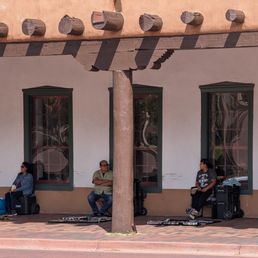

Founded in 1609 by the Spanish, this plaza is the main heart of Santa Fe with a lot of shops and restaurants accessible from here. This was where El Camino Real de Tierra Adentro, the royal road of the interior, ended, having begun in Mexico City. This is where the Santa Fe Trail ended its 900-mile-long journey from Independence, Missouri. There are markers in the plaza commemorating both. The best part of the plaza is the Native American street vendors that sell arts and crafts on the street. Many of them have their ID card and we loved meeting Paul and buying some of the hand painted see pots him and his wife made with hummingbirds on them. We asked him what the bird meant and he said "the beauty of life" and it made it a must buy. We saw other vendors selling jewlery, turquoise, paintings, and sandstone art but this was the tail end of our trip and we had no space anymore. This is an idea/tip but we asked around for fry bread or other Native American foods and nobody knew anywhere close by that served it. A nice Native American food truck or small stand would make a killing in this area!


Santa Fe Plaza is a must see for visitors. It's surrounded by beautiful buildings, museums, restaurants, churches, shopping. It's a beautiful city to visit. I enjoyed visiting and definitely can't wait to visit again .


Here's what you need to know about the Santa Fe Plaza: 1) It can get very crowded around the plaza with lots of pedestrians and cars. 2) Street parking is a challenge and spaces near the plaza are hard to come by. Several parking facilities are located near the Santa Fe Plaza. The Water Street Municipal Lot at 100 East Water Street is a popular surface lot with 156 spaces, including four accessible spots, open 24 hours daily with a rate of $2 per hour, capped at $12 per day. The Sandoval Municipal Garage at 216 West San Francisco Street is another highly used facility with 382 spaces, including 15 accessible spots, open daily from 7 a.m. to 11 p.m., with rates of $1 for the first hour, $2 for the second hour, and $12 maximum per day. The Santa Fe Community Convention Center Municipal Garage at 119 South Federal Place, located a few blocks from the plaza, features 489 spaces, including 13 accessible spots, open daily from 7 a.m. to 10 p.m., with the same rate structure as the other two facilities. Parking is free for individuals with a valid placard or accessible registration plate, and the City has designated 60 on-street and 41 off-street accessible parking spaces throughout downtown. the City of Santa Fe offers a ParkMobile app, which allows users to pay for parking by entering the zone number found on meter signs, extend parking sessions remotely, and receive notifications. 3) FOCUS!! WATCH FOR PEDESTRIANS IN THE AREA AROUND THE PLAZA. Drive very slowly and watch for vehicles unloading or loading. 4) Public restrooms are available. There is a very well-maintained public restroom and visitor center next to the municipal parking lot located at 100 East Water Street.


Beautiful historic plaza, lots of art, jewelry, cafes, restaurants, churches, museums, hotels, and specialty shops. Worth a visit.


The plaza is the best spot to be in Santa Fe. Classic restaurants. Great shopping. Very friendly vendors. We heard a drum circle one day. It's a super cool area to check out. Parking around the outskirts was easy and convenient too. It's all extremely walkable.


Authentic Good buys. Great place to relax and enjoy food and culture. People were very friendly and helpful.


We stayed 2 nights as there is so much to see and do! The shops that can keep you busy all day going in and out! Also the food which is southwest style with the famous hatch chilis. Red or green one is hotter than the other! Get them both which is called Christmas! I ask for them on the side so I can use them to my taste!


Absolutely loved walking around the Santa Fe Plaza. There were so many galleries , boutiques and shops to explore. There were several gardens , stores and restaurants in hidden alley ways. There were several Native Americans selling their crafts. There was also an art fair going on with several unique artists. It is easy to spend several hours walking leisurely through the area. Parking is a bit of a challenge, but we decided to park in a public garage a few blocks away. It was very reasonably priced.
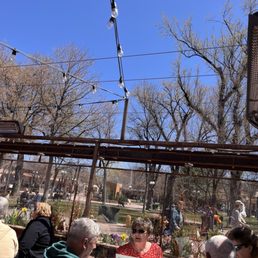

Beautiful location in the heart of downtown Santa Fe. We found a parking lot with a flat rate of $15 which may seem like much but it was right across the O'Keeffe museum and not far from the two other nearby museums plus the plaza. And if you want to take your time seeing all of the stores that are available or even getting a bite to eat then it's definitely worth it vs doing the parked meters that only go up for about 2 hours. Would highly recommend taking your time and finding the hidden gems inside and near the plaza!


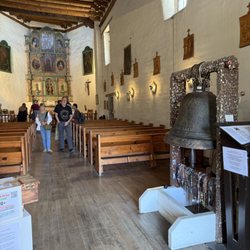
A witness to over four hundred years of New Mexico history and located at the center of the oldest European established capital city in the United States ,the Santa Fe Plaza is the heart of Santa Fe. It has everything one needs for a fun relaxed day in the city . The Plaza is the gathering spot for residents and tourists alike and offers so much - art galleries , restaurants , shops ,boutiques , street vendors and so much history! In addition to the chapel and the Palace of the Governors, there is also the Cathedral Basilica of St. Francis of Assisi and Loretta church. Plenty of food options and restaurents range from new and trendy to old and fine dining -take your pick . Parking can be really challenging but there are paid garages and street parking , the only issue is finding one close to you .


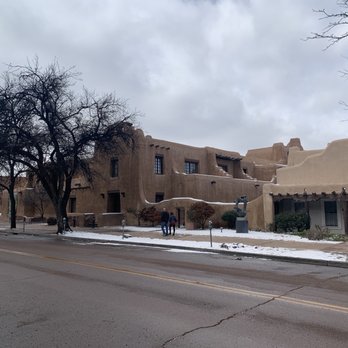
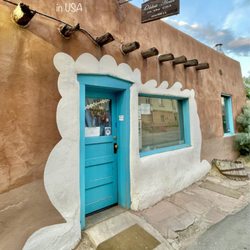
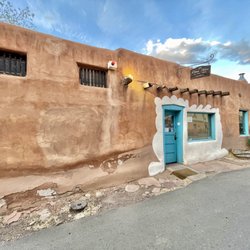
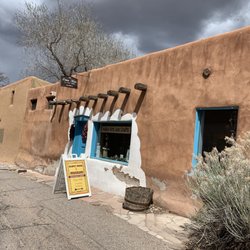
Santa Fe Plaza is a nice area to walk around and explore art galleries, souvenir shops, restaurants, historic sites. The area has an adobe architectural design buildings. I like the the art galleries and learning about the history of Santa Fe. There is so much to discover and trying New Mexican dishes. This place has a unique cultural heritage.


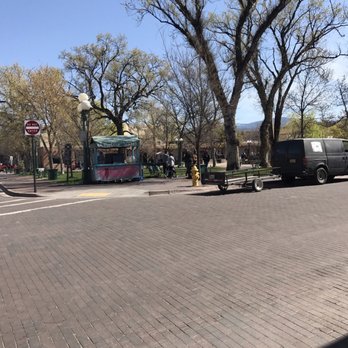
I love a charming town with a nice Plaza, and this one in Santa Fe is one of the cutest, it reminded me of Mexico. You have the nice Gazebo, they do have bands playing in the weekends, but also during week time in the summer, so that's fun. There's a cute taco truck and they also sell lemonades if you get thirsty. Otherwise there are many restaurants around, ice-cream shops, galleries, stores, jewelry shops, a bit of everything, from touristy to more unique, from reasonably priced to very expensive. There's a church around, Saint Francis of Assisi with a cute garden, the Inn of the Governors, a wonderful historic building where they sell Native American goods, museums that stay open till 4 pm. During the weekend they also have street fairs, art fairs, the place is lively, full of people, walkable, the heart of Santa Fe. The Spanish style plaza is a must visit. It's always something going on. I saw it after a summer storm, emptier, I saw it many times bustling of people. It never gets boring and you will always end up here one way or another while in town!


Cool area of Historic Santa Fe! A plethora of shops and restaurants are on the street surrounding the plaza. To the one side during the day, Native Americans, bring their hand made crafts to sell. Really good bargains here on silver jewelry. There are multiple street performers around the plaza. There is ample seating around the plaza and much of it has shade on those intense sun days. It is easy to spend hours here. The surrounding shops have everything from sheepskin coats to Lucchese boots to your usual t-shirt shops. There's even a roof top bar! Great people watching, too!


3 months ago
Santa Fe Plaza is a must-see and is in a bustling area with beautiful buildings, shops, and entertainment. The history and architecture is amazing. Note: Street Parking is a bit challenging and the area can get quite busy, but it's a fun spot. read more

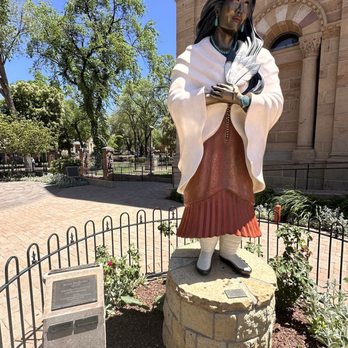


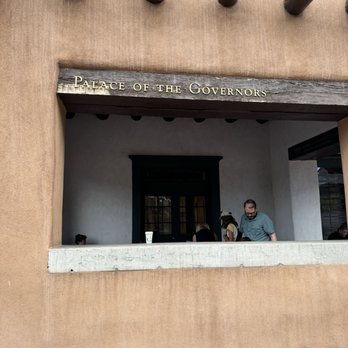
Santa Fe Plaza has a block sized park for sitting. On occasion you're all fine artist selling their wares in the park. The Plaza is surrounded by the Palace of the Governors, and many merchants on the other three sides of it. Much of the street is closed off to automobiles. Pedestrians can walk safely through the Plaza without worry of a car. Metered street and lot parking. read more




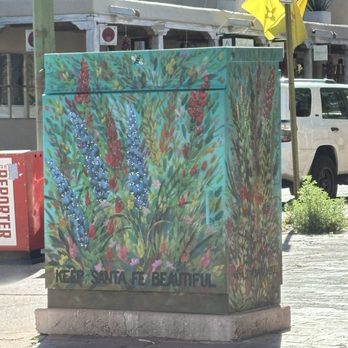

Founded in 1609 by the Spanish, this plaza is the main heart of Santa Fe with a lot of shops and restaurants accessible from here. This was where El Camino Real de Tierra Adentro, the royal road of the interior, ended, having begun in Mexico City. This is where the Santa Fe Trail ended its 900-mile-long journey from Independence, Missouri. There are markers in the plaza commemorating both. The best part of the plaza is the Native American street vendors that sell arts and crafts on the street. Many of them have their ID card and we loved meeting Paul and buying some of the hand painted see pots him and his wife made with hummingbirds on them. We asked him what the bird meant and he said "the beauty of life" and it made it a must buy. We saw other vendors selling jewlery, turquoise, paintings, and sandstone art but this was the tail end of our trip and we had no space anymore. This is an idea/tip but we asked around for fry bread or other Native American foods and nobody knew anywhere close by that served it. A nice Native American food truck or small stand would make a killing in this area! read more
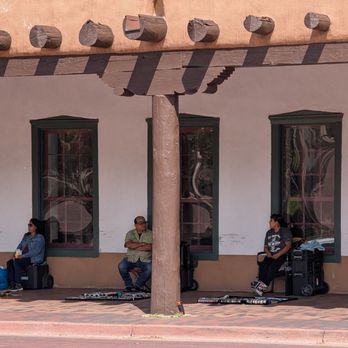
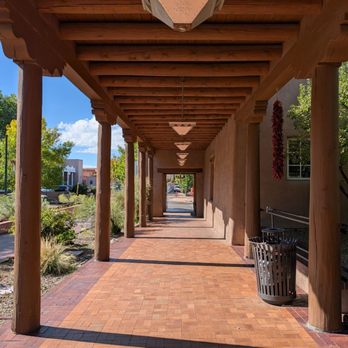


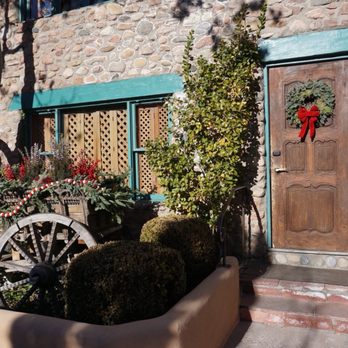


Here's what you need to know about the Santa Fe Plaza: 1) It can get very crowded around the plaza with lots of pedestrians and cars. 2) Street parking is a challenge and spaces near the plaza are hard to come by. Several parking facilities are located near the Santa Fe Plaza. The Water Street Municipal Lot at 100 East Water Street is a popular surface lot with 156 spaces, including four accessible spots, open 24 hours daily with a rate of $2 per hour, capped at $12 per day. The Sandoval Municipal Garage at 216 West San Francisco Street is another highly used facility with 382 spaces, including 15 accessible spots, open daily from 7 a.m. to 11 p.m., with rates of $1 for the first hour, $2 for the second hour, and $12 maximum per day. The Santa Fe Community Convention Center Municipal Garage at 119 South Federal Place, located a few blocks from the plaza, features 489 spaces, including 13 accessible spots, open daily from 7 a.m. to 10 p.m., with the same rate structure as the other two facilities. Parking is free for individuals with a valid placard or accessible registration plate, and the City has designated 60 on-street and 41 off-street accessible parking spaces throughout downtown. the City of Santa Fe offers a ParkMobile app, which allows users to pay for parking by entering the zone number found on meter signs, extend parking sessions remotely, and receive notifications. 3) FOCUS!! WATCH FOR PEDESTRIANS IN THE AREA AROUND THE PLAZA. Drive very slowly and watch for vehicles unloading or loading. 4) Public restrooms are available. There is a very well-maintained public restroom and visitor center next to the municipal parking lot located at 100 East Water Street. read more


1 year ago
Beautiful historic plaza, lots of art, jewelry, cafes, restaurants, churches, museums, hotels, and specialty shops. Worth a visit. read more


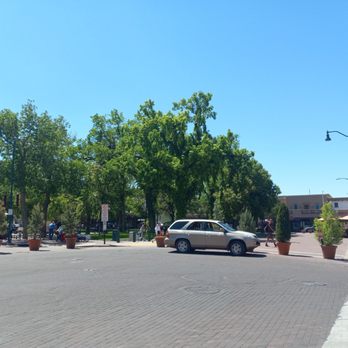


The plaza is the best spot to be in Santa Fe. Classic restaurants. Great shopping. Very friendly vendors. We heard a drum circle one day. It's a super cool area to check out. Parking around the outskirts was easy and convenient too. It's all extremely walkable. read more

2 years ago
Authentic Good buys. Great place to relax and enjoy food and culture. People were very friendly and helpful. read more


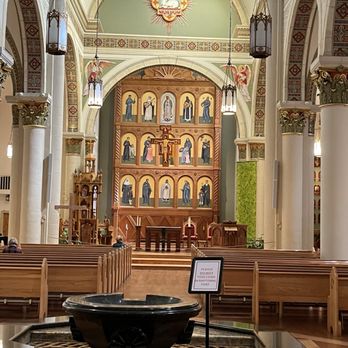


We stayed 2 nights as there is so much to see and do! The shops that can keep you busy all day going in and out! Also the food which is southwest style with the famous hatch chilis. Red or green one is hotter than the other! Get them both which is called Christmas! I ask for them on the side so I can use them to my taste! read more


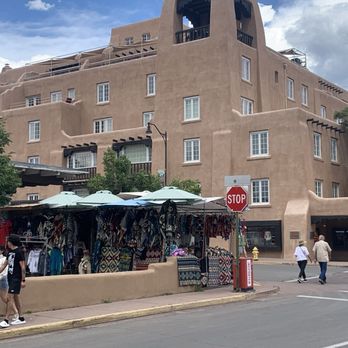
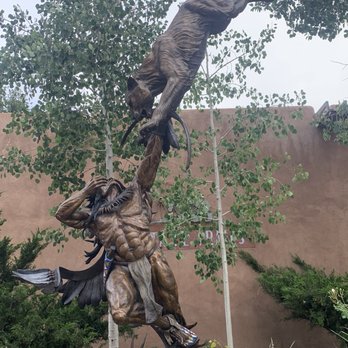

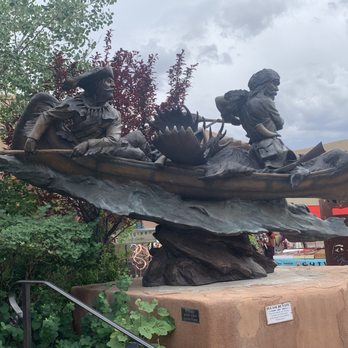


Absolutely loved walking around the Santa Fe Plaza. There were so many galleries , boutiques and shops to explore. There were several gardens , stores and restaurants in hidden alley ways. There were several Native Americans selling their crafts. There was also an art fair going on with several unique artists. It is easy to spend several hours walking leisurely through the area. Parking is a bit of a challenge, but we decided to park in a public garage a few blocks away. It was very reasonably priced. read more


2 years ago

Beautiful location in the heart of downtown Santa Fe. We found a parking lot with a flat rate of $15 which may seem like much but it was right across the O'Keeffe museum and not far from the two other nearby museums plus the plaza. And if you want to take your time seeing all of the stores that are available or even getting a bite to eat then it's definitely worth it vs doing the parked meters that only go up for about 2 hours. Would highly recommend taking your time and finding the hidden gems inside and near the plaza! read more
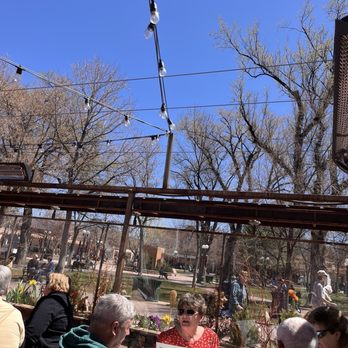


A witness to over four hundred years of New Mexico history and located at the center of the oldest European established capital city in the United States ,the Santa Fe Plaza is the heart of Santa Fe. It has everything one needs for a fun relaxed day in the city . The Plaza is the gathering spot for residents and tourists alike and offers so much - art galleries , restaurants , shops ,boutiques , street vendors and so much history! In addition to the chapel and the Palace of the Governors, there is also the Cathedral Basilica of St. Francis of Assisi and Loretta church. Plenty of food options and restaurents range from new and trendy to old and fine dining -take your pick . Parking can be really challenging but there are paid garages and street parking , the only issue is finding one close to you . read more


1 year ago

Santa Fe Plaza is a nice area to walk around and explore art galleries, souvenir shops, restaurants, historic sites. The area has an adobe architectural design buildings. I like the the art galleries and learning about the history of Santa Fe. There is so much to discover and trying New Mexican dishes. This place has a unique cultural heritage. read more


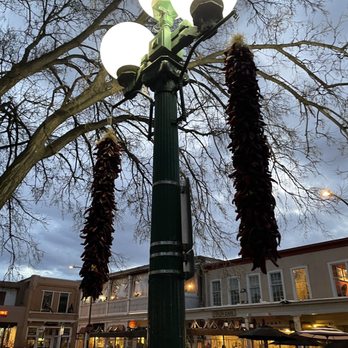


I love a charming town with a nice Plaza, and this one in Santa Fe is one of the cutest, it reminded me of Mexico. You have the nice Gazebo, they do have bands playing in the weekends, but also during week time in the summer, so that's fun. There's a cute taco truck and they also sell lemonades if you get thirsty. Otherwise there are many restaurants around, ice-cream shops, galleries, stores, jewelry shops, a bit of everything, from touristy to more unique, from reasonably priced to very expensive. There's a church around, Saint Francis of Assisi with a cute garden, the Inn of the Governors, a wonderful historic building where they sell Native American goods, museums that stay open till 4 pm. During the weekend they also have street fairs, art fairs, the place is lively, full of people, walkable, the heart of Santa Fe. The Spanish style plaza is a must visit. It's always something going on. I saw it after a summer storm, emptier, I saw it many times bustling of people. It never gets boring and you will always end up here one way or another while in town! read more

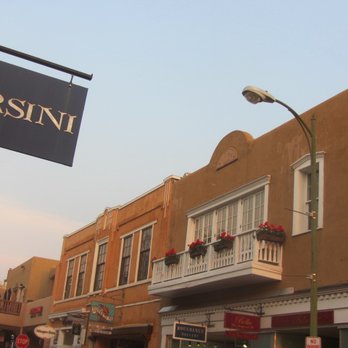


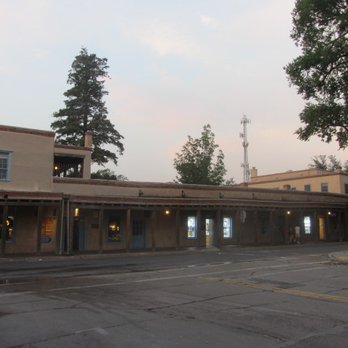

Cool area of Historic Santa Fe! A plethora of shops and restaurants are on the street surrounding the plaza. To the one side during the day, Native Americans, bring their hand made crafts to sell. Really good bargains here on silver jewelry. There are multiple street performers around the plaza. There is ample seating around the plaza and much of it has shade on those intense sun days. It is easy to spend hours here. The surrounding shops have everything from sheepskin coats to Lucchese boots to your usual t-shirt shops. There's even a roof top bar! Great people watching, too! read more


3 years ago
It's a gorgeous heart of the town with plenty of stores, restaurants and local vendors with exquisite finds. It gets quite busy, so be patient looking for a parking or simply walk around. We enjoyed it quite a bit, but found it overcrowded at times, and decided to spend majority of our time in a natural attractions this area has to offer with occasional visits to the main plaza. read more


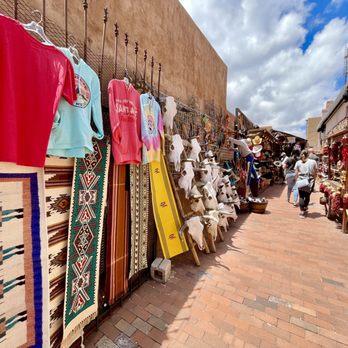


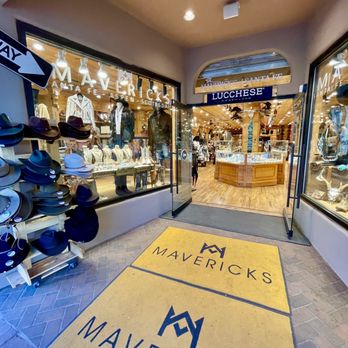
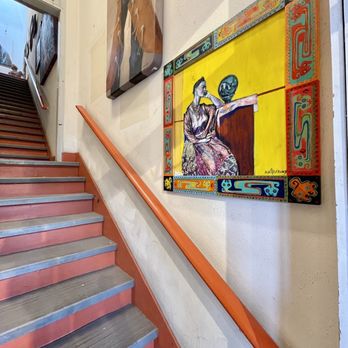


We loved La Plaza in Santa Fe! Visiting family from Nevada this past week and this was our first stop at night and our first stop the next morning. Lots to see and do. Shops, crafts, food, desserts, bars! I mean, they have everything! My favorite is the live music and the historical feel. So much history and culture that you will not want to miss. Lots of picture opportunities as well. We can't to be back soon! read more


7 years ago
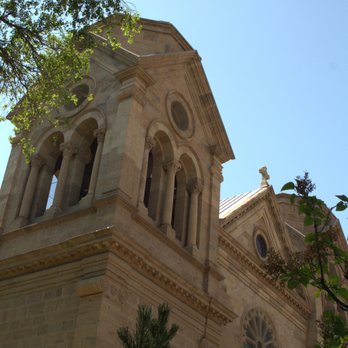
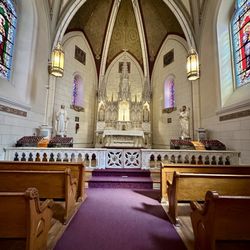
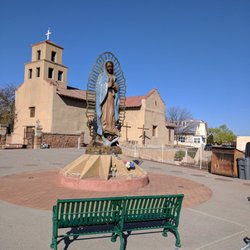
PLAZA listen this isn't your hustle bustle plaza like you see in Europe. It's Santa Fe smaller town style plaza. People setup tables and sell souvenir Native American themed items. Stores alongside sell turquoise jewelry and pretty much they all sell similar stuff. With that said, I still gave this higher than a ok four stars because I think it's worth checking out considering Santa Fe isn't a huge city. Check out the Loretta church and take some photos. Check out the mural columns and use it as a photo op. read more
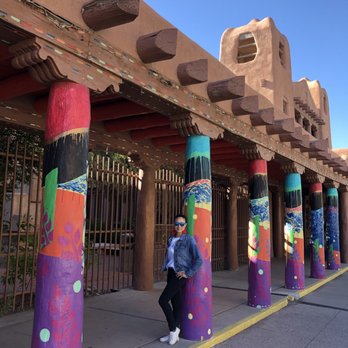

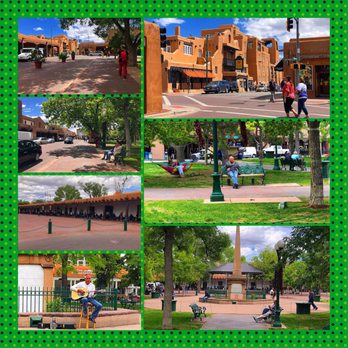
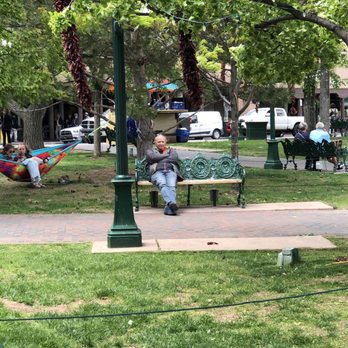
I don't know if it's the geographic center of Santa Fe, but it's certainly the gravitational center. It doesn't matter where you stay in or around the city, everybody has been finding their way here sooner rather than later since 1610. It's no wonder as many of the top attractions are located within spitting distance of the plaza, but for Don Pedro's sake, don't spit. It's only two acres after all, so that saliva will likely end up on somebody. Buskers, benchwarmers, breakdancers, and Bermuda short-wearing tourists populate the square - and where else can you gorge on your Frito pie from the Five and Dime without judgment? RELATED - Do you know the way to Santa Fe? Here's a collection of places I've visited and reviewed: bit.ly/2I4mWdq read more




3 years ago


High end tourist trap. It's a fun visit, and you'll get a bunch of cool pictures but don't expect too much. Parking can be a bit tough and most meters limit you to two hours. It's a touristy thing to come here and it's a walking /shopping experience. Lunch is also a popular option. Beat Bets for affordable shopping - Yipee Yi Yo (affordable tourist shopping in this Plaza) - The Santa Fe Arcade sells mostly cheaper import items - Five and Dime sells very cheap tourist souvineers read more


2 years ago

The central area to shop, eat, drink, and check out some of the historical buildings around in Santa Fe. I've visited during summer, spring, and fall. All seasons are the perfect time to visit. Such beautiful buildings and landscaping. I could just walk around here taking it all in. This is quintessential Santa Fe. The adobe buildings and the chile ristras hanging from them are the best. Restaurants in the plaza range from hole in the wall spots to higher end restaurants. We haven't found a bad one yet. It's hard to go wrong with green chiles. One of the bar style restaurants has a rooftop patio that's lovely for enjoying food and drink with a view. Shopping for the most part is overpriced. There are a few affordable shops with clothing, jewelry, and handmade goods. Most of the shopping is high end art and house décor. Even if it isn't affordable it's still fun to look and enjoy the unique nature of what they have to offer. In between all of the shopping and restaurants is plenty of history. All of the old buildings and churches. Santa Fe even has the oldest church in America. Special events line the grassy area in the middle on weekends. During one visit we found a market with Native American Tribes selling handmade goods. During our most recent visit there was an interesting car show. Even when something isn't happening it's a lively, happy place to be. read more


6 years ago
"Someone asked me if I missed you. I didn't answer. I just closed my eyes, walked away, sighed deeply, and whispered 'so much'." - It's Saturday night, and I'm sitting on a park bench alone at Santa Fe Plaza. The temperature dropped this evening, and a refreshing, cool breeze is playing with the brittle leaves, sweeping them here and there and everywhere. That's what plaza's are for, for whimsy, for slowing down, for finding a state of mindfulness, for romance, and for those sorts of things. Sitting there at the Plaza, I was missing my love, like every moment of my life, and I wanted to be holding her close. So I paid this fine gentleman to play love songs for me. He played: -My Love by Paul McCarthy -Something by The Beatles -Till There Was You by The Beatles -Longer by Dan Fogelberg -And more..... "...and, suddenly, out of nowhere, all of the art the poetry all of the love songs were all about you." Yes, all the art, all the poetry, all the love songs are about her, and that's why I asked the fine gentleman to play love songs for me at Santa Fe Plaza this breezy Fall evening. As I sat there on a park bench alone.... read more


When visiting Santa Fe a must is the plaza. With all its history and culture. There are some great places of different pricing to eat downtown. When it comes to shopping you have lots of choices. For some quiet time the benches in the plaza afford you that quiet time. read more


4 years ago
Several establishments offer many southwest apparel, decor, and art. You have native Americans that sell their beautiful jewelry on outside area walk ways, which offer the best prices, and hospitality is unmatched compared to most but not all of the people who work in the stores. It would be nice to find a store owned by just them in this area other than art. Aye Dios! Back the the nice church here to light a candle, and pray for them! read more



7 years ago
The Plaza has been around for four centuries and is now full of extremely expensive and chic art galleries, restaurants, and jewelry shops. The Georgia O'Keefe Museum and the New Mexico Museum of Art are both worth checking out. Even the street artists, who sell their turquoise and copper jewelry on the sidewalk just outside the historic Governors Palace, have crazy high prices. You can haggle some but they won't budge by much. If you're looking for turquoise jewelry bargains, then head to the street sellers in Old Town in Albuquerque. Santa Fe caters to the tourist with lots and lots of the green stuff (and I don't mean turquoise). Did I have fun anyway? Yes. Browsing jewelry and museum-hopping can be fun. read more
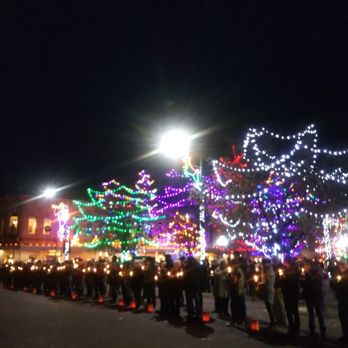

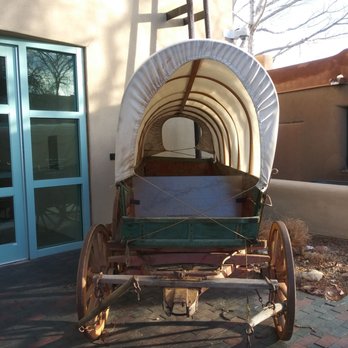

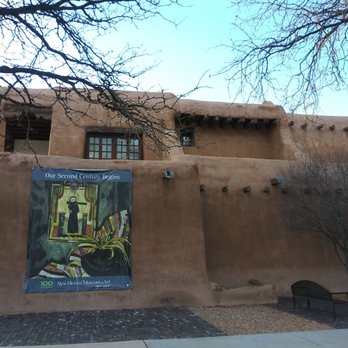

Many towns, if not most, have a central plaza or Main Street. Santa Fe plaza is as good as any you have been to. I grew up in the area so admittedly, I am a little biased. But by that same history, I can tell you it has changed so very little. It's still quant, it's still has the vendors from different pueblos that line a couple sides of the square. They display their wares on blankets that are laid out. There are good restaurants, activities in the square, and many galleries. You won't find up in the way of a discounted store, but then again that isn't Santa Fe. You can find Great art pieces all around but they are high end. You could spend all day in and around the plaza, and I would suggest you do if you have the time. read more


3 years ago

The Old Focal Point of Santa Fe. Yes, shopping is available until you drop into a well kept and safe park bench. This is where you begin to take in the true experience. Have a water, coffee, or Power drink handy. Grab a bench either in the sun, shade or both - the sun here is very comforting anytime of year. Now, begin to observe every minute detail: The architecture, the landscape, trees, grass, historic monuments, pigeons being safely chased by little ones, tours and locals of every description doing the same or passing by. Many with a dog or two and just as many descriptions if not more. The Plaza is slow to start in the morning and early to quiet down; as with much of Santa Fe, but who's complaining? During peak hours, say 9:00 AM to 5:30 PM, Native American vendors set up and sell their beautiful crafts. Vending carts, twin seat Rickshaw bicycle taxi's, and vehicles line and pass by the Plaza. Restaurants and Cafes are in plan site and tucked down side streets, alleys, and through a building to a courtyard. This is fun to explore and for me after nearly a week here, I'm still discovering. read more



7 years ago

This plaza is great. We were exploring downtown and stopped by to rest our feet. There's tables and benches spread out and there were a lot of people hanging out enjoying the weather. Plenty of spots to eat and shop around here. We came back in the evening for their concert series and there was a big crowd listening to the music. Lots of families and kids and dogs, we felt a nice sense of community. Though the music wasn't amazing, people were having a good time and quite a few were dancing in front of the stage. The city felt alive and we got some ice cream and bought a few souvenirs while we were there. There was a street performer (violinist) who played in the afternoon and after the band finished and she had a good audience. Nice to support local talents and enjoy a beautiful night in this cute city. read more

Page 1 of 4
More info about Santa Fe Plaza
Santa Fe Plaza Reviews in Other Languages
Ask the Community - Santa Fe Plaza
Don't know why my question was reported and removed but is this place open or permanently closed?
It is open. We just visited in June.
Review Highlights - Santa Fe Plaza

















Why does Yelp recommend reviews?
7 reviews that are not currently recommended
The reviews below are not factored into the business's overall star rating.
14 years ago
8 years ago

15 years ago
4 years ago
2 years ago

4 years ago
13 years ago


