
Santa Clara Church Photos


More like Santa Clara Church
Recommended Reviews - Santa Clara Church
Start your review...


Reviews With Photos


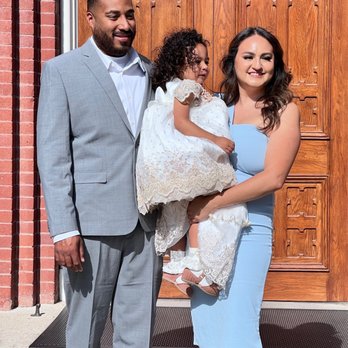
Great location for a baptism I baptized my god daughter here the service was great and the atmosphere is great. they do it in two languages which is very convenient for every catholics language needs...my only gripe is the lady that gives instructions and rules. She will jump on you if you break one of the rules which makes it more disruptive people just want their special day captured from every angle I think they should ease up on that rule other than that its a good service location.


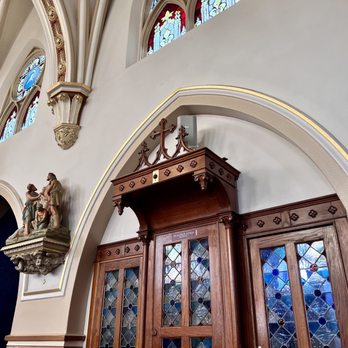
This is one of the most beautiful churches in Ventura county. If you like the old world architecture, you will like the design of this church, built in the early 1900's. It is beautiful on the outside as it is on the inside. The details are absolutely breathtaking, from the stain glass from the detailed work on the ceiling to the carved wood around he confessionals. Such perfection. If you want to just visit and seat and take it all in, they welcome to that, too. The high ceilings make it feel spacious, so that even on a full mass, it does not feel crowded. I have attended a couple wedding and baptisms here but not weekly mass. If you're visiting Candy cane lane a couple of streets over this year, come early and take a look inside this gorgeous historical church.
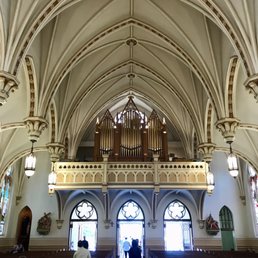

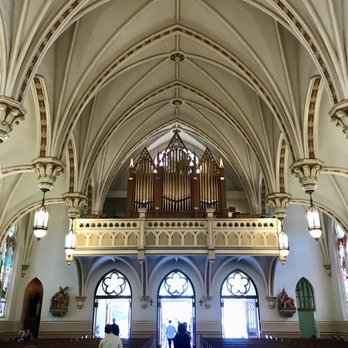
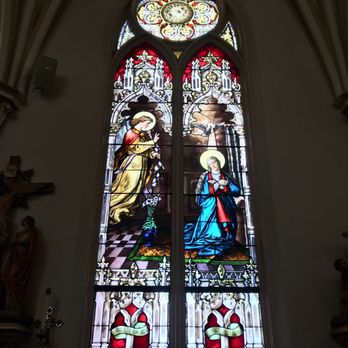
What a beautiful church! If you prefer a more traditional Mass with a full choir and organ music you might want to visit this lovely church. The interior is gorgeous.


Santa Clara is historical growing up in Oxnard. The Romanesque style church has been built since the early 1900's and has provided Catholic worship and services since then. I enjoy seeing a lot of regulars and locals here because it shows what a tight knit community Oxnard has become :) Also, I usual don't sit in the pews because sitting down makes me feel comfy and fall asleep :)


I have photographed at least ten weddings at this amazing church. This past weekend was the first one that reverend Lucio Juarez was officiating. I`m not sure if he is one of your priests on staff, but he was by far the rudest man I`ve ever met. He insulted the guests by casting judgement on their religious practices in front of the bride and groom. He stated if anyone was living in sin they were not welcome to take part of blessing. Is this man declaring he is sinless and only allowing those with certain sins to take part in communion? Blasphemy! Also, he insisted I stand in one spot in the doorway in a room in the back for the entire hour otherwise I was not allowed inside the building. How disrespectful to the bride & groom who hire someone to capture the biggest day of their lives only to have this man ruin it by insulting comments, and controlling behavior. Please have a serious talk with him regarding his ego. He is not someone who resembles Jesus. If I photograph another wedding there, I will disregard his controlling demands and do what is best for the bride & groom.
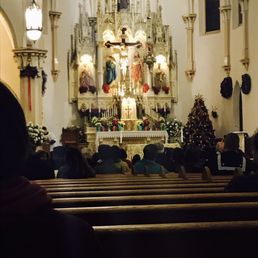

We came out here on Christmas Eve , we are new to the neighborhood so we have not had a chance to get situated and get to know our community well so we thought what better than church on Christmas Eve and we picked the midnight mass. Everyone seemed very nice however the mass was beyond boring and the story lines did not grab your attention as they do . I mean don't get me wrong the main purpose was not to have a good time but my favorite mass of the entire year is the Christmas Eve mass and this one not only barely had Christmas spirit , The annual Midnight Mass is the first event on the Catholic Christmas calendar so I guess I was just expecting more .... the building seems nice and very clean , there were enough parking and the crowd were great and it seemed like great community to be a part of however the program alone was sadly putting us to sleep ....


Here I am Lord. Is it I Lord? I have heard you calling in the night. I will go Lord, if you lead me... A beautiful parish. Had the pleasure to stop by for a daily Mass and if I was in the area I'd be here every day. The outside and inside of the parish is serene and peaceful. I didn't walk thru the garden area near the parking lot but seemed like a perfect place to sit and let God's peace be with you. Didn't have a chance to take photos as I was captivated by the beauty of the altar and stained glass windows. It also has one of my favorite sculptures of Michelangelo's Pieta. You can definitely find the Kerygma proclaimed here daily. If you're nearby, make this a stop for some prayer and worship. God bless read more


6 months ago

Great location for a baptism I baptized my god daughter here the service was great and the atmosphere is great. they do it in two languages which is very convenient for every catholics language needs...my only gripe is the lady that gives instructions and rules. She will jump on you if you break one of the rules which makes it more disruptive people just want their special day captured from every angle I think they should ease up on that rule other than that its a good service location. read more


2 years ago
2 years ago

This is one of the most beautiful churches in Ventura county. If you like the old world architecture, you will like the design of this church, built in the early 1900's. It is beautiful on the outside as it is on the inside. The details are absolutely breathtaking, from the stain glass from the detailed work on the ceiling to the carved wood around he confessionals. Such perfection. If you want to just visit and seat and take it all in, they welcome to that, too. The high ceilings make it feel spacious, so that even on a full mass, it does not feel crowded. I have attended a couple wedding and baptisms here but not weekly mass. If you're visiting Candy cane lane a couple of streets over this year, come early and take a look inside this gorgeous historical church. read more


1 year ago

3 years ago
What a beautiful church! If you prefer a more traditional Mass with a full choir and organ music you might want to visit this lovely church. The interior is gorgeous. read more


2 years ago
3 years ago

Santa Clara is historical growing up in Oxnard. The Romanesque style church has been built since the early 1900's and has provided Catholic worship and services since then. I enjoy seeing a lot of regulars and locals here because it shows what a tight knit community Oxnard has become :) Also, I usual don't sit in the pews because sitting down makes me feel comfy and fall asleep :) read more


5 years ago

14 years ago
I have photographed at least ten weddings at this amazing church. This past weekend was the first one that reverend Lucio Juarez was officiating. I`m not sure if he is one of your priests on staff, but he was by far the rudest man I`ve ever met. He insulted the guests by casting judgement on their religious practices in front of the bride and groom. He stated if anyone was living in sin they were not welcome to take part of blessing. Is this man declaring he is sinless and only allowing those with certain sins to take part in communion? Blasphemy! Also, he insisted I stand in one spot in the doorway in a room in the back for the entire hour otherwise I was not allowed inside the building. How disrespectful to the bride & groom who hire someone to capture the biggest day of their lives only to have this man ruin it by insulting comments, and controlling behavior. Please have a serious talk with him regarding his ego. He is not someone who resembles Jesus. If I photograph another wedding there, I will disregard his controlling demands and do what is best for the bride & groom. read more


We came out here on Christmas Eve , we are new to the neighborhood so we have not had a chance to get situated and get to know our community well so we thought what better than church on Christmas Eve and we picked the midnight mass. Everyone seemed very nice however the mass was beyond boring and the story lines did not grab your attention as they do . I mean don't get me wrong the main purpose was not to have a good time but my favorite mass of the entire year is the Christmas Eve mass and this one not only barely had Christmas spirit , The annual Midnight Mass is the first event on the Catholic Christmas calendar so I guess I was just expecting more .... the building seems nice and very clean , there were enough parking and the crowd were great and it seemed like great community to be a part of however the program alone was sadly putting us to sleep .... read more
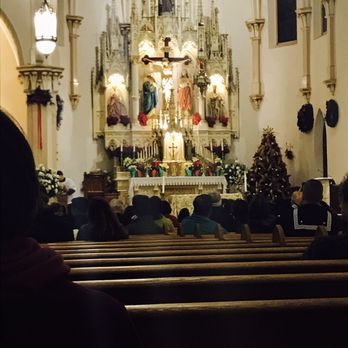

My best friend got married here last week and I was the Best Man. It has been over 12 yrs since I've been back to this Church. When I pulled in to the parking lot for the rehearsal I saw the familiar steeple, trees, and grassy lawn in front of the Church. I felt like I had gone back in time.....not much has changed over the years. We were greeted by the wedding planner assigned by the parish and my friend's personal wedding planner and walked through the ceremony. It was pretty easy and only took around 20 minutes to review. Everyone was excited, especially my friend (groom) and the bride. The following day we came for the wedding ceremony and it went perfectly. Everyone from the Priest, Singers, and Wedding Planner was very professional and delivered an awesome ceremony. Will I return? I'm sure someday I will....when I'm back in town. read more


4 years ago

7 years ago
8 years ago

14 years ago

10 years ago
7 years ago

10 years ago
8 years ago

10 years ago
9 years ago

12 years ago
13 years ago
11 years ago

11 years ago
14 years ago
9 years ago
More info about Santa Clara Church
Ask the Community - Santa Clara Church
Review Highlights - Santa Clara Church
















Why does Yelp recommend reviews?
3 reviews that are not currently recommended
The reviews below are not factored into the business's overall star rating.
6 years ago
2 days ago
4 years ago


