
Rural Hill Photos

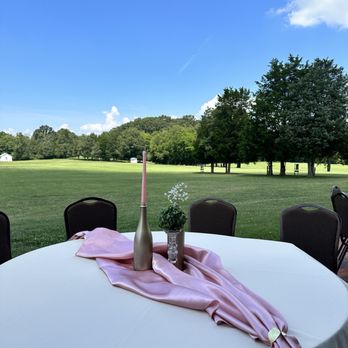

More like Rural Hill
Recommended Reviews - Rural Hill
Start your review...


Reviews With Photos


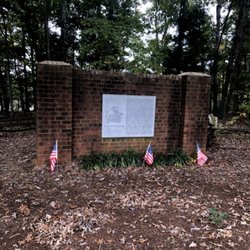
Whether it's from the maddening crowds of an expansive metropolis, or the pressures of a career, Rural Hill is a pleasant place in which to escape. It's a quaint, restored throwback to the era when the Scots and the Davidsons timbered forests, tilling them into fields and farms. Eventually, the area was established and is known by their name. The Davidson family cemetery is prominently lined with a beautiful stone wall and is open most days. Trails exists for walking but not many use them (which is why I like going). There is an old dirt road that eventaually dead ends at a small shelter overlooking a pond--I think it leaves many disappointed. There's not much to see once you arrive and ALL the land is a County preserve with trespassing not allowed (yep, they got trail cams so if fishing is your plan, you've been warned). The magic, really, is the road itself. It winds through the woodlands for a couple miles with little traffic. I often park and walk portions with my binoculars. I grew up on such a road in Upstate New York. Fond memories rekindle. I am reminded of how happy was my childhood. Sometimes I see turkeys, deer, ospreys, and coyotes. Looking for a leisurely way to spend some time away? I say "give it a whirl." Breath it all in!


Attended to BrightFire 2022 festival. It was so amazing and fun. What a calibration of earth loving human being. The Gad great shows, fire dancers, fantastic music, food trucks, vendors and arts. There was so many people there it was great. I'm hoping to come back and see the whole property.


Rural Hill is a 265 acre nature preserve & farm, which is open for tours, festivals, weddings, sheepdog trails, walking, & field trips. It's also home to the "Amazing Maize Maze." Today's visit brought Milo & I here for the "Bark in the Park" festival. For the second year in a row, I'm really impressed at the layout. Festivals are held behind (& around) all the historical buildings on the property. There's plenty of parking, as well. There's so much to do here outside of festivals. It's worth reviewing their website, or checking out a festival being held there.


I've only ever come here for amazing maize maze in the fall, but I love it! This is my favorite corn maze in the Charlotte area. I love that they have mailboxes scattered throughout the maze for you to collect a piece of the map at so that you aren't just wandering aimlessly trying to find the exit like you have to do at other mazes. It's very well coordinated with color zones that correspond to what piece of the map you're in. I make sure to come every year when my parents come down to visit me. It's $11 for adults and it usually takes us between 1-2 hours to find all of the pieces of the map and get out. They also had a bunch of inflatables set up this year and they have some food available. The only bathrooms on site are port a potties. I would highly recommend stopping by to do the maze!


I am glad we crossed this off the list as a "fall thing", however I doubt I will make this a fall tradition. During the fall they have the Amazing Maize which is a corn maze. During the day it was $11 per adult. I believe at night it is a couple bucks more, but us not haunted. They do take cash and card. There is a brief orientation about the maze and then your sent out with this pole flag your group has to carry in the event you need to get out for an emergency. The maze is wide but it is so hard. It was crowded when we went and hot. Dress appropriate. There is no shade in the maze. They also had bouncy house activities for kids. A food truck and they did serve beer. There's a tractor hayride for a couple bucks more. They take you around the grounds. The grounds are pretty. Also, they have gorgeous pumpkins for sell.


5 days ago

6 years ago
I came to Rural Hill for the Amazing Maize Maze. Rural Hill is a beautiful place tucked away in Huntersville. The Maze had a high production value! Not only are you trying to navigate through the large twisting and turning space, but you're also trying to find a series of clues that have a theme. This was definitely one of the more difficult mazes that I've ever done. I went on Halloween and was also pleasantly surprised by the buckets of candy placed throughout the maze During COVID, they did a good job at managing crowds by having people buy tickets for certain time slots. The staff was wearing masks and asked people to wear masks during the beginning and end of the maze. read more


Whether it's from the maddening crowds of an expansive metropolis, or the pressures of a career, Rural Hill is a pleasant place in which to escape. It's a quaint, restored throwback to the era when the Scots and the Davidsons timbered forests, tilling them into fields and farms. Eventually, the area was established and is known by their name. The Davidson family cemetery is prominently lined with a beautiful stone wall and is open most days. Trails exists for walking but not many use them (which is why I like going). There is an old dirt road that eventaually dead ends at a small shelter overlooking a pond--I think it leaves many disappointed. There's not much to see once you arrive and ALL the land is a County preserve with trespassing not allowed (yep, they got trail cams so if fishing is your plan, you've been warned). The magic, really, is the road itself. It winds through the woodlands for a couple miles with little traffic. I often park and walk portions with my binoculars. I grew up on such a road in Upstate New York. Fond memories rekindle. I am reminded of how happy was my childhood. Sometimes I see turkeys, deer, ospreys, and coyotes. Looking for a leisurely way to spend some time away? I say "give it a whirl." Breath it all in! read more




3 years ago

Attended to BrightFire 2022 festival. It was so amazing and fun. What a calibration of earth loving human being. The Gad great shows, fire dancers, fantastic music, food trucks, vendors and arts. There was so many people there it was great. I'm hoping to come back and see the whole property. read more


Rural Hill is a 265 acre nature preserve & farm, which is open for tours, festivals, weddings, sheepdog trails, walking, & field trips. It's also home to the "Amazing Maize Maze." Today's visit brought Milo & I here for the "Bark in the Park" festival. For the second year in a row, I'm really impressed at the layout. Festivals are held behind (& around) all the historical buildings on the property. There's plenty of parking, as well. There's so much to do here outside of festivals. It's worth reviewing their website, or checking out a festival being held there. read more


6 years ago

9 years ago
I've only ever come here for amazing maize maze in the fall, but I love it! This is my favorite corn maze in the Charlotte area. I love that they have mailboxes scattered throughout the maze for you to collect a piece of the map at so that you aren't just wandering aimlessly trying to find the exit like you have to do at other mazes. It's very well coordinated with color zones that correspond to what piece of the map you're in. I make sure to come every year when my parents come down to visit me. It's $11 for adults and it usually takes us between 1-2 hours to find all of the pieces of the map and get out. They also had a bunch of inflatables set up this year and they have some food available. The only bathrooms on site are port a potties. I would highly recommend stopping by to do the maze! read more


9 years ago
I am glad we crossed this off the list as a "fall thing", however I doubt I will make this a fall tradition. During the fall they have the Amazing Maize which is a corn maze. During the day it was $11 per adult. I believe at night it is a couple bucks more, but us not haunted. They do take cash and card. There is a brief orientation about the maze and then your sent out with this pole flag your group has to carry in the event you need to get out for an emergency. The maze is wide but it is so hard. It was crowded when we went and hot. Dress appropriate. There is no shade in the maze. They also had bouncy house activities for kids. A food truck and they did serve beer. There's a tractor hayride for a couple bucks more. They take you around the grounds. The grounds are pretty. Also, they have gorgeous pumpkins for sell. read more


What a tremendous hidden gem! We visited recently during their annual Sheepdog trials. Yes, there is a place right outside of Uptown that has annual tests of how well Sheepdogs herd sheep! Before you roll your eyes, let me set the stage - imagine a giant farm area with beautiful rolling hills and forest, easily accessible with tons of parking. Then add in happy couples and families, many with dogs, relaxing and watching various events. Now sprinkle in a food court, beer and wine, and a pumpkin catapult. Sounds good, doesn't it? This is just a really cool place - you feel like you are in the bucolic country, the views are great and it's a lot of fun to wander around and see the various historic spots, including a functioning blacksmith studio. It's exceptionally dog and child-friendly, which is a huge plus. Definitely worth checking out. read more


13 years ago


5 years ago

10 years ago
11 years ago
More info about Rural Hill
Ask the Community - Rural Hill
Review Highlights - Rural Hill






Why does Yelp recommend reviews?
3 reviews that are not currently recommended
The reviews below are not factored into the business's overall star rating.
2 years ago

10 years ago

4 years ago


