Portugese Synagoge Photos


Recommended Reviews - Portugese Synagoge
Start your review...


Reviews With Photos


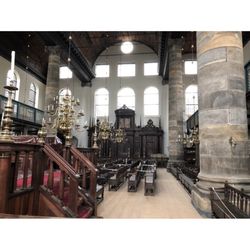
The Portuguese Synagogue was one of the more interesting stops we made in Amsterdam. The audio tour that takes place in several areas of the Synagogue was very informative and interesting! Being a Sephardic synagogue, I learned a lot! The Synagogue was completed in 1674, and to this day it has no heating or electricity. All of the services are conducted using natural light or candles. In addition to the Synagogue itself, you can tour the rabbinate, the mikva, and archives which includes Torah Mantles made from dresses donated by Portuguese Jews who belonged to the Synagogue. The tour is great! And the price of the ticket includes entrance to several other places in the Jewish Cultural Quarter of Amsterdam, including: the Jewish Historical Museum, Hollandsche Schouwburg (National Holocaust Museum), and more! Definitely one of the highlights of our trip to Amsterdam!
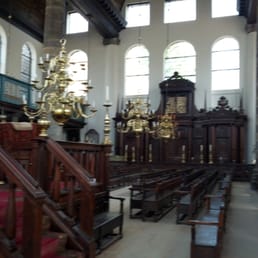

Beautiful Sephardic synagogue that's still being used by a diminished congregation. The building is unique with a long history. It's unheated and doesn't have electricity. The audio guide is very informative. It explicates the long history of the Jewish community in Amsterdam and the devastation of the holocaust. Amazingly, the congregation was able to reconstitute itself. read more

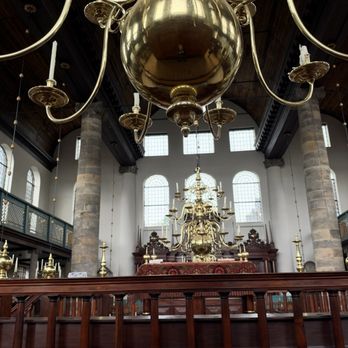

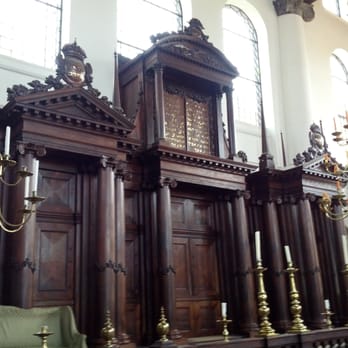
The Jewish Cultural Quarter is east of the city center with Europe's largest and oldest active synagogues. Its magnificent interior looks much as it did in 1675, with its original towering stone columns, vaulted timber ceiling & wooden pews surrounding a massive Torah ark made of gleaming wood. Evening services are illuminated by hundreds of candles in the large brass chandeliers. The sheer size of the synagogue & it's beauty left us awestruck. The Portuguese Synagogue is the functioning house of prayer of the Portuguese Jewish Community of Amsterdam. On days when no services are held, this magnificent esnoga and the hidden treasure chambers are open to visitors. What makes this building so remarkable is that its interior has remained completely intact. No heating or electricity has been installed and it's lit by a thousand candles you see all around. At night, by candlelight and the candlelit concerts are supposed to be incredible. The world's oldest functioning Jewish library is also here: Ets Haim Livraria Montezinos, which is on UNESCO's World Heritage List. read more


5 years ago

The Portuguese Synagogue was one of the more interesting stops we made in Amsterdam. The audio tour that takes place in several areas of the Synagogue was very informative and interesting! Being a Sephardic synagogue, I learned a lot! The Synagogue was completed in 1674, and to this day it has no heating or electricity. All of the services are conducted using natural light or candles. In addition to the Synagogue itself, you can tour the rabbinate, the mikva, and archives which includes Torah Mantles made from dresses donated by Portuguese Jews who belonged to the Synagogue. The tour is great! And the price of the ticket includes entrance to several other places in the Jewish Cultural Quarter of Amsterdam, including: the Jewish Historical Museum, Hollandsche Schouwburg (National Holocaust Museum), and more! Definitely one of the highlights of our trip to Amsterdam! read more


13 years ago



7 years ago

11 years ago


12 years ago