Person County Photos
More like Person County
Recommended Reviews - Person County
Start your review...



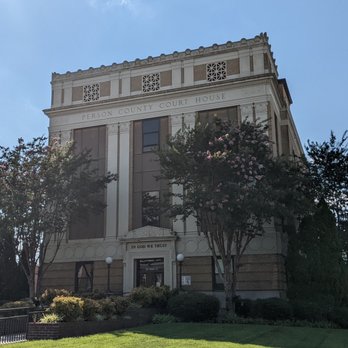
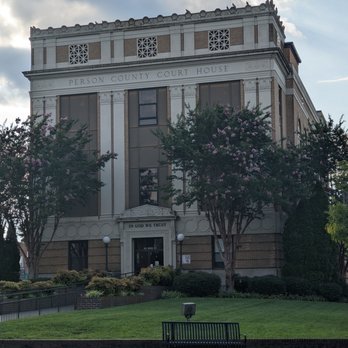
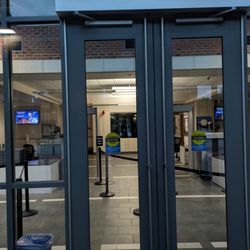
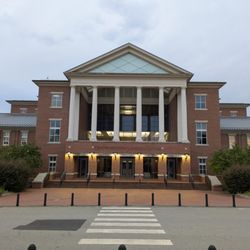
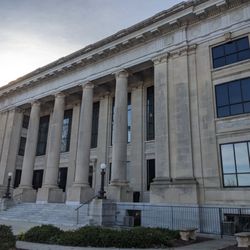
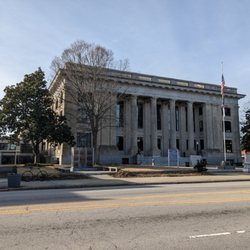
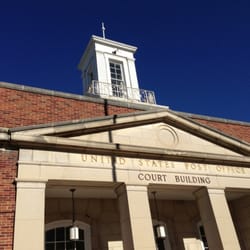
The current courthouse structure dates to 1932 and is the third courthouse built on the site. It was designed in 1930 by architect Charles C. Hartmann. The original land conveyance occurred in 1792 and consisted of six acres donated to Person County by Dempsey Moore, "in consideration of the good-will of the people of the County of Person." An 1842 survey reflects a natural spring located on the property. This natural spring, as well as the fact that this location lies at the geographical center of Person County, symbolizes the logical placement of the courthouse on this spot. It is a four-story Classical Revival brick building that was added to the National Register of Historic Places in 1979. An addition to the original structure was added in 1979 and renovations were completed in 2010. The interior contains only courtrooms, judicial offices and security. [Review 18076 overall - 3324 in North Carolina - 1598 of 2022.] read more
More info about Person County













Why does Yelp recommend reviews?
1 review that is not currently recommended
The reviews below are not factored into the business's overall star rating.

1 year ago


