
Parque Europa Photos


Recommended Reviews - Parque Europa
Start your review...



3 years ago

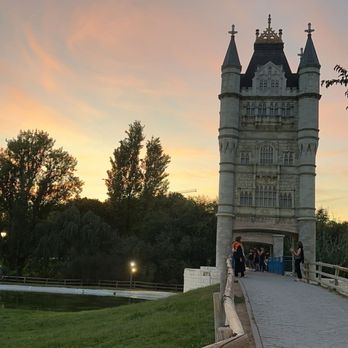
What a cool little park with larger than bite size attractions from across Europe. If you can't venture to toss a coin in the Trevi fountain, gawk at the height of the Eiffel Tower, or stroll across the London bridge, this park allows a quick trip across Europe to see it all. From iconic monuments and European attractions to miniature golf, treetop obstacle courses, and mazes alongside railroad cart trails, this small park is stacked with things to experience. The historical European symbols are incredible; however, the activities littered about are a mystery, and not in a good way. I'm not sure if it's the time of day (1100 -1300) and/or the time of week (Friday) that we went but zero of the activities were open to us. In fact, they all looked a bit unkempt and some even appeared to be in disrepair. The sign said that the activities will be open and available but are subject to closure due to...well, any reason the operators make up (it didn't actually say that but the sentiment is there). If they'd been open, this would be a 5-star rating. All across the park are soda machines (watch out, one was protected by a very thirsty and irritable black goose), exceptionally clean and well-stocked bathrooms, and ice cream and popsicle stands. There is even a very nice looking bar and restaurant at the front of the park. Honestly, this is a neat idea for a park and one to which we will return. If you go, I hope you have the same experience with the only difference being that the activities are open. Enjoy. read more


5 years ago
More info about Parque Europa
Parque Europa Reviews in Other Languages












Why does Yelp recommend reviews?
3 reviews that are not currently recommended
The reviews below are not factored into the business's overall star rating.

11 years ago

13 years ago

14 years ago


