
Orchard Church Photos


More like Orchard Church
Recommended Reviews - Orchard Church
Start your review...


Reviews With Photos


Lots of hot dilfs. Uh the service is a little long could we make it an hour lol. Also he apparently openly hates cats. Rude. Otherwise the church is nice very big nice venue


1 month ago

8 months ago
5 Stars Orchard Church has truly become more than a church to my family -- it has become home. From the moment you walk in, you can feel the love of Christ and the sincerity of the people serving. This is not a "show church." This is a church where the Bible is preached boldly, worship is genuine, and lives are being transformed. The teaching is solid, biblical, and practical -- not watered down, not politically correct, and not focused on entertaining people. It's focused on Jesus, discipleship, and real spiritual growth. The community here is incredible. The men's ministry, Celebrate Recovery, and small group opportunities have been life-changing. There is a true culture of brotherhood, accountability, and encouragement, and you can tell the leadership genuinely cares about people, not just attendance numbers. If you're looking for a church that will challenge you, strengthen you, and point you straight to the Word of God -- Orchard Church is the real deal. Highly recommend. Barnabas read more


8 months ago

1 year ago
1 year ago
1 year ago

2 years ago
1 year ago

2 years ago
1 year ago
1 year ago
2 years ago

3 years ago

3 years ago
2 years ago

3 years ago
Business owner information

Jim J.
Thank you so much for this review.

4 years ago
Lots of hot dilfs. Uh the service is a little long could we make it an hour lol. Also he apparently openly hates cats. Rude. Otherwise the church is nice very big nice venue read more


3 years ago
Business owner information
Jim J.
Thanks for checking in Heather, this is Pastor Jim you are…

4 years ago
Absolutely love this church family. Authentic, caring, and lovers of Jesus. I drive over an hour to get there from O.C. - Not many places have this kind of straightforward message out of scripture. Heart piercing. God moves my heart every time. Strong discipleship here; stellar Deacon ministry, military and first responders, prayer group, small groups, single parents, celebrate recovery, grief groups, tons of community outreach, women's, men's, awesome youth programs and children's ministries. This church is the real deal. Real people with real love for one another. If you want to serve others while growing into a strong relationship with Jesus AND feeling both loved and accepted...you should check it out! Services are at 9:00am and 11:00am on Sunday. read more


3 years ago

3 years ago

3 years ago

6 years ago
2 years ago

7 years ago

4 years ago

6 years ago
Orchard Church presently meeting outside for 2 services at 9:00 & 11:00 am. Pastor Jim teaches from the Bible in a challenging and exciting way. The fellowship reaches out to the community and has 25 ministries that people can be involved in to serve the Lord Jesus Christ. What struck me most was the love of Christ that was shown by its members. Come out & visit...you will be blessed! read more


7 years ago

4 years ago

7 years ago
4 years ago

8 years ago
4 years ago
7 years ago
Business owner information
Jim J.
UPDATE to your update. Hello Amanda, Please look at the first…

7 years ago

7 years ago

13 years ago
Page 1 of 2
More info about Orchard Church
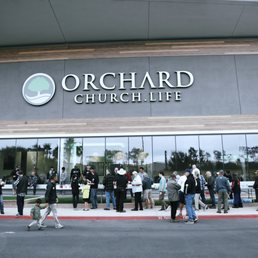
Ask the Community - Orchard Church
Does this church offer membership?
Yes! We have a Discover the Orchard about every 5 weeks to let you know what we believe, what our history is and where we think God is taking us in the future. It also will help you know what the pathway to serving at the church is and how you can…
Do you have a weekly Bible Study Class?
Yes, there are women's studies, men's studies and all comers studies. Most class run from 6-8 weeks that run throughout the year. These classes and Life Groups that also meet throughout the year are a great way to get connected and study together in…
Review Highlights - Orchard Church
















Why does Yelp recommend reviews?
35 reviews that are not currently recommended
The reviews below are not factored into the business's overall star rating.
1 year ago
2 years ago
2 months ago
7 years ago

1 year ago

8 years ago

8 years ago

8 years ago

8 years ago

8 years ago
7 years ago
10 years ago
10 years ago
1 year ago

8 years ago

8 years ago

10 years ago

3 years ago

10 years ago
10 years ago


