Lumpkin's Slave Jail Photos


More like Lumpkin's Slave Jail
Recommended Reviews - Lumpkin's Slave Jail
Start your review...



9 months ago
I read the novel, The Yellow Wife, and if you are a fan of historical fiction, I highly recommend it. The book is based on the story of Mary Lumpkin, an enslaved woman in Richmond, VA who went on to inherit the Lumpkin Jail and used the property to establish Virginia Union University. I was so moved by her story that I felt the need to visit this site. Much like my experience on the slave trail, I was unclear of what was a part of the site. I was a bit disappointed that I may have missed parts of the experience. read more
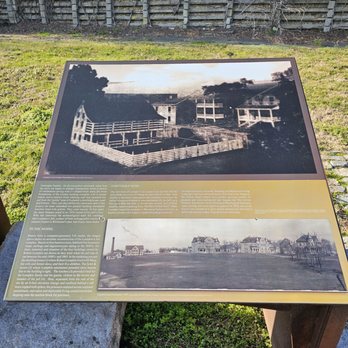


Easily located. Very heavy history. I think the city of Richmond can definitely do a better job at upkeep but that's neither here nor there. We already know anything as it relates to the history of slavery America tries to erase. This is a must see if you are in RVA to pay your respects. read more


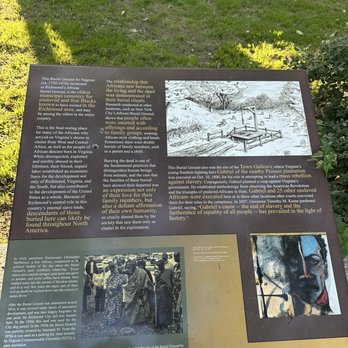
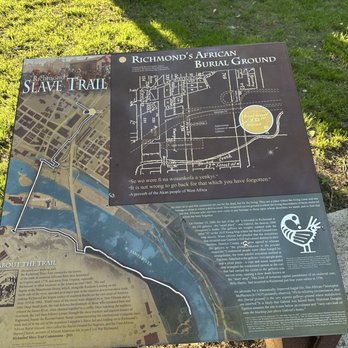


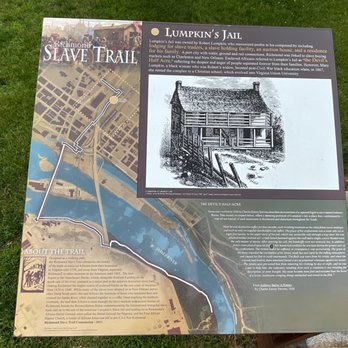
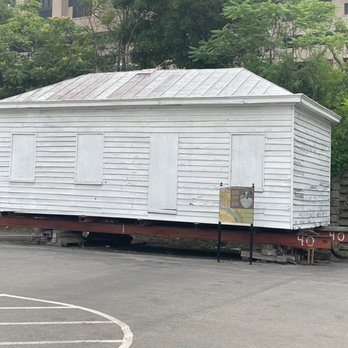
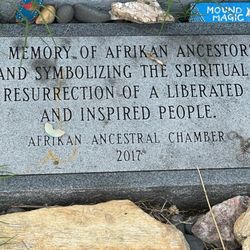
This spot can be easily missed. It is located off of a highway off ramp and on the Historic Slave Trail. This site is right next to Old Negro Burial Ground and you can move freely between the two by using an underpass. The site was also known as as "the Devil's half acre" and dates back to the 1830s to the Civil War. It consists of a fenced in area which is the actual site of where the jail was located. There is not much that remains of the jail The jail was managed by Robert Lumpkin, who was known for his cruelty and mistreatment of slaves. Ironically, he would eventually marry a light-skinned slave that he had purchased named Mary. An intentional excavation project in 2006 led not only to the discovery of the jail site, but also remarkably intact remains of the Jail complex, and over 16,000 artifacts. The buildings foundation was located under nearly 14 feet of earth. It was a 80- by 160-foot plot. This site is also where slaves were auctioned. The site is just off of a commercial parking lot, so parking here to check things out is very easy. After the Civil War, Lumpkin's wife and former slave, Mary turned the jail into Mary the site of the school that became Virginia Union University. That had to be awkward, but anyway. Also on the site is a white house on a trailer. It has nothing to do with the jail per se. It is called Winfree Cottage. and is the home of former slave Emily Winfree, and was part of the post slavery thriving African American community. This is a sobering site that should be given the upmost respect. It is definitely worth visiting and should not be forgotten. We need to remember history's good, bad and ugly. I recommend coupling a visit here with a visit to the Old Negro Burial Ground and other attractions to maximize your trip. read more





2 years ago


12 years ago
More info about Lumpkin's Slave Jail
Ask the Community - Lumpkin's Slave Jail












Why does Yelp recommend reviews?
1 review that is not currently recommended
The reviews below are not factored into the business's overall star rating.

5 years ago





