Lovejoy Columns Photos
More like Lovejoy Columns
Recommended Reviews - Lovejoy Columns
Start your review...



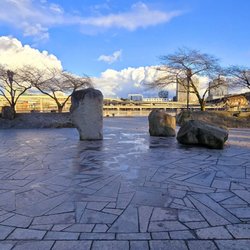
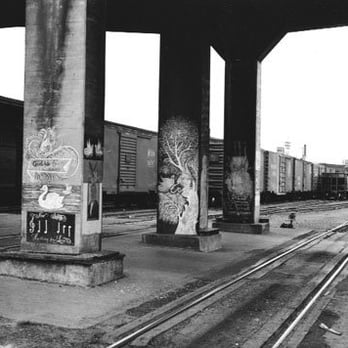
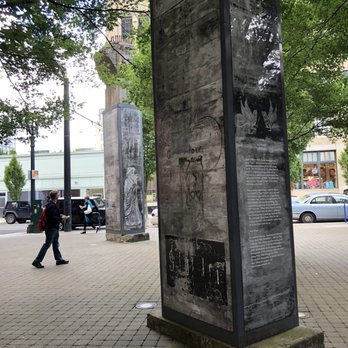
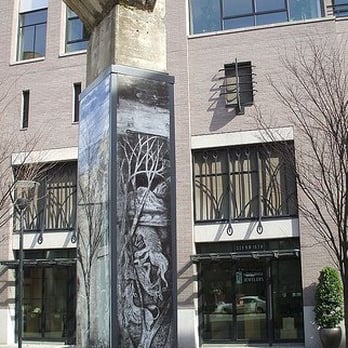
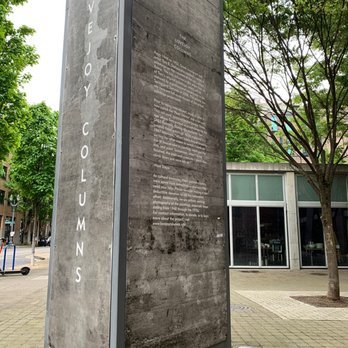
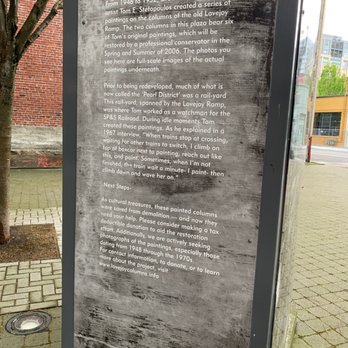
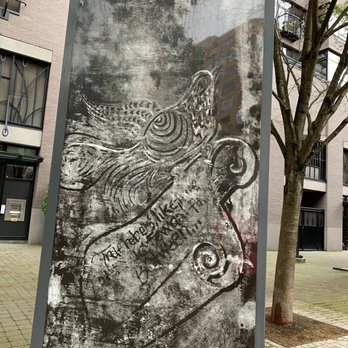
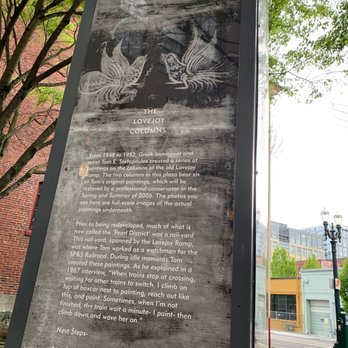
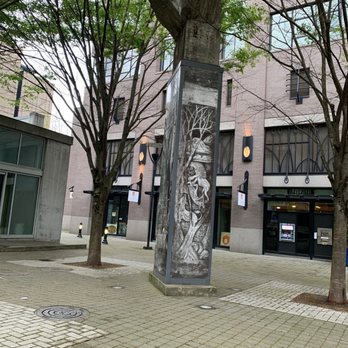
The Lovejoy Columns are an interesting little piece of Portland's history. There are many articles available if you want to read the full story of the columns. Once upon a time the Lovejoy Columns supported the Lovejoy Ramp which was a viaduct connecting NW 14th Ave and Lovejoy Street to the Broadway Bridge. This viaduct ran above railroad freight tracks in the area that is now known as the Pearl District. From 1948-1952 a Greek immigrant, who worked as a night watchman for the railroad, drew wonderful pictures on the columns in chalk and later painted them. When the viaduct was demolished in 1999 to make way for all the condos and businesses that make up the Pearl District, several of the original columns were saved and stored beneath the Fremont Bridge. Two of those original columns have been restored and relocated here. The columns are beautiful to behold and definitely worth visiting. read more
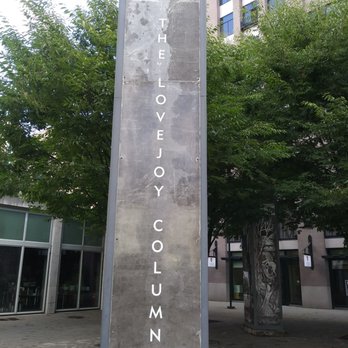

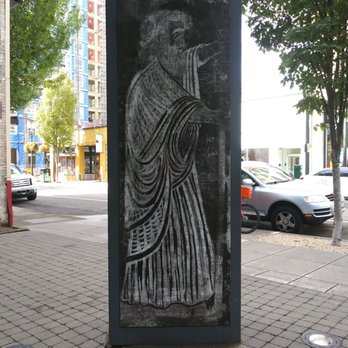
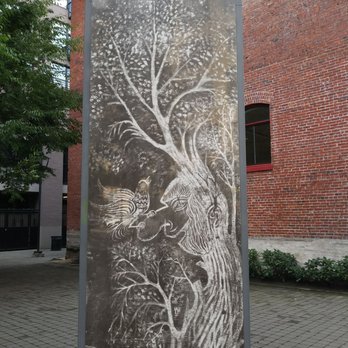


Everyone deserves to pursue their dreams. Carpe diem. Athanasios Efthimiou Stefopoulos is not a name that rolls off the tongue unless you're a cast member of "My Big Fat Greek Wedding" nor unfortunately is it a name you'll see in an art museum as much as he must have dreamed of that. Early in the last century, he was a railroad watchman who happened to be a talented, proto-graffiti artist. He went by the name Tom to his friends and painted the Broadway Bridge Lovejoy overpass columns with fanciful images of mythical gods and wild animals. Several endured over the years though most are in some abandoned lot awaiting funding for restoration. Two of them have been refurbished and placed in a courtyard on NW 10th Avenue near Everett. If you're walking into the Pearl District from the western part of the city, it's likely the first landmark you'll see. Check 'em out. RELATED - Going to Portland? Here are the places I visited and reviewed: bit.ly/2B0haJD read more
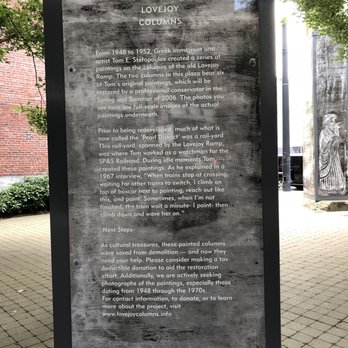

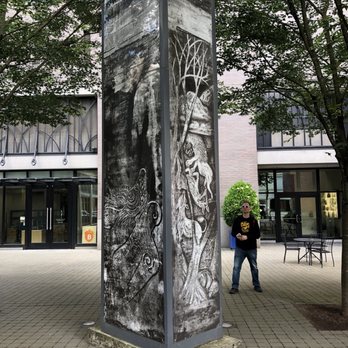


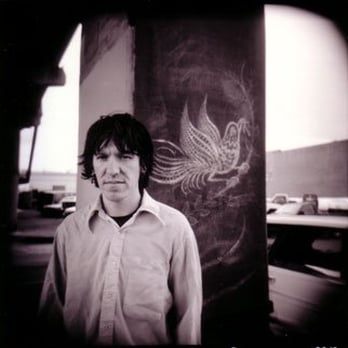
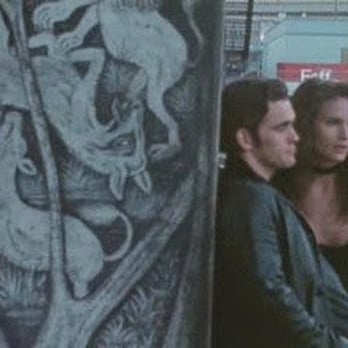
This is a little piece of Portland history. It's the work of architects, who usually are building things. Instead they saved them from being made into gravel. Yelp is expanding the scope of its reviews and this fits in with bridges (no longer here). Northwest Portland where the Pearl District is today had rail yards and warehouses. It was the part of town where no one bothered campers and artists rented studios where they could make a mess and make as much noise as they wanted without disturbing sleeping Portland. In particular the warehouses along 11th were notorious in a good way. Where NW Lovejoy joined the Broadway Bridge was a long viaduct over the railroad tracks, much longer than today's, extending to about NW 13th. Greek immigrant and folk artist Tom E. Stefopoulos worked in the yards as a night watchman. In his spare time, he drew with chalk and painted figures from Greek mythology on those bridge supports. In a way, he may have been Portland's first recorded street artist, working between 1940's and 1952. When the City decided to tear down the viaduct to build condos in late 1990's, a group of architects organized a project to preserve intact 10 of the columns with the least graffitied paintings. Two have been restored and stand in the courtyard at the address above. You can search around the Interwebs for more on the "Lovejoy Columns" which appear in the opening sequence of Drugstore Cowboy: http://www.youtube.com/watch?v=dtX03U-jt7A. They are also the background for a short film which Elliot Smith (1969-2003) did some songs for: https://www.youtube.com/watch?v=N1aLTnCja9Q in 1996. Or check https://web.archive.org/web/20120525222742/http://myweb.msoe.edu/~westr/pdxlovejoycolumns.htm for some pre-Pearl photos and the architect's story at http://www.metropolismag.com/html/content_0200/observed.html and http://jamesmharrison.com/work/info_lovejoy.html So I guess this is a review of a bridge that is gone, an artist who is gone, a music video by a musician who is gone, a local film - before the director gone great, railroads that are gone, artist spaces that are gone. But also of the symbol of all that, which is very much with us. read more

6 years ago
super pretty artwork The Lovejoy Columns, located in Portland, Oregon, United States, supported the Lovejoy Ramp, a viaduct that from 1927 to 1999 carried the western approach to the Broadway Bridge over the freight tracks in what is now the Pearl District. The columns were painted by Greek immigrant Tom Stefopoulos between 1948 and 1952. In 1999, the viaduct was demolished but the columns were spared due to the efforts of the architectural group Rigga. For the next five years, attempts to restore the columns were unsuccessful and they remained in storage beneath the Fremont Bridge. read more




12 years ago

12 years ago

9 years ago
14 years ago