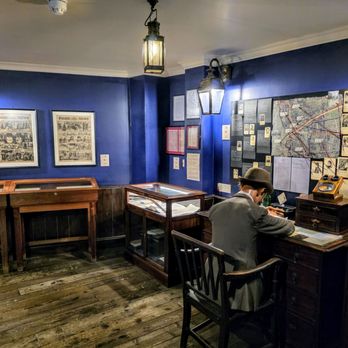
Jack The Ripper Museum Photos


Recommended Reviews - Jack The Ripper Museum
Start your review...


Reviews With Photos


Definitely come and check this museum out. Be ready to go back in time. Take some time to explore the creepy mortuary in the lower level and read about the victims of Jack the Ripper. Please be aware: the mortuary smells very weird and "off". (I can't really describe it.) This could be disturbing to those with a heightened sense of smell.


Really cool museum that gives a story like of the Jack the Ripper. It was like a Time Machine. Recommended.


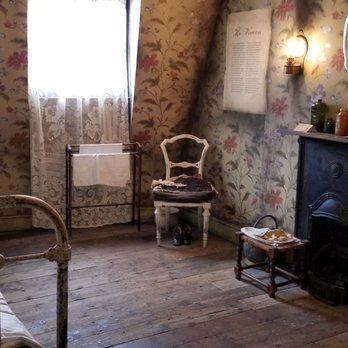
This was my girlfriend and I's first stop in London. It popped up for nearby attractions and with a basic knowledge of Jack the Ripper (thanks, Buzzfeed Unsolved!) we decided to check it out. I'm so glad we did! The museum is 5 floors in total, and you get the explore it at your own pace. You get to see a replica crime scene, Jack the Ripper's sitting room, among other scenes which have been recreated with love and attention to detail. The museum also pays tribute to the women in the attacks and the reality of life for poorer women in London at the time. Unlike many other crime museums and shows, Jack the Ripper is not glorified and his victims are not ignored. This was a lovely and very respectful touch to the museum. But don't worry, it's still plenty spooky if that's what you're looking for! The museum is also located near the morgue where some victims were taken and is not too far from where one of the women was murdered, so if you're in doing your own walking tour of Jack the Ripper sites, this is a great way to start before heading off.


My mother in law was interested in this, so we went to indulge her. If you're into this type of stuff, it was really good. My issue is that it smelled horrible in the building, on every floor and it was extremely crammed. Mi suegra estaba interesada en esto, así que fuimos a complacerla. Si te gustan este tipo de cosas, fue realmente bueno. Mi problema es que olía horrible en el edificio, en cada piso y estaba extremadamente pequeno. no habia mucho espacio.


Interesting museum, very atmospheric and informative. Friendly service at the front. Stumbled upon it on a day out and absolutely enjoyed it. They offer a walking tour as well. All around a fun experience.


A very small museum that you can easily miss if you don't notice it, but it's so informative and really well put together. The reconstructions and very surreal and it's was really interesting. The price itself the get into the museum isn't the bad actually and it's worthy the money, you not only get to see the facts the police have but also what the rooms of victims could have been like and it's just great.


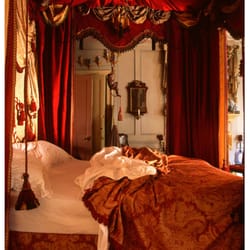
I waited for a while to write this review as I wanted to parse this experience a little more in my mind. In general, this place was reasonably well designed to tell the Jack the Ripper saga at a level for the casual observer. In other words, for those who want to learn the historical significance of the events on a basic level, it was perfect. I was afraid that it might be overly gimmicky and touristy. And there was some dramatic effect pervasive in the audio guide (extra cost), but it was not overdone. While the museum is housed in the Whitechapel neighborhood where the murders occurred, the structure itself has no documented connection to any of the homicides or murder suspects. The museum is well chosen, however, as it features five floors where they stage scenes relevant to the telling of the Ripper saga. The ground floor was informational, while the next level was set up as one of the first murder scenes where a victim was found. The second floor (third level) was staged as the apartment of one of the prime suspects Walter Sickert. There were actually a period overcoat and derby in that room to try on for a photo op. The third floor was set up to be a likeness of the police station with actual police artifacts from the investigator who was working the case. The top floor was constructed as a shanty apartment from one of the last victims. The basement (last in the tour on the recommended sequence) was a scene from the Ten Bells Tavern which seemed to be a seminal hunting location for the Ripper. The museum was well presented and the audio guide and displays presented the right amount of drama to tell the story without crossing the "hype" border. If you want to leave out most of the drama, you could forgo the audio guide. I thought it was a nice added dimension. But the artifacts and the signage by themselves give a very good basic history of the events associated with the Ripper. The backgrounds of the victims were quite interesting. Likewise fascinating were the identities and backgrounds of the lineup of suspects that had been pegged as possible culprits by various contemporaries as well as scholars and JtR buffs since that time. What particularly interested me was the status of Whitechapel within London's social environment at that time. It was clearly very different from the current standing of the community, which has really only changed in the past 20 or 30 years from what I could glean. This area was clearly rife to present opportunities for a psychopath like the Ripper to find his victims. These unfortunate women were victimized first by society and by their own poor choices before becoming ultimate victims for the Ripper. It was an intriguing dive into London's social history. Because of the iconic and enduring nature of the mystery behind these killings and its inextricable tie to the City of London, this museum is probably worth seeing if you have the time (and I emphasize the word "IF"). Given the number of worthwhile sights in London, I'd be hard pressed to urge most people to prioritize it. This was my fifth or sixth trip to London, and the third in which I've had my wife with me, so we were in a situation where we were on second tier sights, making this one easier to prioritize. We were also staying in Shoreditch. Hence, the proximity was working in our favor as the museum was walkable. On the other hand, if you are a crime buff or a mystery buff in addition to being interested in social and cultural history, you might elevate this sight to a must-see. It is done well enough to be both entertaining and informative. read more


2 years ago
I didn't take a lot of pictures of this great little museum because that would ruin it for those who like these types of places. Nice little souvenirs to take home. Museum takes you through the whole Jack the Ripper murders. Mind you it is a three story museum and more information in the basement. Lots to look at, and it brings you closer to what happened. read more


Definitely come and check this museum out. Be ready to go back in time. Take some time to explore the creepy mortuary in the lower level and read about the victims of Jack the Ripper. Please be aware: the mortuary smells very weird and "off". (I can't really describe it.) This could be disturbing to those with a heightened sense of smell. read more


3 years ago
Really cool museum that gives a story like of the Jack the Ripper. It was like a Time Machine. Recommended. read more


3 years ago

8 years ago
This was my girlfriend and I's first stop in London. It popped up for nearby attractions and with a basic knowledge of Jack the Ripper (thanks, Buzzfeed Unsolved!) we decided to check it out. I'm so glad we did! The museum is 5 floors in total, and you get the explore it at your own pace. You get to see a replica crime scene, Jack the Ripper's sitting room, among other scenes which have been recreated with love and attention to detail. The museum also pays tribute to the women in the attacks and the reality of life for poorer women in London at the time. Unlike many other crime museums and shows, Jack the Ripper is not glorified and his victims are not ignored. This was a lovely and very respectful touch to the museum. But don't worry, it's still plenty spooky if that's what you're looking for! The museum is also located near the morgue where some victims were taken and is not too far from where one of the women was murdered, so if you're in doing your own walking tour of Jack the Ripper sites, this is a great way to start before heading off. read more


8 years ago
My mother in law was interested in this, so we went to indulge her. If you're into this type of stuff, it was really good. My issue is that it smelled horrible in the building, on every floor and it was extremely crammed. Mi suegra estaba interesada en esto, así que fuimos a complacerla. Si te gustan este tipo de cosas, fue realmente bueno. Mi problema es que olía horrible en el edificio, en cada piso y estaba extremadamente pequeno. no habia mucho espacio. read more


7 years ago
Interesting museum, very atmospheric and informative. Friendly service at the front. Stumbled upon it on a day out and absolutely enjoyed it. They offer a walking tour as well. All around a fun experience. read more




7 years ago
A very small museum that you can easily miss if you don't notice it, but it's so informative and really well put together. The reconstructions and very surreal and it's was really interesting. The price itself the get into the museum isn't the bad actually and it's worthy the money, you not only get to see the facts the police have but also what the rooms of victims could have been like and it's just great. read more


8 years ago
My daughter found this museum randomly on google maps while she was trying to find Maedah Grill. Our family likes crime shows, and the Investigation Discovery channel, so we wanted to check this place out after lunch. We're so glad we did. I loved this museum and how everything was presented that made The Mystery of Jack The Ripper informative and fascinating. I also felt they paid respect to the victims. I read one (not recommended review) that stated this museum was misogynistic and victim shamed? I don't agree with that statement at all. They had to give information about the victims to show that Jack The Ripper had a particular type of victim and M.O. The museum itself is small and the tour a little short, but has a lot of information. The props and music definitely were macabre. This was different than the "typical" museum experience- which was a welcomed change for us all. The staff was helpful and answered all my questions. Check it out! read more


9 years ago

10 years ago

10 years ago

11 years ago
11 years ago

10 years ago
11 years ago
More info about Jack The Ripper Museum
Jack The Ripper Museum Reviews in Other Languages
Review Highlights - Jack The Ripper Museum
















Why does Yelp recommend reviews?
16 reviews that are not currently recommended
The reviews below are not factored into the business's overall star rating.
11 years ago

10 years ago
11 years ago
11 years ago
9 years ago
11 years ago
10 years ago
10 years ago

11 years ago

9 years ago

11 years ago
10 years ago

3 years ago
10 years ago
11 years ago

11 years ago


