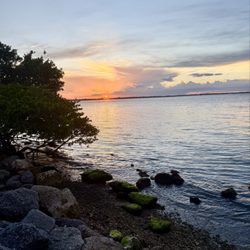
This huge preserve is 35 square miles. Admission is free. The preserve was created when the state…read moreof Florida bought up large tracts of land in 1995 to preserve the watershed to the St. Sebastian River and the Indian River Lagoon. In addition to protecting the water the land also protects rare and endangered species of plants and animals.
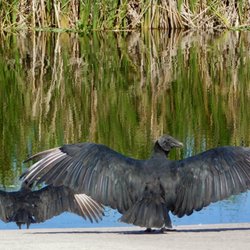
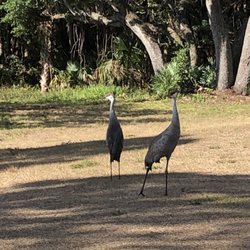
The preserve is made up of grassy forests and the long leaf pine that was common before the development of Florida. Here you will find the biological communities of cypress dome, scrubby flat woods, sand hills, and strand swamp. The preserve contains one of Florida's largest populations of scrub jays, a species listed as vulnerable. Many native plants and animals make their home here including over 50 protected species. Animals that can be found here include the red-cockaded woodpecker, Bachman's sparrow, Eastern indigo snakes, bald eagles, wild turkeys, river otters, bobcats, and tortoises. This preserve is part of the Great Florida Birding Trail.
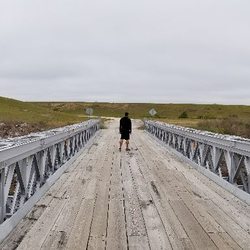
Travel in the preserve is along unpaved roads. There is a buffer road that runs along the C-54 canal. In November through March you can find manatees in the canal. There is a platform to view them at the end of the buffer road. The preserve is divided into quadrants by the Fellsmere Canal and by I-95. Each quadrant has long hiking trails. There are over 60 miles of hiking trails through 22,000 acres of wilderness. There is a visitor's center at the entrance that is staffed Friday through Sunday. You can hike, bike, or horseback ride the preserve. From this preserve you can canoe, boat, and fish the St. John's River. There are six primitive camp sites which can only be reached by hiking. Hiking trails include red, yellow, and blue and can be rough because they are also used by horses. Along some of the trails you can see the remains of homesteads from when the land was used for growing citrus, ranching, turpentining, and logging.
The preserve contains a portion of the rails to trails path, a hiking and biking trail along the abandoned Trans Florida Central Rail incorporated in 1924. The surface of the trail hasn't been decided on yet and there are few signs marking it.
As a sign in the park says this is the real Florida. Photographers, nature lovers, hikers, and equestrians will love exploring this vast open wilderness. Come see Florida the way Mother Nature intended.