Hamilton Disston Sugar Plantation Photos


More like Hamilton Disston Sugar Plantation
Recommended Reviews - Hamilton Disston Sugar Plantation
Start your review...



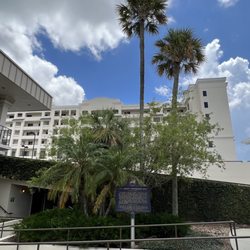
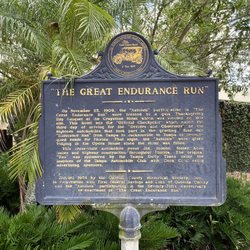
While exploring St. Cloud, I came across one of Florida's distinctive historic markers. These markers are part of the Florida Historical Marker Program, one of the Division of Historical Resources' most popular public history initiatives. They commemorate significant people, places, and events throughout the state and can be found along roadsides, at battlefields, cemeteries, churches, colleges, historic districts, schools, historic buildings, and archaeological sites. The Florida Historical Marker Program originally used green markers featuring the state seal before transitioning to the current blue design with the Florida Heritage emblem, which were easier to read and repair. If you find a green marker you know that they are older and were from the early days of the program Marker F-95 was installed in 1963 by Florida Board of Parks and Historic Memorials. This marker commemorates Hamilton Disston, a name that is largely forgotten today despite his enormous influence. Born in Philadelphia in 1844, Disston inherited and expanded his family's saw manufacturing company into one of the largest in the world before moving to Florida. In 1881, he made what was then the largest private land purchase in American history, buying four million acres of Florida for just 25 cents an acre. His purchase rescued the state's financially troubled Internal Improvement Fund, restored investor confidence, and ultimately paved the way for railroad magnates Henry Flagler and Henry Plant to extend rail service throughout Florida. Disston believed that Florida's reclaimed wetlands could become rich agricultural land. He launched ambitious canal and drainage projects around Lake Okeechobee and the Kissimmee River. His efforts helped establish the communities of Kissimmee, St. Cloud, Tarpon Springs, and Gulfport while also contributing to the growth of St. Petersburg. In 1885, Disston established an experimental sugar plantation on the newly drained land outside present day St. Cloud. The plantation thrived for several years and even operated its own sugar cane mill. However, when the federal bounty on domestic sugar was repealed, the operation was no longer profitable. The machinery was eventually sold for scrap, and large scale sugar production in Florida was abandoned for decades. Today, only a few weathered brick ruins remain but they make a great spot for a phot shoot. They also mark the birthplace of St. Cloud and serve as a reminder of one of the most ambitious development projects in Florida's history. Although Hamilton Disston's Florida ventures ultimately failed financially, his vision and investment transformed the state by encouraging settlement, expanding transportation, and laying the foundation for the Florida we know today. This marker tells the story of a man whose name many have forgotten but whose influence can still be seen across much of Central Florida today. read more