HALIM TIME & GLASS MUSEUM · YELP ASSISTANT
Ask Yelp Assistant
Halim Time & Glass Museum Photos


You might also consider


More like Halim Time & Glass Museum
Recommended Reviews - Halim Time & Glass Museum
Start your review...


Reviews With Photos


My husband and I recently held our 130 person wedding at this incredible museum. I can easily say that picking this venue was one of the best decisions we've ever made! From start to finish, the process was a true delight! Paulette, the venue coordinator, and her associate Theodore were both delightful to work with. I was continually impressed by their responsiveness and professionalism. If you've looked at the online photos, then you already know that the venue itself is stunning. We held our ceremony on the roof, and the reception in the gorgeous Wisteria Room. On the day of, every member of the staff, from the elevator attendants, to the servers, blew me away with exceptional service. Many of my guests and family members commented on how impressed they were with all the staff as well- the professionalism, attention to detail, competence, friendliness- exceeded all expectations. The food received rave reviews, and the cake, from Alliance Bakery, was divine. Brides, this venue has it all- incredible beauty, Chivari chairs, gorgeous linens, wonderful food/beverage packages, and fantastic, professional staff. Thank you so much, Halim Museum!!! You truly helped make our wedding vision come to life! We will be forever grateful!


A neat little museum hidden in Evanston, IL, celebrating American stained glass windows and the history of clocks and timepieces. It seems expensive, but it is a unique boutique offering.
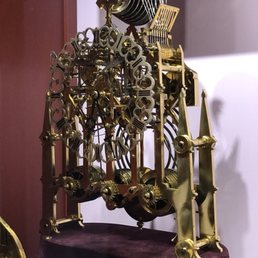

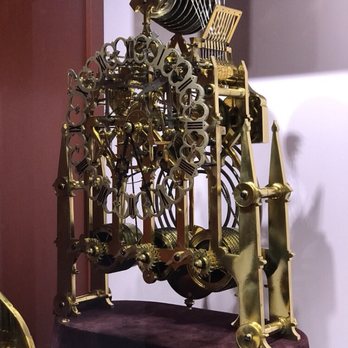
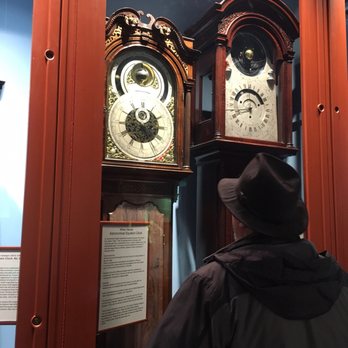
Wonderful addition to Evanston and Chicagoland. Learned more than I would have imagined about stained glass techniques while enjoying its impressive collection. Thank goodness places like this exist to preserve these works. The clock section of the museum is where it really shines, with an unbelievable collection of grandfather clocks, mantle clocks and everything else related to time keeping, divided up by country of origin. The clocks aren't wound or in action but many of them have cool videos with details and show the clocks moving. The Tiffany room was great too. I had no idea that they created such a variety of works. The mosaics in particular were really surprising. I didn't visit the restaurant downstairs, which apparently contains more works. Complaints? They need to turn down the temp on the second floor and it would have been nice if the main stained glass area had been left a little more open, particularly as the building was built for the collection. Expect to spend at least 2 hours there. I highly recommend it.


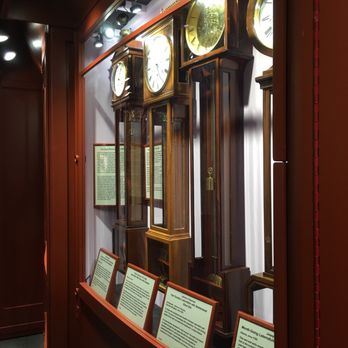
Great collection of clocks! Would have loved a few videos explaining how they were made and repaired, but really worth the visit as it is. I'm sure we will go back again as things change over time (forgive the pun)


7 years ago

1 year ago

3 years ago

3 years ago

My husband and I recently held our 130 person wedding at this incredible museum. I can easily say that picking this venue was one of the best decisions we've ever made! From start to finish, the process was a true delight! Paulette, the venue coordinator, and her associate Theodore were both delightful to work with. I was continually impressed by their responsiveness and professionalism. If you've looked at the online photos, then you already know that the venue itself is stunning. We held our ceremony on the roof, and the reception in the gorgeous Wisteria Room. On the day of, every member of the staff, from the elevator attendants, to the servers, blew me away with exceptional service. Many of my guests and family members commented on how impressed they were with all the staff as well- the professionalism, attention to detail, competence, friendliness- exceeded all expectations. The food received rave reviews, and the cake, from Alliance Bakery, was divine. Brides, this venue has it all- incredible beauty, Chivari chairs, gorgeous linens, wonderful food/beverage packages, and fantastic, professional staff. Thank you so much, Halim Museum!!! You truly helped make our wedding vision come to life! We will be forever grateful! read more


9 years ago
Wonderful addition to Evanston and Chicagoland. Learned more than I would have imagined about stained glass techniques while enjoying its impressive collection. Thank goodness places like this exist to preserve these works. The clock section of the museum is where it really shines, with an unbelievable collection of grandfather clocks, mantle clocks and everything else related to time keeping, divided up by country of origin. The clocks aren't wound or in action but many of them have cool videos with details and show the clocks moving. The Tiffany room was great too. I had no idea that they created such a variety of works. The mosaics in particular were really surprising. I didn't visit the restaurant downstairs, which apparently contains more works. Complaints? They need to turn down the temp on the second floor and it would have been nice if the main stained glass area had been left a little more open, particularly as the building was built for the collection. Expect to spend at least 2 hours there. I highly recommend it. read more


8 years ago
Great collection of clocks! Would have loved a few videos explaining how they were made and repaired, but really worth the visit as it is. I'm sure we will go back again as things change over time (forgive the pun) read more






7 years ago
7 years ago
I went as a museum visitor to the private collection that is open to the public. Others may be reviewing the upper floor that is available for luncheons or weddings, so reviews can be confusing to understand. The time collection is really the star of this museum, with incredible timepieces and automatons going back centuries. Extremely detailed and interesting narratives make this approachable for those walking in with little background. Videos show the items actually moving, and the Chinese room is especially delightful. Good for adults and older children, not suitable for toddlers or young primary grades. read more

8 years ago

7 years ago

9 years ago
9 years ago
5 years ago
8 years ago
5 years ago
9 years ago

8 years ago
6 years ago

9 years ago
7 years ago
8 years ago
8 years ago
8 years ago
7 years ago
8 years ago
8 years ago
More info about Halim Time & Glass Museum
1560 Oak Ave
Evanston, IL 60201
Directions
(224) 714-5600
Call Now
Visit Website
http://www.halimmuseum.org
Hours
Services
Other Amenities
From the Business