
Golf Mill Shopping Center Photos



You might also consider


More like Golf Mill Shopping Center
Recommended Reviews - Golf Mill Shopping Center
Start your review...


Reviews With Photos
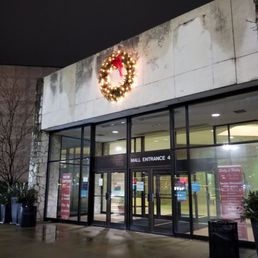

** Convenient ** ** Clean ** ** Ghost Town ** It is truly unfortunate. Many I'm sure have said this, the death of the mall is a total bummer. If it wasn't for the few select stores (Target, Burlington) and theater anchoring it, this place would be bordered up. The likes of Chick fil a gives this place hope. Speaking of hope, there is talk of renovations which is exciting. I look forward to seeing what great things Golf Mill has in store for us. The space is massive on such busy intersections, it's worth doing something amazing!


Golf Mill hasnt been the same since my high school days. It's totally dead now full of silly 2nd generation milenials with nothing better to do. At least when I had hung at the mall kids were kids.....not in 2019. I just came out to burn off time before going to work tonight and it's like blah..... disappointed in this mall. Management needs to step up to get anchor stores to move in to draw crowds. At this point shopping malls are a thing of the past and you can sit home asking Suri or Alexa to order everything from pizza to a movie on Netflix. I'm just not feeling this place since half the stores I used to frequent are either getting ready to close or already closed and their spot sitting empty for a new tenant. It's a sad sight seriously.

2 years ago
Not a shithole cool Pokémon store Fun Nice amc I like the target Also has joyride Cheap Pokémon Nice bus service read more


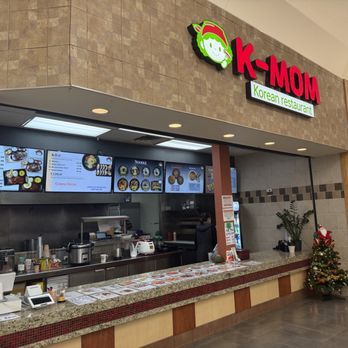
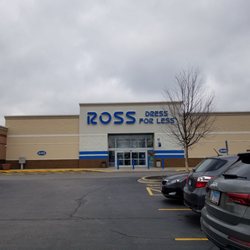
We returned to do what we normally come here to do, that is, mall walk in inclement weather. I give 'em 1.49 stars for being a pretty good venue for such, but that's about it. Not much has changed from our last visit, except they are down to one food court restaurant, and it is a new merchant, K-Mom. Best of luck to them. There are still about 10 other merchants in the mall itself. AMC Cinema, JC Penney's, Ross for Less, and Ulta are still active. They're hanging tough! read more



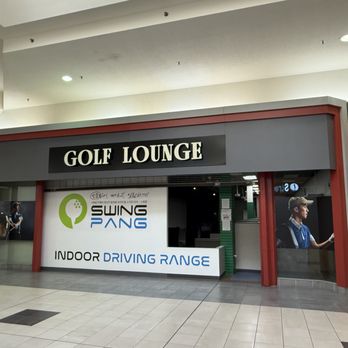


** Convenient ** ** Clean ** ** Ghost Town ** It is truly unfortunate. Many I'm sure have said this, the death of the mall is a total bummer. If it wasn't for the few select stores (Target, Burlington) and theater anchoring it, this place would be bordered up. The likes of Chick fil a gives this place hope. Speaking of hope, there is talk of renovations which is exciting. I look forward to seeing what great things Golf Mill has in store for us. The space is massive on such busy intersections, it's worth doing something amazing! read more


3 years ago

2 years ago

4 years ago

8 years ago

4 years ago

4 years ago

3 years ago

5 years ago

7 years ago
Golf Mill hasnt been the same since my high school days. It's totally dead now full of silly 2nd generation milenials with nothing better to do. At least when I had hung at the mall kids were kids.....not in 2019. I just came out to burn off time before going to work tonight and it's like blah..... disappointed in this mall. Management needs to step up to get anchor stores to move in to draw crowds. At this point shopping malls are a thing of the past and you can sit home asking Suri or Alexa to order everything from pizza to a movie on Netflix. I'm just not feeling this place since half the stores I used to frequent are either getting ready to close or already closed and their spot sitting empty for a new tenant. It's a sad sight seriously. read more


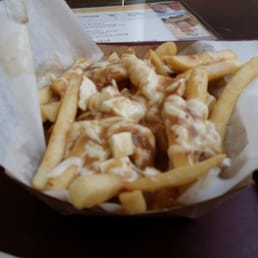
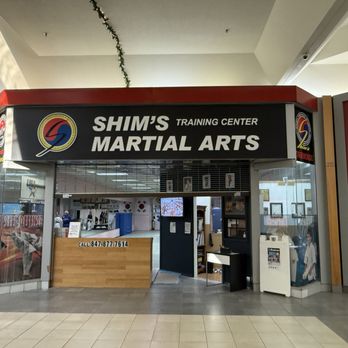
This review is mostly about the Poutee restaurant inside the mall that serves Poutine, but I'll make a few comments about the mall. The mall itself is rather lackluster and not as busy as a mall should be. Most stores and kiosks are boring and full of crap nobody buys (I think they have an entire store devoted to jeggings...seriously an entire store devoted to jeggings.) The food court is full of weirdos that stare at me as I walk around, mostly old folks lounging around, the occasional young couple, Jehovah witnesses having bible study and a class of kids that go here when they get out of karate. Definitely not your standard mall fare. After work I've been trying the restaurants in here while I wait for the bus. One of which was "Poutee", a restaurant devoted to poutine, a Canadian favorite of french fries covered in gravy, cheese curds and beef. Coincidentally I had been looking for restaurants in Chicago lately that serve this delectable sounding dish, but there weren't any close to my area. The lady at the register was friendly and we chatted a bit, she said she loved my watch. I ordered a large "poutee" and a soda. It took about 10 minutes for my order to be ready since she made it fresh. I was a bit hesitant while waiting since I'm not a real big an of cheese and I didn't know what kind of curds they were going to use. Finally my food comes out and to my delight it was mozzarella cheese curds, perfectly melted with the hot, fresh out the fryer fries. Everything tasted fantastic, the gravy especially. My only regret was not grabbing a spoon since there was a lot of gravy left after the devouring of the fries was over with. The mix of flavors was great especially the beef, cheese, and fries. I definitely look forward to trying it out again one day. read more


8 years ago
3 years ago

8 years ago

3 years ago


8 years ago

9 years ago

9 years ago
This mall has just been getting more worse over time .... the stores that are in here are like somewhere in the foreign areas in Chicago . This mall doesn't even have popular brands for women's clothes besides express everything else is for other ethnic background , nothing wrong with that but just mentioned this mall to my teenagers they complained and almost cried from embarrassment of NOt IN STYLE, NOtHInG IS COOL HERe they rather drop dead than to be here ! Even McDonald's is gone ! But tbh the only way I come is eyebrow threading in the center of the mall and Santa for the holidays !!! Come on Golf mill do some upgrades and The new Ulta isn't cutting it because half the food court is gone over this new Ulta being built here inside a mall???!! Just weird to all of us and others too. Oh and I just noticed no one has reviewed this place since 2014 so yeah that's sad Buisness here . read more


13 years ago


16 years ago


8 years ago

14 years ago

This mall has degraded over the years. Used to be mcdonalds and tacobell in the food court now they are gone and 80% of the stores were not open at 11am on this Saturday morning. It is like walking through a ghost town. The food court food selections is an embarrassment to what a mall is supposed to be. I only come here because of my business related work...otherwise I wouldnt be setting a foot in here. I was here last week and Panda express didnt have the signature crab rangoons before that sbarros wasnt even serving pizza or calzones with no explaination why as I was sitting I watched the oven get worked on. Would be nice to give people written notice . The last few times I have been here the Le Pita place has been closed. Its not shuttered up yet maybe they dont want diners to stop coming here completely. The sarku japan place is horrible with customer service. They give us glaring stares . The people in the mall are not the best either. read more


6 years ago

16 years ago

7 years ago


Page 1 of 4
More info about Golf Mill Shopping Center
239 Golf Mill Ctr
Niles, IL 60714
Directions
(847) 699-1070
Call Now
Visit Website
http://www.golfmill.com
Hours
Outdoor Amenities
Other Amenities
Ask the Community - Golf Mill Shopping Center
Review Highlights - Golf Mill Shopping Center
You might also consider




















Why does Yelp recommend reviews?
21 reviews that are not currently recommended
The reviews below are not factored into the business's overall star rating.

12 years ago

17 years ago
17 years ago
15 years ago

15 years ago
15 years ago

19 years ago

13 years ago
14 years ago

8 years ago
8 years ago

11 years ago

16 years ago

4 years ago
7 years ago


15 years ago
1 year ago
15 years ago





