Glendalough Monastic Site Photos


Recommended Reviews - Glendalough Monastic Site
Start your review...


Reviews With Photos


I was fortunate to have a long layover in Dublin and seized the opportunity to embark on a magical day trip with my friends to the enchanting destinations of Kilkenny, Wicklow, and Glendalough. As we ventured into the stunning landscapes of Glendalough, were instantly captivated by its mystical aura and breathtaking beauty. Glendalough, meaning "Valley of Two Lakes," is nestled in the Wicklow Mountains National Park and renowned for its captivating history and awe-inspiring scenery. With the mild weather adding a touch of intensity to our adventure, we couldn't help but immerse ourselves in this captivating place. It was one of Ireland's most important monastic sites. founded by St. Kevin in the 6th century, became a beacon of, spirituality, and artistic expression. It's no wonder this place still carries an air of spiritual tranquility today. Also, legend has it that Glendalough is home to fairies, and it's believed that they reside within the peaceful glens, revealing themselves to those with a pure heart and a keen eye. Our day trip to Glendalough proved to be an unforgettable experience, leaving us in awe of the sheer wonder and historical significance of this hidden gem. With hearts full of enchantment and memories, we bid farewell to this place, knowing that its allure would forever remain etched in our souls.
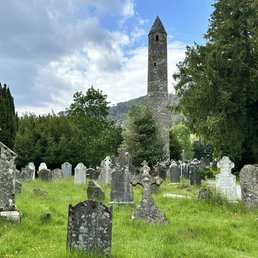

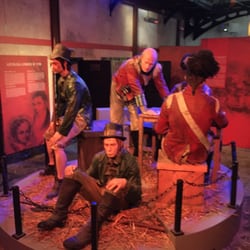
Dating back to the 6th century and getting destroyed in the late 1300s, the Glendalough Monastic Site is one of the highlights of a visit to the Wicklow mountains south of Dublin. While much of what is left standing is ruins and graves, the beauty and serenity of the surroundings are really a treat. The hike out to the lake beyond the monastic site is extremely rewarding, as it's a picturesque area that has been used in many films (the backdrop in the wedding scene of the film "Leap Year" is just one that I easily recognized while watching). While I had hiked out to the lake on a previous visit, I did not go this time as it was a bit chilly and overcast, and was happy snapping away pictures of the monastic site when the sun decided to make some brief appearances. I would recommend that you skip the visitors center as there really isn't much inside, and isn't worth the prices of admission, as the exhibits just weren't all that interesting (I went through it just a few minutes and was left unimpressed). Your experience would best be enhanced having a tour guide given you some context and history of the grounds. If the weather is nice, you'll likely enjoy visiting Glendalough Monastic Site.


My friend and I visited Glendalough on a day tour from Dublin, and it was one of the highlights of the trip for me! Glendalough was an Early Medieval monastic settlement, founded by St. Kevin in the 6th century. The monastic city was an important one in early Irish history but was destroyed by English forces in 1398. The ruins remain, including the double arch gateway, Round Tower, St. Peter and St. Pauls' Cathedral, and St. Kevin's Church (or "Kitchen"), as well as a cemetery. If that's all there was to the site, it would be well worth a visit. But a short walk from the ruins is a breathtaking view of Glendalough's Upper Lake. It was absolutely stunning on the fall day we visited. The site also has food options (both near the monastic city ruins and near the Upper Lake). I had a cappuccino at the coffee cart and got a sandwich to go from the cafe (cheddar and red onion). There were nice bathroom facilities as well. Glendalough was incredible. What history, what views. Definitely worth a visit from Dublin if you have the time.


Glendalough is home to one of the most important monastic sites in Ireland. This early Christian monastic settlement was founded by St. Kevin in the 6th century and from this developed the "Monastic City". Most of the buildings that survive today date from the 10th through 12th centuries. Great walking trails and historical sites dot this landscape. Well worth spending a day walking around the area.


The beauty here is undeniable, and if you're here on a tour, the tales of woe, and circumstance are bound to leave a lasting impression. I however was honestly not paying attention to what was being said as the scenic beauty had engulfed pretty much all of my senses. This stop was part of a Wicklow mountain tour we had signed up for and while the actual monastic site is very impressive and has a whole lot of history, it's the trail leading to the lake that I enjoyed best. A word of caution for those who are not use to high altitudes or hiking, you'll definitely feel it here. I'd say that if you are not use to doing a lot of walking or high altitudes maybe just hang out at the small cafe that's not far from the monastic site.
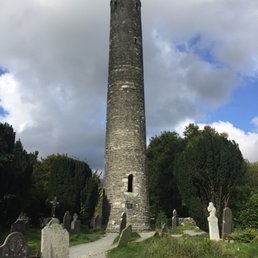

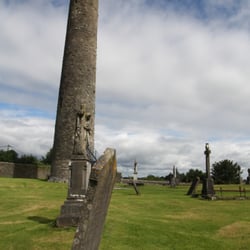
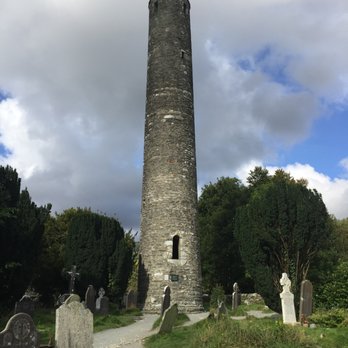
It was a beautiful spot in a beautiful country, but Jamie W. and I were close to comatose, dead men walking when we finally arrived in Ireland. We had the brazen notion of taking an overnight flight to Dublin, picking up our rental car, and then driving over two hours on winding country roads through County Wicklow in order to take a long look after which we had to drive another two hours to Kilkenny where we immediately crashed at our hotel. Just who made up that ridiculous itinerary? I'm looking at you, Jamie. Good thing it was a worthwhile historical sight with stunning vistas en route (photo: http://bit.ly/2lpqsna) thanks to Rick Steves' endorsement on one of his many episodes touring Ireland. Set against the Wicklow Mountains, Glendalough turns out to be one of the most important monastic sites in Ireland, an early Christian settlement founded by St. Kevin back in the 6th century. Most of the ruins there date from the 10th through 12th centuries, and you can see why St. Kevin chose the spot as the valley is gorgeous. We first walked around a manicured lawn from the helpful visitors center (photo: http://bit.ly/2l2eI8Z). Once we crossed a picturesque stream, we headed due right to the Monastic City where most of the ruins are next to the Lower Lake (photo: http://bit.ly/2kTxe2n). The first building we saw was St. Kevin's Church, which almost looked like it has survived intact (photo: http://bit.ly/2lgWcwh). The inside, however, tells a different story. The Round Tower is the most dominant sight since it rises thirty meters high (photo: http://bit.ly/2mgLcwF). The largest building is the Cathedral of which only the walls are left standing (photo: http://bit.ly/2l24w0m). Beyond those structures are a number of tombstones to be found with some towering over us and leaning toward each other making rather eerie passageways (photo: http://bit.ly/2lpaKbF). Truth be told, we didn't have enough energy to make it to the Upper Lake as we wanted to make it to Kilkenny before dark. Regardless, this is a must-stop to get a glimpse of the age of saints and scholars when the rest of Europe was in the Dark Ages.


It's certainly beautiful and worth a visit, try and get there early enough to avoid the crowds and impatient tourists. You'll need cash for the parking.


This place is so peaceful that is obvious why Kevin used it to build the monastery. The ruins are beautiful but not in such a good shape. Come with hiking shoes if you like that stuff (I don't. All that healthy air makes me sick haha)


1 year ago
St Kevin, patron Saint of Dublin and.......blackbirds. Love it! St Kevin had his monastery here in the 6th century and it's still beautiful today, 15 centuries later. We decided to go here towards the end of our Christmas Dublin trip and I'm so glad we did. My wife and I took a very early chartered tour bus out of Dublin. Glendalough is about 90 minutes away. The scenic drive to this historic site was well worth the 30-40 bucks we spent on the bus ride. I couldn't wait to explore this area. I only wish we had more time. The weather was perfect to tour the ruins. Cold, damp and dreary. The ruins and abbot cemetery were epic. We took a beautiful trail to the upper lake and back. Definitely an incredibly memorable experience. I want to go back and spend more time here for sure. read more


Inside the Park, is the Glendalough Monastery. Founded by St. Kevin in the 6th century, this monastic settlement flourished for centuries and remains a place of spiritual and historical significance. You can walk amongst the settlement and cemetery. The Upper and Lower Lakes, are here in this glacial valley. The hike around these lakes is an enchanting experience. We hiked both lakes. The water's surface acts like a giant mirror, reflecting the surrounding mountains. Awesome. Come get your calmness and peace from nature here. Again, this is very close to Dublin so easy for a 1/2 day or day trip. read more


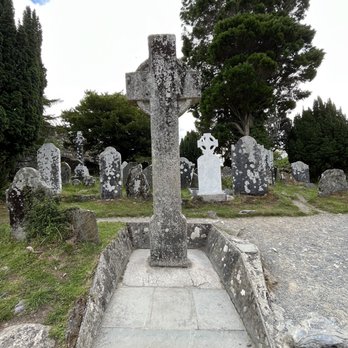
Glendalough was one of the highlights of our Ireland trip earlier this year. We arrived on a misty summer afternoon around 4 pm and parked (€5 cash) in the car park. Skipping the expensive and unnecessary "museum" we headed straight to the monastic site, which was packed with tourists. We could not enjoy the experience, nor could we take any pictures without someone unintentionally photo-bombing us! So my wife suggested we walk up to the lower lake instead. We could take pictures and wander serenely around the monastic site on our way back! Like most ideas originating in her quietly brilliant and pragmatic mind, this was a wonderful one. When we returned after a refreshing hour on the lakeshore, the tourists had vanished! We were all alone, able to linger among the tombstones, the Round Tower, the Cathedral, the Priest's House and other buildings at the site. I even had ample time to put my short arms around St. Kevin's Cross in a couple of different configurations till I got my fingertips to touch. This site is magical - we will be back! read more




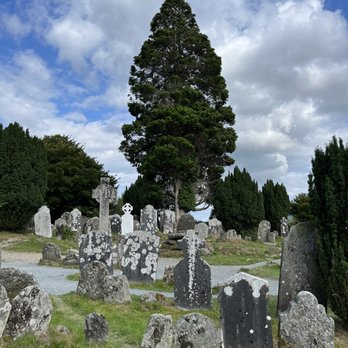


3 years ago
I was fortunate to have a long layover in Dublin and seized the opportunity to embark on a magical day trip with my friends to the enchanting destinations of Kilkenny, Wicklow, and Glendalough. As we ventured into the stunning landscapes of Glendalough, were instantly captivated by its mystical aura and breathtaking beauty. Glendalough, meaning "Valley of Two Lakes," is nestled in the Wicklow Mountains National Park and renowned for its captivating history and awe-inspiring scenery. With the mild weather adding a touch of intensity to our adventure, we couldn't help but immerse ourselves in this captivating place. It was one of Ireland's most important monastic sites. founded by St. Kevin in the 6th century, became a beacon of, spirituality, and artistic expression. It's no wonder this place still carries an air of spiritual tranquility today. Also, legend has it that Glendalough is home to fairies, and it's believed that they reside within the peaceful glens, revealing themselves to those with a pure heart and a keen eye. Our day trip to Glendalough proved to be an unforgettable experience, leaving us in awe of the sheer wonder and historical significance of this hidden gem. With hearts full of enchantment and memories, we bid farewell to this place, knowing that its allure would forever remain etched in our souls. read more


Dating back to the 6th century and getting destroyed in the late 1300s, the Glendalough Monastic Site is one of the highlights of a visit to the Wicklow mountains south of Dublin. While much of what is left standing is ruins and graves, the beauty and serenity of the surroundings are really a treat. The hike out to the lake beyond the monastic site is extremely rewarding, as it's a picturesque area that has been used in many films (the backdrop in the wedding scene of the film "Leap Year" is just one that I easily recognized while watching). While I had hiked out to the lake on a previous visit, I did not go this time as it was a bit chilly and overcast, and was happy snapping away pictures of the monastic site when the sun decided to make some brief appearances. I would recommend that you skip the visitors center as there really isn't much inside, and isn't worth the prices of admission, as the exhibits just weren't all that interesting (I went through it just a few minutes and was left unimpressed). Your experience would best be enhanced having a tour guide given you some context and history of the grounds. If the weather is nice, you'll likely enjoy visiting Glendalough Monastic Site. read more
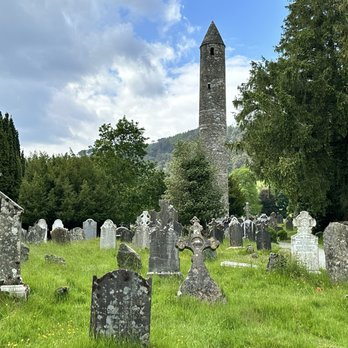
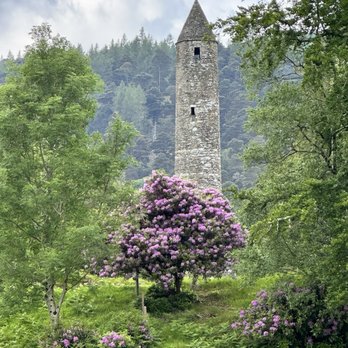
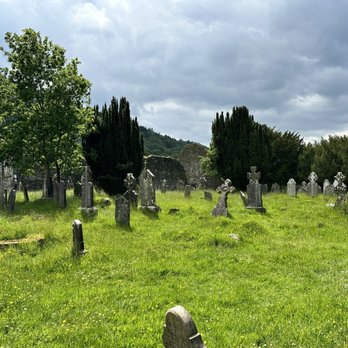


My friend and I visited Glendalough on a day tour from Dublin, and it was one of the highlights of the trip for me! Glendalough was an Early Medieval monastic settlement, founded by St. Kevin in the 6th century. The monastic city was an important one in early Irish history but was destroyed by English forces in 1398. The ruins remain, including the double arch gateway, Round Tower, St. Peter and St. Pauls' Cathedral, and St. Kevin's Church (or "Kitchen"), as well as a cemetery. If that's all there was to the site, it would be well worth a visit. But a short walk from the ruins is a breathtaking view of Glendalough's Upper Lake. It was absolutely stunning on the fall day we visited. The site also has food options (both near the monastic city ruins and near the Upper Lake). I had a cappuccino at the coffee cart and got a sandwich to go from the cafe (cheddar and red onion). There were nice bathroom facilities as well. Glendalough was incredible. What history, what views. Definitely worth a visit from Dublin if you have the time. read more


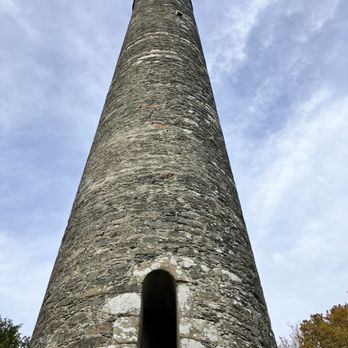


Glendalough is home to one of the most important monastic sites in Ireland. This early Christian monastic settlement was founded by St. Kevin in the 6th century and from this developed the "Monastic City". Most of the buildings that survive today date from the 10th through 12th centuries. Great walking trails and historical sites dot this landscape. Well worth spending a day walking around the area. read more


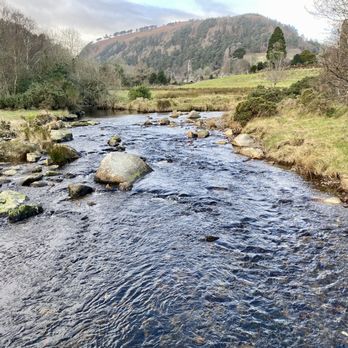

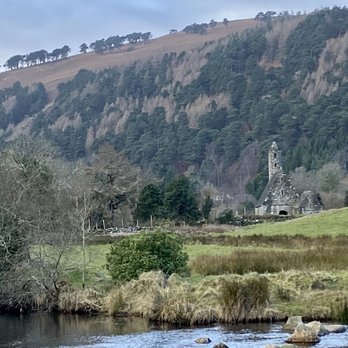


The beauty here is undeniable, and if you're here on a tour, the tales of woe, and circumstance are bound to leave a lasting impression. I however was honestly not paying attention to what was being said as the scenic beauty had engulfed pretty much all of my senses. This stop was part of a Wicklow mountain tour we had signed up for and while the actual monastic site is very impressive and has a whole lot of history, it's the trail leading to the lake that I enjoyed best. A word of caution for those who are not use to high altitudes or hiking, you'll definitely feel it here. I'd say that if you are not use to doing a lot of walking or high altitudes maybe just hang out at the small cafe that's not far from the monastic site. read more


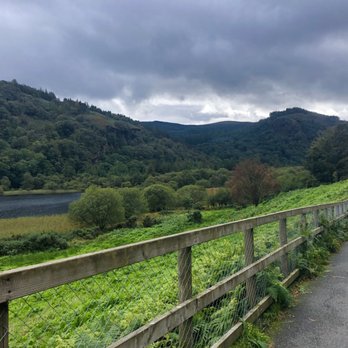


It was a beautiful spot in a beautiful country, but Jamie W. and I were close to comatose, dead men walking when we finally arrived in Ireland. We had the brazen notion of taking an overnight flight to Dublin, picking up our rental car, and then driving over two hours on winding country roads through County Wicklow in order to take a long look after which we had to drive another two hours to Kilkenny where we immediately crashed at our hotel. Just who made up that ridiculous itinerary? I'm looking at you, Jamie. Good thing it was a worthwhile historical sight with stunning vistas en route (photo: http://bit.ly/2lpqsna) thanks to Rick Steves' endorsement on one of his many episodes touring Ireland. Set against the Wicklow Mountains, Glendalough turns out to be one of the most important monastic sites in Ireland, an early Christian settlement founded by St. Kevin back in the 6th century. Most of the ruins there date from the 10th through 12th centuries, and you can see why St. Kevin chose the spot as the valley is gorgeous. We first walked around a manicured lawn from the helpful visitors center (photo: http://bit.ly/2l2eI8Z). Once we crossed a picturesque stream, we headed due right to the Monastic City where most of the ruins are next to the Lower Lake (photo: http://bit.ly/2kTxe2n). The first building we saw was St. Kevin's Church, which almost looked like it has survived intact (photo: http://bit.ly/2lgWcwh). The inside, however, tells a different story. The Round Tower is the most dominant sight since it rises thirty meters high (photo: http://bit.ly/2mgLcwF). The largest building is the Cathedral of which only the walls are left standing (photo: http://bit.ly/2l24w0m). Beyond those structures are a number of tombstones to be found with some towering over us and leaning toward each other making rather eerie passageways (photo: http://bit.ly/2lpaKbF). Truth be told, we didn't have enough energy to make it to the Upper Lake as we wanted to make it to Kilkenny before dark. Regardless, this is a must-stop to get a glimpse of the age of saints and scholars when the rest of Europe was in the Dark Ages. read more


7 years ago
It's certainly beautiful and worth a visit, try and get there early enough to avoid the crowds and impatient tourists. You'll need cash for the parking. read more


8 years ago

This place is so peaceful that is obvious why Kevin used it to build the monastery. The ruins are beautiful but not in such a good shape. Come with hiking shoes if you like that stuff (I don't. All that healthy air makes me sick haha) read more


Glendalough (Glen da Lock) literally means valley with two lakes. From the visitor center it's a 20 minute hike to the upper lake. Along the way, there's the lower lake, ruins of an old monastery, and an ancient cemetery. The views are to die for. read more