Fallingwater Photos


More like Fallingwater
Recommended Reviews - Fallingwater
Start your review...


Reviews With Photos


I've been wanting to visit this place since I was a kid. I finally got there. They are doing a lot of work on the building so unfortunately, a lot of the building was covered with scaffolding which was unfortunate and they were offering refunds, but this was only time to get there so I went. I did the guided house tour which was great. The lady who did the tour was very knowledgeable. I appreciate that they give you ear pieces so you can hear and don't need to feel like you need to be so close to the guide to hear. Unfortunately, there was a medical emergency (ambulances and all) so we could not get to the 3rd floor, but they did let us see the staff quarters instead which I do not believe was part of our tour initially. They had a really nice gift shop as well. They also had a café but I did not look into there so I do not know exactly what was being offered. I would love to visit again once the scaffolding and tarps are gone. Regardless, this place is very peaceful and just beautiful inside and out.

Frank Lloyd Wright nerd here. Traveled from Minneapolis purely to visit Fallingwater. Paid a little extra for the upgraded tour and would recommend doing so for anyone contemplating a visit. The tour guide was amazing and had detailed information about not only the property, but the original owners (the Kaufmanns) and FLW himself. It was everything I had hoped for - bucket list item


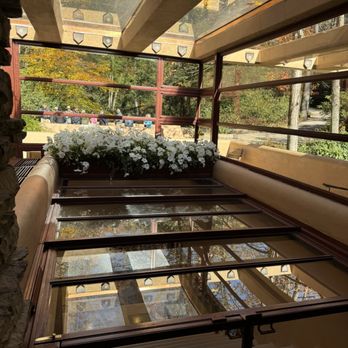
It's hard for me to convey why visiting this landmark was so significant for me. I was a lad of 12 when I saw pictures of this house in a coffee table book about Frank Lloyd Wright in a mall bookstore. I remember because I was so drawn to the aesthetic of the building. It initiated my attraction to open living spaces, mid-century modern design, and organic architecture. All these decades later, I made it, and the sight of the house actually made me tingle. I said tingle, not tinkle. That happened in the surprisingly spacious restroom at the visitor center before the tour. Built in 1935 for Pittsburgh department store magnate Edgar J. Kaufmann and his family as a vacation home, the unprecedented cantilevered construction is a 4 bed / 4 bath that would've been pooh-poohed by the more obnoxious wannabe buyers on "House Hunters". The main house is 9,200 square feet of which 4,400 are outdoor terraces. Outdoors is where Edgar's worldly wife Liliane threw parties for their friends. However, the key draw of the multilevel terraces was the sound and sights of the Bear Run stream underneath. Except for the Kaufmann's impressive art collection, there is nothing ornate about the two-tone house of light ochre and Cherokee red. The innovative design elements speak for themselves like the glass-enclosed staircase down to the stream. Given my longstanding desire to come here, I went for the $89 In-Depth Guided Tour which ran well over ninety minutes and gave us full access to the house interior and the surrounding grounds including the guesthouse and the gardener's cottage (now used as staff offices). Our guide Larry did a fine job sharing the history behind all the architectural details of Wright's idiosyncratic design and uncompromising commitment to organic compatibility. Be aware that the Western Pennsylvania Conservancy started a major $7 million preservation project in 2023 and it's not due to be complete until next year (fingers crossed). The advanced age of the structure had caused leaks, cracks, and corrosion, so repairs are still underway. However, some of the house was still covered with scaffolding with terrace access a bit limited. It didn't bug me though because we're talking about checking off a major bucket list item for me. RELATED - Exploring Pittsburgh? Here's a collection of places I've visited and reviewed: https://yelp.to/qN_tq21lnL


Frank Lloyd Wright was a genius! I was fortunate enough to tour this on a ninth grade field trip; decades later privileged to revisit this architectural marvel. The harmony between nature and home, water actually runs through the home, with a pool, plunge pool, stairs that descend into the stream and of course, falling water. Step back in time to see how the ultra wealthy Kaufmann's spent weekends or holidays outside of Pittsburgh. Original furnishings, appliances and priceless art await you as if you stepped back in time. The in-depth tour was exceptional; Ron C. and all the staff are rightfully passionate about the preservation and sharing of this one of a kind masterpiece!


Currently under massive renovation, scaffolding and tarps covering most of the building. Staff was very informative and happy to chat, but if you visit this winter, know that the exterior will be obscured. Still an impressive view and nice walk around the grounds


What can I say -- Fallingwater is simply extraordinary. Designed by the legendary Frank Lloyd Wright, this architectural gem seems to float effortlessly above the waterfall. Standing there and taking in the view feels almost surreal -- the sound of the rushing water blending with the clean mountain air makes it an experience unlike any other. We've had the chance to visit twice: once in the winter and once in the fall. Both visits were special, but fall completely stole the show. The vibrant reds, oranges, and golds of the leaves surrounding the house added an incredible warmth and charm that perfectly complemented the natural design. The reflections in the stream and the crisp autumn air made it feel like stepping into a living painting. If you're a lover of architecture, nature, or just breathtaking views, Fallingwater is a destination you absolutely can't miss.

Art and architecture in western PA. The steel city heritage can be found in this concrete and steel beauty found in the woods of Ohiopyle. The vision of Frank Lloyd Wright's mixture of natural and man made brings harmony most structures in the modern world lack. The conservancy maintains and promotes this iconic vision. While it's not the most kid-friendly experience, it's a must see for architecture fans and those older families that can appreciate the beauty.


It was my second time here and I definitely recommend going multiple times. Both times I learned something new and saw different things. You could honestly spend a whole day here. They offer multiple different types of tours depending on how in depth you want your experience to be. Just of note, you may not have service here since it is in the woods. Be prepared to be off the grid for a bit and enjoy all that Fallingwater has to offer!


Absolutely LOVED our guided tour here! Have been wanting to visit forever, and decided to stop by this summer. It was an absolutely gorgeous day--no humidity (which was great because the house can be slightly cramped/NO AC so I can imagine on a hot day it would be uncomfortable.) But the architecture is absolutely stunning! Imagining life as it was back when the home was first built was truly a cool experience--it is an absolute time capsule of midcentury modern design as the home was never resold, but given directly to the PA Conservancy by the original owner's son. Stunning and very cool to learn about this home and its history--our guide was very knowledgeable and was able to answer every question!


If Mid Century Modern is your favorite aesthetic, or you love Frank Lloyd Wright, or truly just appreciate stunning architecture- Fallingwater is the most beautiful place to visit. I've been obsessed with this home for as long as I can remember and being able to tour the home and the grounds is a dream come true. Truly worth the day trip to this architectural marvel


First off like already said this is way out in the middle of nowhere so in case you have problems with internet I would suggest make sure you have directions for the way home. Also come early in the day it does get crowded. The falling water house was well worth the $30 guided grounds tour. Our tour guide Rod was so informative on the history of the house and the Kaufman family. The walk was very picturesque with Rhododendrons lining the pathway towards the house. This Frank Lloyd Wright house is set in such a beautiful setting with a waterfall and a river running right under the house.


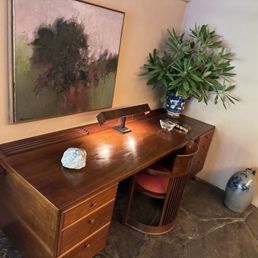
As a Frank Lloyd Wright fan, I was very excited to finally get to Fallingwaters. First off, it's definitely in the middle of nowhere. But as they say. Getting there is part of the adventure. On arrival, I was thoroughly impressed as we drove on to the and entered the registration/ gift shop/ cafe area. It's built to blend in beautifully with the mountain countryside feel of the area. There's a nice walk down to the actual house with a golf cart available to those unable to make the walk. As soon as the house comes in to view, you see the stamp of FLW. Clean lines, large windows, and local stones being used in the structure. The inside, though beautiful (especially the views!), was much smaller than I expected. I guess being a built as a summer camp it made sense. They were there to enjoy the outdoors. I was surprised, though, to see only one piece of FLW furniture, a chair in a bedroom. I felt the tour concentrated more on the owners of the property than on the building and design of this beautiful FLW house. Maybe it was our guide? I did appreciate the ear buds supplied during the tour. There is no need to worry if you weren't right next to the guide. The magic of this whole place is obviously the waterfall! It's so amazing that it runs under the house. Can you imagine sleeping to that soothing sound? Take the walk down the path to get the stunning view of the house from a distance. That's what you're there for! Beautiful! Though not exactly what I expected, it was still worth the drive and visit. FLW architecture is always amazing to. This setting and obviously the waterfall put it over the top. 2024-55


I had an amazing time at Fallingwater. It's a place I've always wanted to go as I have a deep love for art and architecture. Tickets will run you about $45 (or more, depending on what level ticket you get), and this was about a 3 1/2 hour drive for me, but well worth the day trip. Frank Lloyd Wright designed Fallingwater and it truly is as beautiful as the pictures make it seem to be. I went during the fall and it was so nice to see it during this time of year with the cool crisp air and the waterfall and the house just all being a part of nature. I would highly recommend coming and seeing the grounds and it is now a UNESCO World Heritage Site. Make sure that you bring a small bag. My Crossbody in the picture is about as big as you can bring and it needs to be in front of you since some of the areas in the home are pretty tight and they don't want you knocking anything over. You're not allowed to eat or drink anything on the tour, and there are no places to sit, but there is a visitor center where you can get food and drink and use the bathroom before the tour itself as there are no bathrooms that you're allowed to use within the main or guest house. I got some amazing pictures and the view was incredible.


Absolutely loved it here! Not only is Falling Water beautiful on the outside surrounded by the forest and waterfall, but the inside is a perfect complement of that natural beauty. I didn't expect to truly enjoy an hour long tour of the home, but our guide provided us with great historical and architecture facts that kept us interested the whole way through. Also, I didnt realize just how big the home is and all the rooms there are to explore. After the tour, I highly recommend taking the short hike around the grounds to enjoy the scenes. Especially in the fall, the colors were stunning. I'm looking forward to going back during the winter to see the home with a fresh coat of snow on it. read more


3 years ago

Absolutely beautiful home with stunning architecture. Everyone pretty much covered all the pros and cons of the tour before me, and my one complaint is that since you're already paying so much for a ticket, it would be nice to take pictures instead of having to pay a ridiculous amount for a tour option that allows pictures. The grounds are well maintained, and I love that the house has so many old art pieces that the family had collected over the years. Our tour guide was very knowledgeable and nice. Though it's pretty far outside of Pittsburgh, if you have an opportunity to drive up and visit the house, you should definitely add it to your bucket list. I mean, how many times will you get to visit a house that is on top of a waterfall? read more


For those architecture lover out there, Fallingwater is a must visit place if you happened to be within 2-3 hours of this place. Even as a person who does not know much about Architecture like me, I still enjoyed seeing and truly enjoyed walking through one of the most famous/ iconic 20th century buildings that I've seen in many books/postcards in real life. Our tour starts from admiring the beauty of the building from outside..then we got to slowly go inside each home to admire all the details that this building which was once a vacation home has to offer. All the little details like curves or how the window frames were constructed really impressed me....and it's like..all the furniture pieces throughout this home...were intentionally made..and well thought out to match the building, too...it's definitely one of the building that anyone...art lover or not (bonus if you are one!)..should go see! P.S. Don't skimp and do just the walking outside tour by yourself after spending time to drive here. Spend a little bit more and sign up for a 60-90 min tour so you at least get to learn the history and admire the impressive architectural details of this building! And...yes...do plan on booking for the tour ahead of time...they tend to get full and if they do...you won't be able to get into the area! read more


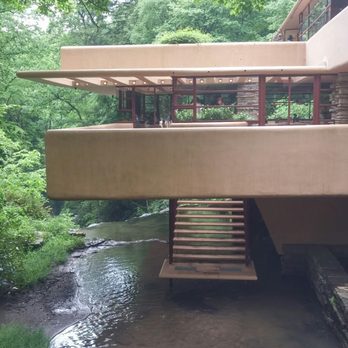


This was a bucket list item for me! I was glad I went. I did not get the typical photo that everyone gets with the waterfalls and that's okay. Everyone takes the same photo. Taliesin West has my heart but this was my favorite second place. If you are an FLW nerd you have to see it! We were allowed to take photos of the first floor. The second floor is bedrooms and the third has a bedroom area and media room. I opted not to go to the third floor and beyond. The guide who was great said there were 100 steps. Suffering from a knee injury I opted out after the second floor. The flagstone steps are a bit treacherous from constant wear so if you have bad balance, vertigo or a hard time with steps these are going to be a challenge. Getting to the house is a fairly easy downhill walk about a quarter mile. It is gravel. I always find walking on gravel to be a little more difficult than other surfaces. There was a shuttle I could request for the way back (what goes down must come up) and that was a godsend. I was leery about the trek back up. It's not steep and there are switchbacks but it's gravel and uphill regardless. It was a terrific experience and I really enjoyed the tour guide! He was great. He gave us enough time to enjoy the different areas, showed us special features but didn't linger too long in one area. He kept it moving. We were provided with ear pieces and radios to hear him along the walk down to the house. The house is beautiful, obviously. It was worth every penny. read more





3 years ago
Wonderful experience. Beautiful grounds to explore, cafe and gift shop were very nice and the staff was professional and friendly. Our tour guide Brett was exceptional! He was very engaging and drew the guest into conversation about what we were seeing and experiencing. read more


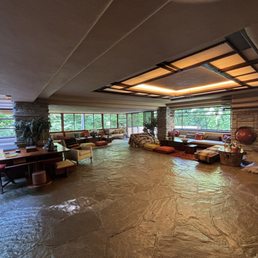
After a family wedding in Boston-Cambridge, my wife and I took a "decompression trip" on our way back home to Asheville, NC. We decided to visit two of the most famous houses of the 20th century, Philip Johnson's Modernist Glass House in New Canaan, Conn., and Frank Lloyd Wright's Fallingwater. (We also ended up visiting Kentuck Knob, Wright's Usonian house a few miles from Fallingwater.) To put this review in context, I should say that we have visited a number of other Wright buildings, including of course the Guggenheim, Taliesin West in Arizona, the Florida Southern University buildings, Wright's studio and home in Oak Park, Ill., plus I have seen a number of Wright houses in Buffalo and elsewhere. I'm not an expert on architecture, but I have read several biographies and other books on Wright. Anyway, rather than trying to critique what is arguably the most famous house of the 20th century, I'm sharing what surprised me about the house, grounds and the tour: * First, and this is totally stupid of me because I've seen dozens of photos of Fallingwater and read much about its construction, on first approaching the house on the tour I was surprised that the house and the decks are of reinforced concrete, painted an earthy tan color. For some reason I had it in my mind that the decks were faced with wooden boards and stone. * I was surprised by the beauty of the natural setting. Again, I shouldn't have been, but the beauty of the cascading falls, the river and the rhododendron and laurel around the house exceeded my expectations. * I was surprised by the popularity of the house. Last year more than 186,000 people toured it, on busy days more than a thousand people come to see it, and fmore than five million have toured since it was acquired by the Western Pennsylvania Conservancy in 1963. The tours are run very smoothly, and the visitor center is nicely designed, but it is still a busy place. * I was pleasantly surprised by how much of the original furnishings remain with the house. The Kaufmann family -- a prosperous Pittsburgh family that operated a famed department store -- that donated the house to the Conservancy also donated all of the furnishings, both those designed by Wright and those selected by the family, down to the silverware and two Diego Rivera paintings. Unfortunately, several Frida Kahlo paintings were sold, I believe by a Kaufmann family member before the donation. * Knowing Wright's penchant for compressed space and low ceilings, I was surprised by the size and amount of public space at Fallingwater. This is especially noticeable on the main level, where the living room and decks are large and could easily handle the parties that the Kaufmanns entertained in the 1940s and 50s at their weekend retreat. The living room fireplace is huge, and unlike at Kentuck Knob where fireplaces had to be used sparingly due to the use of quarried stone that could not stand up to heat, the Fallingwater fireplace interiors have fire brick facings, so the fireplaces were used frequently. * I was surprised that the tour guides accept, and even quietly solicit, tips. At neither Kentucky Knob nor the Glass House did the guides expect tips, and if memory serves that was the case also at the other Wright sites we've visited. In general, although it's done tastefully, there is a bit of commercialization at the site -- from the short film at the end that asks for donations to the Western Pennsylvania Conservancy to an $18 Cuban sandwich in the café. On the other hand, we paid only $30 each for the tour, a better value than the tours at either Kentucky Knob ($25) or $52 for the Glass House. And of course the Conservancy does much good work, including having protected more than 255,000 acres of natural land in Pennsylvania. Our tour guide also was very good, with an informative yet unscripted presentation. * I was a little surprised about the walk back to the visitor center after touring the house. You can either take the long route, of nearly a mile with up to an 8-degree inclines, or a shorter route via a series of terraced steps, some fairly steep. For those with mobility challenges, there is the option of riding back in a vehicle. All in all, however, with more than 100 steps in the house and quite a bit of walking to and from the house, the tour is at least a mild work-out. * Finally, I was surprised that the well-known leaks that have plagued the structure since it was built were not, as I had thought, around glass but rather through the reinforced concrete decks and roofs. Of course, it is well known that Wright had many disagreements with the Kaufmanns and the contractors over the design and engineering of the house. Much work has had to be done to reinforce the sagging decks and to counter the mold problem due to the site over the river. To sum up, it was a privilege to see and tour this master work of organic architecture. read more


7 years ago
Being from Wisconsin like Frank Lloyd Wright, we were practically born and raised to be FLW fans. However, my husband and I totally geeked out once we got to Fallingwater. Unbelievable, beautiful, mind boggling, serene and awesome are just a few adjectives to describe this masterpiece. Besides Fallingwater itself, we were also impressed by the visitor center, museum store, cafe and gallery. Our guide was informative, without being annoying, and they even provided all of us with umbrellas during a fairly lengthy rainstorm. As adults, we knew we were going to be in for a treat, but I must say that our 16 year old and 11 year old were quite impressed as well. 60 minutes was enough time to get a good tour, but short enough to keep the attention span of younger attendees too. Prior to going, I did a little research and discovered that Fallingwater is on Smithsonian Magazine's Life List of 43 Places to see before you die. It was also recently named a World Heritage Site. If you're on the fence, go! You won't regret it. read more


Absolutely beautiful and fascinating place. Spent a couple of hours walking around the house, did a short hike, explored the gardens, woods. Also did a guided tour which cost us $30.00 pp. During COVID times the tour is only of the exterior of the house, cannot go inside. 1 group consists of only 1 party, so you don't mix with other people, minimum in a group is 2. Masks have to be worn all the time on the property. They have picnic tables also which one can use. Outside food is not allowed. Café was open but only for takeout and one can use the tables in the garden then. It was interesting to learn history and facts about the house and the family living there. The guide pointed out many picture spots. Lovely experience overall. Would love to go back in a different season too. read more


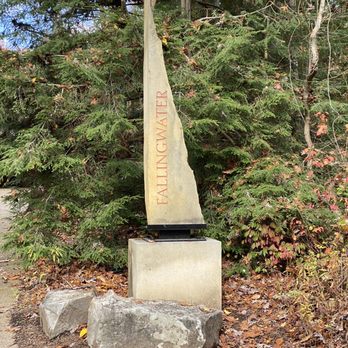


Fallingwater is a must-visit attraction, especially if you are in the area for Ohiopyle State Park, or Pittsburgh. It is worth the trip. The guided tour, which is the only possible way to enter the house, is fantastic. It is such a neat place. They have a really nice gift shop, too! read more


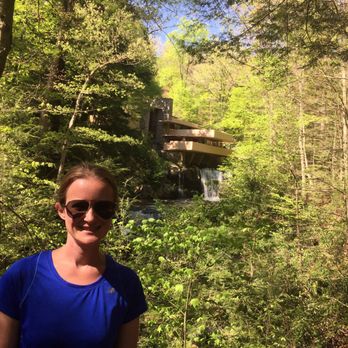


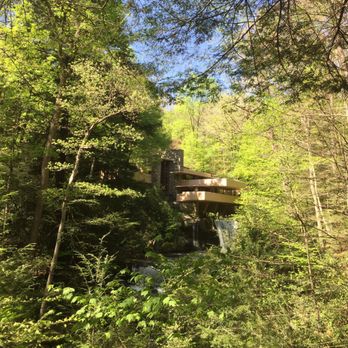


This is a total must visit for any architecture buff or any lover of the sublime work of the legendary Frank Lloyd Wright. After I once visited his other and more subtler architectural gem called Taliesin West in Scottsdale, Arizona, I decided to make it my mission to get out to no-wheres-ville in Pennsylvania to visit this architectural gem. And boy I was not disappointed! I just warn you it is very far out of the way. In fact the closest city, Pittsburgh, is over ninety minutes away so you need to get moving if you are going to make it during the best part of the day, which is smack dab in the afternoon. After knowing this is where I wanted to go, I made sure I did some research online because something told me this wasn't going to be one of those times in which I just park, walk up to admissions, and simply pay to get in. I knew there'd be a wait, but luckily it wasn't too long. If you're going this far you need to do due diligence in order to see if they are all booked up and to see if tickets online are cheaper. Which thankfully they were! I found the online process easy and extremely thorough. All I had to do was sign up for an account and then they gave me a confirmation email. Once I realized they had a deal on the Fallingwater website for cheaper admission prices for both tours of the Fallingwater house and the nearby Kentuck Knob house that Wright also designed, I was sold! In a matter of minutes, I was able to sign up for tours at both houses for 12noon and 3:30pm respectively for a discounted price tag of only 47 dollars total. In fact I got to both places early so when I checked in with admissions I was able to get an earlier tour times to both place which I found very convenient. Once you arrive, you check in at the open air admissions desk which is set up in the center spoke of a wooden pentagonal structure with bathrooms, the cafe, the gift shop, and the walkway to the grounds on various sides. As you wait for your turn I advise everyone to use the facilities because there are none on the actual premises which is like half a mile away. They call your group number and send you and others walking down a long pathway to the house where you will meet your tour guide waiting for you at the bridge entrance. And what a gorgeous view you get as your approach the house. Your guide takes you through all levels of the stunning house describing the architecture and its history. Wright designed the house for the wealthy Kaufmann family of Pittsburgh as a summer house. Instead of placing the house alongside the river as the family requested, Wright thought outside of the box and placed it right on top of the river so it could be in tune with nature. That''s why I love Wright's work, he always thought outside of the box when thinking about his projects. His architecture may not be for everyone, perhaps a little too modern or ornate for everyone's taste that represents that era of architecture. But seeing the house combined with it's breathtaking location is all worth it. I'm so glad I went in October where the leaves were turning bright burnt yellows and oranges. I know it's open during the summer (and even in December) but nothing could beat the feeling of the autumnal atmosphere. I wish I could share pictures of the interior of the house and how our tour group enjoyed taking it all in. But alas, it's not allowed even without flash photography. The guides claimed they wanted to maintain the integrity of the place. I bet they just wanted to sell more books in the gift shop. Speaking of which I felt the gift shop was great featuring a ton of great once in a lifetime souvenirs for all of you tchotchke lovers out there. (For which I am a proud member of!) The bottom line here is that Fallingwater is more for just curious lookie loos wondering what this place is all about because it so far off the beaten path that it's only worth the trip if you are truly committed to being dazzled by one of the most unique pieces of architecture out there. This is one of those unique bucket list experiences that you would have to experience for yourself so you can take it in and soak in the atmosphere of where nature and architecture meet. read more


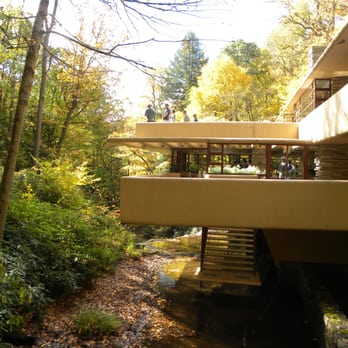


Nature and man. Fallingwater is not just a house but a work of art that takes the intersection of both of these to a new level. And I'm so happy that I can say that I was able to see it for myself, walk its halls, listen to the waterfall, peer down into the water from its balconies. As a fun Memorial Day trip, my boyfriend, his siblings and their significant others and I rented a condo near Fallingwater since it was about halfway between where we all live. My first tip: Reserve your tour tickets in advance. Most of the tours were sold out by the time Memorial Day rolled around. When we arrived we had about 40 minutes to spend in the gift shop before our tour was called. This turned out to be a benefit because this is one awesome gift shop. If you're a Frank Lloyd Wright enthusiast, you'll find everything from FLW mousepads, ties, books, art, bird feeders, T-shirts, jewelry and more. The shop also has a great books section and other fun finds. When our tour number was called, we made our way to the house, which is down a short path from the welcome desk/gazebo. On the bridge leading to this iconic home, we met our tour guide. There's a strict no interior photos policy unless you go on the expensive tour so take a ton of pictures from this bridge as well as the trail that leads to the overlook that faces the house. We began in the living room, marveled over The Hatch (my favorite feature), walked the balconies, took in the hearth and then ventured upstairs to see the bedrooms. While this home is truly priceless, it struck me how small the beds were and how minimal the furnishings were, but from what the guide told us, that is a part of FLW's vision. It was also great to see how he brought nature, like original stone, into the home and how it is cantilevered over the waterfall. There is also an adorable small pool near the guest addition, and when we toured a frog was just chilling on the steps. Our guide called him Frog Lloyd Wright. Love it! The only topics I wish our tour guide had talked more about were the celebs who have walked its halls (Bradjelina! Eep!) and the art. At the end of the tour, you sit down in an air conditioned room -- the only A/C on the tour; the hand fans they lend you on the tour are also priceless! -- to learn more about the conservancy that maintains the home. And the lady who talked to us about the conservancy mentioned how the home contained works by Picasso and Rivera. What the what!?! Our main tour guide never mentioned that. I know that one of the longer tours includes more about the art, but a comment like, "That painting is by Picasso," would have been nice. Fallingwater truly is a bucket list spot. I'm so happy we were able to check this one off! read more
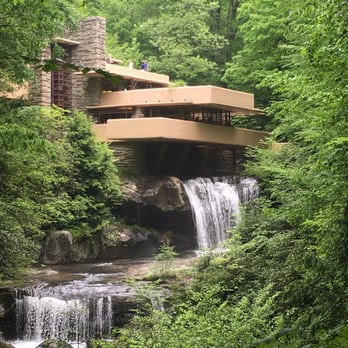

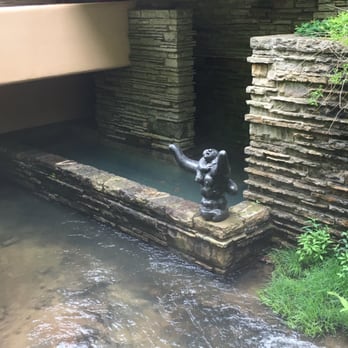


Once upon my architectural dreams I will have made it to all of Frank Lloyd Wright's homes. This by far has been one of my most favorite ones. This is privately owned and the care reflects it. The grounds are soft, quiet, romantic, and they pull you in like a grasp of an old Cary Grant film. When you enter they have a cafe, a shop, the coolest restrooms, and a locker set up that feels more like a coat check. They have tour tiers for your price range and desire of time/rooms you want to see of the home. You are placed in a group of around 10-20 people and then you tour the house. It. Is. Incredible. They have most of the original furniture and the tour guides are cheeky but informative. They are not obnoxious like a Disney fairgrounds but fun and thoughtful. My group was filled with intellectuals and I was lucky enough to be a part of discussions that I was able to learn more than what my professors and personal studies had touched on. It was so exciting that my creative juices were flowing. You even toured the separate home that Frank's son, John lived in and made his own. There is SO MUCH information and beautiful details to this work. It really is an architectural masterpiece. When it is over you walk the grounds back to the entrance and that's when you come upon the classic view of Fallingwater. The sun changes quickly and each setting makes you fall in love more. They do have golfcarts for handicapped so that they are able to see the views but the home is not accessible imo. There are many stairs, tight hallways, and suddenly short underways, although the first floor might be an exception. *The prices for the handicapped are much cheaper.* read more
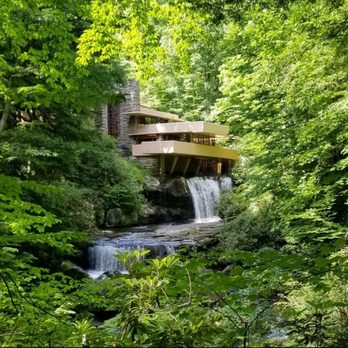


7 years ago
I have always been an amateur Architecture buff. Fallingwater has been on my bucket list of places to visit for the longest time. We finally had the opportunity to go. I cannot explain how wonderful this experience was! The walk down to the house is not too far and is beautiful. The guide that met us was wonderful, Steven, he was so knowledgeable about the house, the architecture, the grounds. We felt as if the tour had been personalized to our interests. We did not feel rushed as we were guided through the house, the guesthouse, and into the garage area. Each person on the tour was given time to look around and ask questions. Once the tour is over, you are finally permitted to take pictures outside of the house. It was truly an awe-inspiring experience. Hints: The process of purchasing your tickets online is easy, have a printed copy of your email reservation or your email handy on your phone when you check in at the gate. Give yourself plenty of time to get to the site from wherever you may be coming from...there doesn't seem to be an easy route and cell service is limited, so have a paper map! Please note the information about children under 6, it states everywhere on the website that they aren't permitted in the house...I saw it clearly even though it didn't apply to us! read more


5 for the concept and the great photos online. 4 for reality, as in seeing it in real life, up close. Such is that of life, isn't it? That being said, if you are in the Pittsburgh area, then I definitely recommend taking a one hour drive and going to see Fallingwater. This is a house that was built on top of a waterfall and it is definitely worth seeing. There are inside the house tours, grounds tours, hiking tours, in-depth tours, twilight tours... it's up to you how much you want to spend. We just got the grounds passes, which at the lowest level is still almost ten bucks per person. It allows you to park and walk around the area and take photos. It was enough for us, and allowed us to get right up to the house. The farther away you are, the more impressive it looks, but as you get closer, you can see that it's definitely an old building and some of the paint is starting to chip. I didn't go inside, but from the outside, I still think it's better to have a house overlooking a waterfall, then to be in the waterfall. Waterfalls are free flowing, and this building is not only disrupting it, but also angular. Perhaps that is the beauty of it and I just can't see it. There are also several vantage points for taking photos, and I'd recommend going as early as possible if you don't want people in your photos. Also, while I was there, I was helping a lovely couple take photos, when all of a sudden the guy went down on one knee and proposed. If you're out there, and you read this, just wanted to give you guys a shout out! This made the trip to Fallingwater all the more memorable! read more


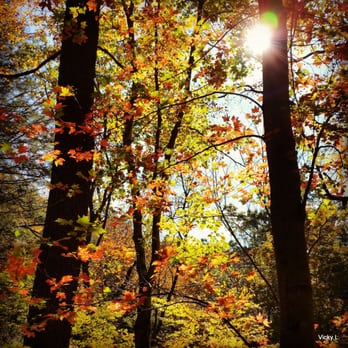
2 years ago

4 years ago
So impressive in person. The tour of the inside of the house is worth every penny, tour guide was really good. Grounds are stunning. read more


4 years ago
2 years ago


8 years ago


3 years ago


6 years ago
Absolutely beautiful place and amazing experience. So happy they opened so we have a few places to visit during COVID. Unfortunately the inside is not open due to COVID. But just walking around this masterpiece of landmark is enough. So happy the staff are being super responsible to keep everyone safe. Will definitely be back again this summer. read more


8 years ago
Fallingwaters is an interesting place to visit! We have wanted to visit for a few years, but distance and time was not on our immediate plans! However, that changed after our 50 anniversary when our oldest daughter and her hubby treated us by bring us to the place and arranging a tour along with breakfast on the way! It takes about three hours driving time alone! Fallingwaters is a unique home in Pennsylvania where it is built on the side of a large hill with a sizeable stream running under part of the home. The home is built where the multi-levels are design for the water flow and multi-decks can oversee the water and be in-tuned with nature! You have to see in person to understand the unique design and cleverness of its conception! The tours vary in cost from about $33.00 per person to personalize $300.00. I suggest the basic $33.00 for your first visit which last about one hour! You are allowed to take pictures only outside but not in the home! You must order your tour tickets in advance see their online web site for all the information! It was raining off-on the day we went! You are not allowed to use your umbrella, but they do furnish them for you! You cannot carry them into the home! We arrive first in a long drive to the parking area! Then a short walk to the visitor center! Their store is loaded with a wide range of items! It is about 1/4 mile to the main home! I suggest using the free shuttle of you cannot walk that far! The home haze over 100 steps! You will get a workout going up/down/up etc. The tour guides are knowledgeable and based on which tour you take as to the degree of details they may provide! The home is not a mansion size as many I have visited, but the unique design is impressive! Many of the rooms were modest in size! The service quarters is in a separate house nearby! We highly recommend you visit Fallingwaters. You will not be disappointed! We enjoy the trip and the tour! We might visit Fallingwaters again if we are with friends or family! read more


6 years ago
Rights most famous work for good reason it's absolutely beautiful and an amazing feat of engineering. Loved the tour thanks. GREAT VACATION! read more


4 years ago


Hubby and I have been to a couple of Wright houses around the Midwest, so I expected to like Fallingwater. But I didn't realize I would fall in love... It is honestly a breathtakingly beautiful home. And the waterfall is really, truly, part of the home in a way that I couldn't envisage from the photos I'd seen. Our tour, at $22.00 each, was well worth the money. Our tour guide was expert and interesting and the the grounds were also well worth seeing. Our visit was the on the first weekend Fallingwater was open for the season. For that reason, I think the crowd was much sparser than usual and our visit also benefited from that. read more


9 years ago

9 years ago
This was my second visit to Fallingwater. I was thrilled to tour the home for the first time in October 2015, and made sure it would be on our itinerary when my husband and I decided to take a two week long road trip to celebrate our 25th wedding anniversary this summer. I woke up before my alarm went off this morning, I was so excited! My husband kept teasing me about the fact that we arrived at 9:00 am for our 10:30 am tour time. We had time to walk down to the viewing area and take a few photos beforehand and I was careful to make sure we returned to the Visitors Center before 10:00 am so we could use the facilities before our tour began. Imagine my dismay when I heard them call our tour group while I was in the ladies room! It was only 10:05 and our tour was scheduled for 10:30! I didn't even finish drying my hands -- rejoining my husband in the waiting area, I asked if our group number had been called and he said he wasn't sure. I asked another man and he said, "Yes, they've already left." We went down the path as quickly as we could, wondering if we'd misheard because we couldn't believe they would start a 10:30 tour a full half hour before the scheduled time at the risk of leaving people behind. We saw no one and even debated at one point if we should go back to the visitors center. Ultimately, because I'd been on the tour before, I told my husband that we could go ahead and wait at the driveway where the tour begins if we'd misheard and were actually ahead of our group, rather than behind it. I became really irritated when we arrived to discover our group already in the middle of the tour. Fortunately, we didn't miss very much of the tour, but I wanted my husband to experience the full tour, not just part of the tour. And I can't help but think about the possibility of people who arrive 20 minutes early, only to discover their tour group left 30 minutes early... it just doesn't seem right, especially when tickets are as expensive as they are. We skipped the little presentation at the end where the conservancy hits visitors up for even more money to preserve the home. I am all for historical preservation, but I think it's in bad taste to ask for even more money after visitors have already purchased expensive tickets to tour the home. It could be handled in a better way. After we returned to the visitors center, I went in the gift shop to purchase a lapel pin for a gift. Because we had another tour scheduled at Kentuck Knob, I asked one of the employees if they had any. She motioned to a basket that had one pin design, so small it was difficult to identify Fallingwater. I said, "This is all you have?" At which point she said, "Yep" and went back to her very important conversation with her co-worker. I decided to shop for my gift elsewhere. I do want to see Fallingwater in all the seasons - but truthfully, I've a bad taste in my mouth after today. Especially when comparing my experience there with the absolutely delightful experience we had touring Kentuck Knob later in the afternoon. Word of warning: Arrive at Fallingwater no less than 45 minutes before your tour, and make sure you are waiting in place no less than 30 minutes before your tour. They do not stick to the schedule and they will leave you behind without a thought. I attempted to tell someone what happened to us and was handed the manager's card with the comment, "All I can do is give you her card. That's all I can do." read more


9 years ago
If you are a fan of exquisite architecture, Fallingwater is a must-see. The integration of the natural landscape with the structure, "bringing the outside in," is absolutely mind-blowing. A friend of mine who is a designer phrased it this way, "Your life will never be the same. Now you'll see variations on this in modern design but 'a poor/commendable/successful/whatever ripoff of Fallingwater'". She's absolutely right. Thank you to Susan, our wonderful guide for the in-depth architectural tour. read more


This historical house is a perfect shining example of true forward thinking design. The most important thing for you to know, critical, is to visit this home. Build for the Kaufmann family, and donated to become a national treasure by the son, this house has never changed hands, still has tons of the original furniture and fixings designed by Frank Lloyd Wright, and has a wealth of background evident thru the mother's journal and close contact with the Pennsylvania Preservation Society. There's not nearly enough typing space to write about the house. I'll just say, we went on an In-Depth House Tour ($80/person), and it was well worth the money. Our guide, Don, did a wonderful job talking in context of the Kaufmann family, and what was going on in society at the time this house was built in the 1930s. Those little tidbits, all strung together, built an image of the surrounding times. A few things of note: The In-Depth tour is offered every day of the week, two time slots per day, either 8:30 am or 8:45 am. None a given in the afternoon. The museum's gallery currently chronicles Wright's life and times, talking about his homes in Wisconsin, Illinois and his "testing grounds" in Arizona. The pictures and architectural drawings are priceless. Our trip to Fallingwater could not have been more perfect: Gorgeous sunny blue skies, rolling hills covered with lush green foliage (thank you rain gods for this beautiful season), and a truly magnificent walk back in time! Highly recommend this to any historical, cultural and architect buff out there. read more


I was thrilled when I got tickets for the IN DEPTH tour as a gift. Mind you I came in the beginning of March so it was pretty cold. Falling water is an architectural landmark. I am in awe of Wright's vision to integrate nature into the home. Once you step foot into the building and hear the sounds of the waterfalls or take a look out of one of the many cantilevered terraces you can envision the idea that Wright had in mind and understand why he was such a genius and a visionary in his day. Now I did the in-depth tour and was able to go in a smaller group of 8 people. We visited the main house and the guest house and was able to get a deeper understanding to the relationship of the house with the idea of nature that Wright wanted to preserve in his design. Our guide was phenomenal. She was very patient in answering any questions we had and was very knowledgable on the house, the art work, guests that had frequented there, dates in relation to Wright's other works, and why certain things were designed the way they were. My trip to Pittsburgh was to specifically see this. It is about a 1.5 hour drive. It isn't bad but it is in a very remote area so if you're planning a trip you may want to either pack a lunch or enjoy the cafe on the grounds. I do believe that with the in-depth tour you can have access to the grounds after the tour. The public bathrooms are located in the open air pavilion. It also houses the cafe and gift shop. The bathrooms were spotless! While I was waiting for the tour to start in the pavilion I got a sense that I was in a treehouse. It was so open and bright! I won't give any more details away of the house! But definitely I must come back during all the seasons to see the house as it was meant to be with its surroundings! My only regret is that I had wished I had paired it with another one of his houses like the Kentuck Knob but I since we got the earliest morning in-depth tour I would say that we were done around lunch time and were a little tired. read more


5 years ago
3 years ago
More info about Fallingwater
Fallingwater Reviews in Other Languages
Ask the Community - Fallingwater
Hi, my boyfriend and I are architects from the UK looking to go see Fallingwater. Is anyone traveling from Pittsburgh to Fallingwater this weekend and interested in carpooling? We are flexible regarding time. Cheers, Hannah and Otis
Sorry - not planning to head out any time soon. But you should make sure you book your tour early.
I have 3 kids, and one is 4 years old. We will not be able to do any tours as we will arrive after the children's tour that day. Is it worth going just to visit the grounds?
The grounds access is only $10 per person as opposed to $33. As someone else said, the kids may not be all that into the tour of the house. I also think kids under a certain age (6 I think) aren't even allowed on the house tour and under 9 aren't…
Review Highlights - Fallingwater

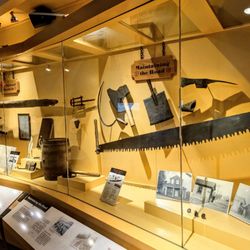


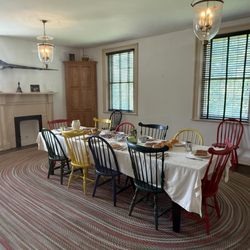













Why does Yelp recommend reviews?
12 reviews that are not currently recommended
The reviews below are not factored into the business's overall star rating.

13 years ago

9 years ago

9 years ago

11 years ago
11 years ago

15 years ago


17 years ago

12 years ago


13 years ago


