Eyam Photos


Recommended Reviews - Eyam
Start your review...



18 years ago
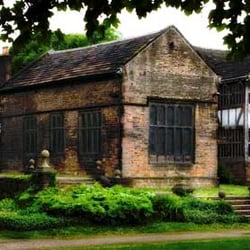
Again I guess I review a village. I just love to explore and I am weird in that I lecture on public health, plague, cemetaries etc..I try to make it funny and it often is with me doing it argh. The of course is probably the most famous village of the Black Death. Very good TV drama's have been done about it. Potted history. August 1665 bubonic plague arrived at the house of the village tailor George Vicars, via a parcel of cloth from London. The cloth was damp and was hung out in front of the fire to dry, thus releasing the plague infested fleas. George was the first victim. Rector William Mompesson and others sealed off the village and there is a stone where food and water was left for the villagers. Disinfected coin (vinegar) was left in payment. Whole families were wiped out. The Riley graves, for instance holds the bodies of the husband and six children of farmer Elizabeth Hancock. All died within a week of each other. The Plague in Eyam raged for 14 months and claimed the lives of at least 260 villagers. They sacrificed themselves to stop the spread of the plague. I find visiting this place quite sad. Wander the village and see the remains and markers that inform. Then there is an exhibition centre and a tea room. Visit the church too for info and booklets after all it was the vicar who played a major part in it. Only one victim is buried in the churchyard - the rector's wife. One pub too with a decent pint. An interesting, if a little depressing, couple of hours can be spent in Eyam. read more

18 years ago

18 years ago

18 years ago
18 years ago