
Deutsche Kinemathek Photos


Recommended Reviews - Deutsche Kinemathek
Start your review...




16 years ago
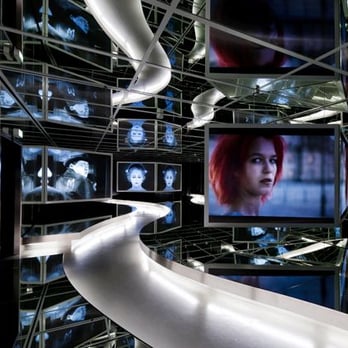
I'm a super film geek, so naturally, I loved visiting the Film Museum at Potsdamer Platz! It's not a huge space, but will give you an overview of the monster classics you need to know about: The Cabinet of Dr Caligari, Meropolis, and The Blue Angel, to name a few. The layout is compact and efficient, with a funky elevator. I spent most of my time in the library on the fifth floor, which allows daily admission for 1 Euro, or a six-month membership for 15. read more


9 years ago

14 years ago

17 years ago

15 years ago

18 years ago


15 years ago

15 years ago
Page 1 of 2
More info about Deutsche Kinemathek
Potsdamer Str. 2
10785 Berlin
Germany
Tiergarten
Directions
030 3009030
Call Now
Visit Website
http://www.deutsche-kinemathek.de/
Hours
Other Amenities
From the Business
Deutsche Kinemathek Reviews in Other Languages
Review Highlights - Deutsche Kinemathek
















Why does Yelp recommend reviews?
3 reviews that are not currently recommended
The reviews below are not factored into the business's overall star rating.

15 years ago

15 years ago

15 years ago
Deutsche Kinemathek - museums - Updated July 2026
Browse Brands
Browse Articles
People who viewed Deutsche Kinemathek also viewed

FHXB Friedrichshain-Kreuzberg Museum
12 reviews
Kreuzberg

Museum für Kommunikation
43 reviews
Mitte

Berlinische Galerie
42 reviews
Kreuzberg

Neue Nationalgalerie
65 reviews
Tiergarten

Forum Willy Brandt
6 reviews
Mitte

Gedenkstätte Deutscher Widerstand
21 reviews
Tiergarten

Medizinhistorisches Museum der Charité
35 reviews
Mitte

Museum Berggruen
19 reviews
Charlottenburg

Museum Neukölln
4 reviews
Britz, Neukölln

Museum Barberini
13 reviews