Château d'Amboise Photos

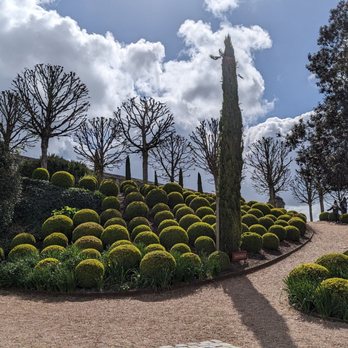


Recommended Reviews - Château d'Amboise
Start your review...


Reviews With Photos


Gorgeous castle..but one of the smaller ones and walking through was quite quick. Each room in the castle was taken over by kids on school field trips so you really can't spend much intimate time reading and learning about each room. Much of the Jardin was blocked off so we couldn't walk the gardens, and Da Vinci's tomb was also under construction and not able to be seen. Jardin was underwhelming.


Amazing and gorgeous place. A must see with a tour guide. Bring your cameras and get to the top. The views are amazing especially right by the river.


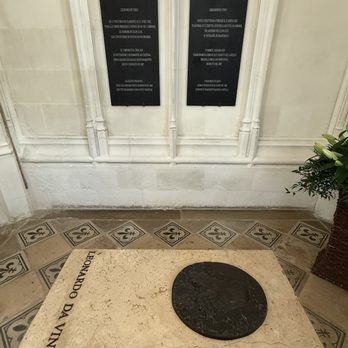
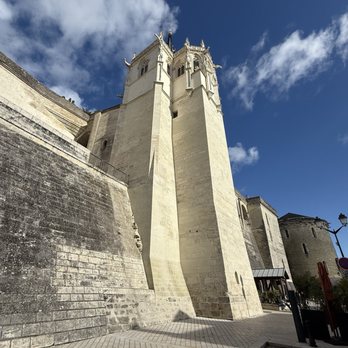
One of our favorite châteaus to visit - Château d'Amboise is a royal castle in the Loire Valley in Amboise, France. Built on a rocky outcrop overlooking the Loire River, it transitioned from a medieval fortress into a Renaissance palace and was a favored royal residence in the 15th and 16th centuries. The château is known for its Gothic and early Renaissance architecture and its association with notable historical figures. The history is incredible, and worth a tour with a tour guide or the self guided audio guide. One of the nicest surprises of the château, it's the Final resting place of Leonardo da Vinci: Da Vinci is buried in the Chapel of Saint-Hubert, located on the château grounds. I have visited three times and never get tired of seeing it! read more




1 year ago
A beautiful chateau atop the hill overlooking the Loire river and city of Amboise. Loved learning the history and getting to visit Da Vinci's final resting place. read more


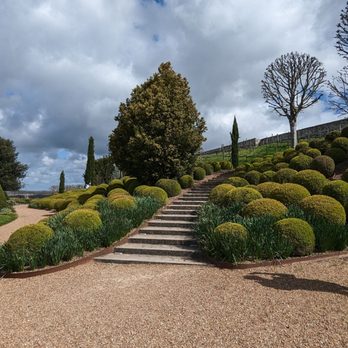
Gorgeous castle..but one of the smaller ones and walking through was quite quick. Each room in the castle was taken over by kids on school field trips so you really can't spend much intimate time reading and learning about each room. Much of the Jardin was blocked off so we couldn't walk the gardens, and Da Vinci's tomb was also under construction and not able to be seen. Jardin was underwhelming. read more




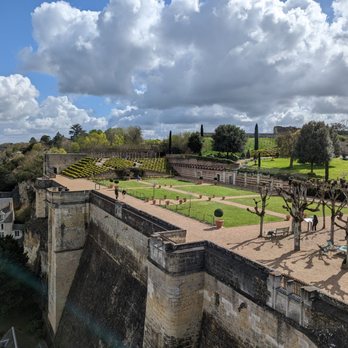


9 years ago
Amazing and gorgeous place. A must see with a tour guide. Bring your cameras and get to the top. The views are amazing especially right by the river. read more


7 years ago
Such a beautiful place in a lovely city! Definitely a must-see when you are in the area! Had the perfect time to be at the rooftop around sunset. Breathtaking view. read more


13 years ago

18 years ago

18 years ago
7 years ago

12 years ago

11 years ago
13 years ago
Page 1 of 2
More info about Château d'Amboise
37403 Amboise
France
Directions
02 47 57 00 98
Call Now
Visit Website
http://www.chateau-amboise.com
Hours
Other Amenities
From the Business
Château d'Amboise Reviews in Other Languages
Review Highlights - Château d'Amboise







Why does Yelp recommend reviews?
1 review that is not currently recommended
The reviews below are not factored into the business's overall star rating.

16 years ago





