Brinegar Cabin Photos


More like Brinegar Cabin
Recommended Reviews - Brinegar Cabin
Start your review...



2 months ago
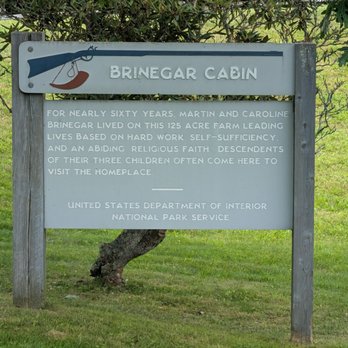
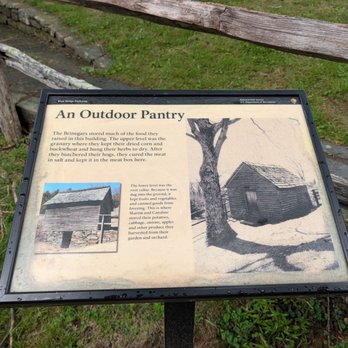
Brinegar Cabin is located on the Blue Ridge Parkway in Doughton Park. I originally expected just a quick photo stop, but I was in for a wonderful treat and got a fascinating glimpse into early Appalachian life. The cabin has its own dedicated parking lot, and then you need to walk down a path to reach the structure, which is steep and uneven in some places. Martin Brinegar originally purchased the land in 1876 for $200 and married Caroline two years later. It took him about five years to clear the rocky hillside and build this hand-hewn white pine log homestead, hand-shaving cedar shakes for the roof, stacking two fieldstone chimneys, and building a drystone retaining wall. The couple went on to successfully raise three children on the 125-acre mountain farm, where they grew rye, oats, sorghum, buckwheat, and corn. They also managed a large apple orchard of 25 to 30 trees, while their free-roaming livestock and poultry foraged in the woods. The family was incredibly resourceful. Martin was a local cobbler who set up a shoemaking bench inside the cabin to custom-make shoes for neighbors, charging roughly one dollar per pair depending on the size of the customer's foot. Caroline was a master weaver who grew her own flax and kept sheep for wool, spinning and dyeing her own yarn with native mountain roots, bark, and flowers. To earn extra money, Caroline and the children spent weeks foraging the wilderness mountainsides to collect wild native roots and medicinal herbs. They dried and sold roots like bloodroot, mayapple, and black snakeroot to traveling drug merchants who came from Boone and Jefferson, NC. During my visit, a National Park Service ranger was inside the cabin actively demonstrating the craft on Caroline's original historic loom, which was wonderful to see! Caroline fiercely maintained the farm alone for ten years after Martin passed away in 1925. In 1935, when the federal government started buying mountain land to build the Blue Ridge Parkway, the state purchased the homestead from Caroline and donated it to the National Park Service [nps.gov]. The springhouse, log structures, and root cellars were beautifully restored during the Great Depression by workers from the Works Progress Administration (WPA) to ensure it would stand as an authentic outdoor museum. Finding these hidden artistic and historical gems tucked away on the Parkway makes the whole road trip special & memorable! read more