Built initially in the early 14th century, Templo Mayor aka the "Main Temple" sits in the middle of…read morewhat was originally the geographic and religious center of the capital city of Tenōchtitlan, when it was still an island city in the middle of Lake Texcoco.
As a sacred site for the Mexica peoples, the structures erected here were dedicated to two deities--Huitzilopochtli, god of war, and Tlaloc, god of rain and agriculture. A shrine was built for each at the top of the temple on the main pyramid. From archaeological analysis, the temple was rebuilt six times, with the largest expansion under Mocteczuma I in 1454, though in 1521 the majority of the building was destroyed by Spanish colonizers when the whole city was razed and rebuilt following Spanish occupation. Notably the Metropolitan Cathedral which stands today adjacent to this site was one of the buildings which were built over it.
By the 19th century the exact location and history of this sacred precinct had been lost but toward the end of the 1800s part of the temple corner was uncovered. However there wasn't an official organized effort to excavate and preserve the site until 1978-82. In 1987 the site became listed as an UNESCO world heritage site and a museum was built to house its artifacts and findings.
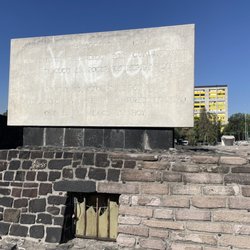
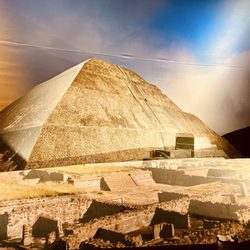
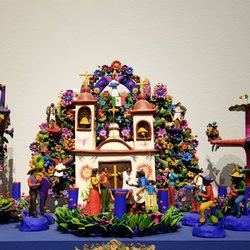
When I was there in January I didn't go into the museum though walked around the edges--they've done an excellent job framing it with walkways along the west side, so it's somewhat of a public park. There are a few small scale models of what the precinct would've looked like in different eras, and a dedicated viewing platform. With entry to the museum you get closer access into the site with some walkways within the site itself.
The entrance to the museum is free for Mexican citizens and 95 pesos for foreigners. Three floors with eight main exhibition halls focused on the deities, rituals (including human sacrifice), the role of the temple in economics and trade of the time, and flora and fauna of past Mesoamerica. In excavations more than 7000 objects were found and work continues on the site today.